Is Convenience Culture Dying?
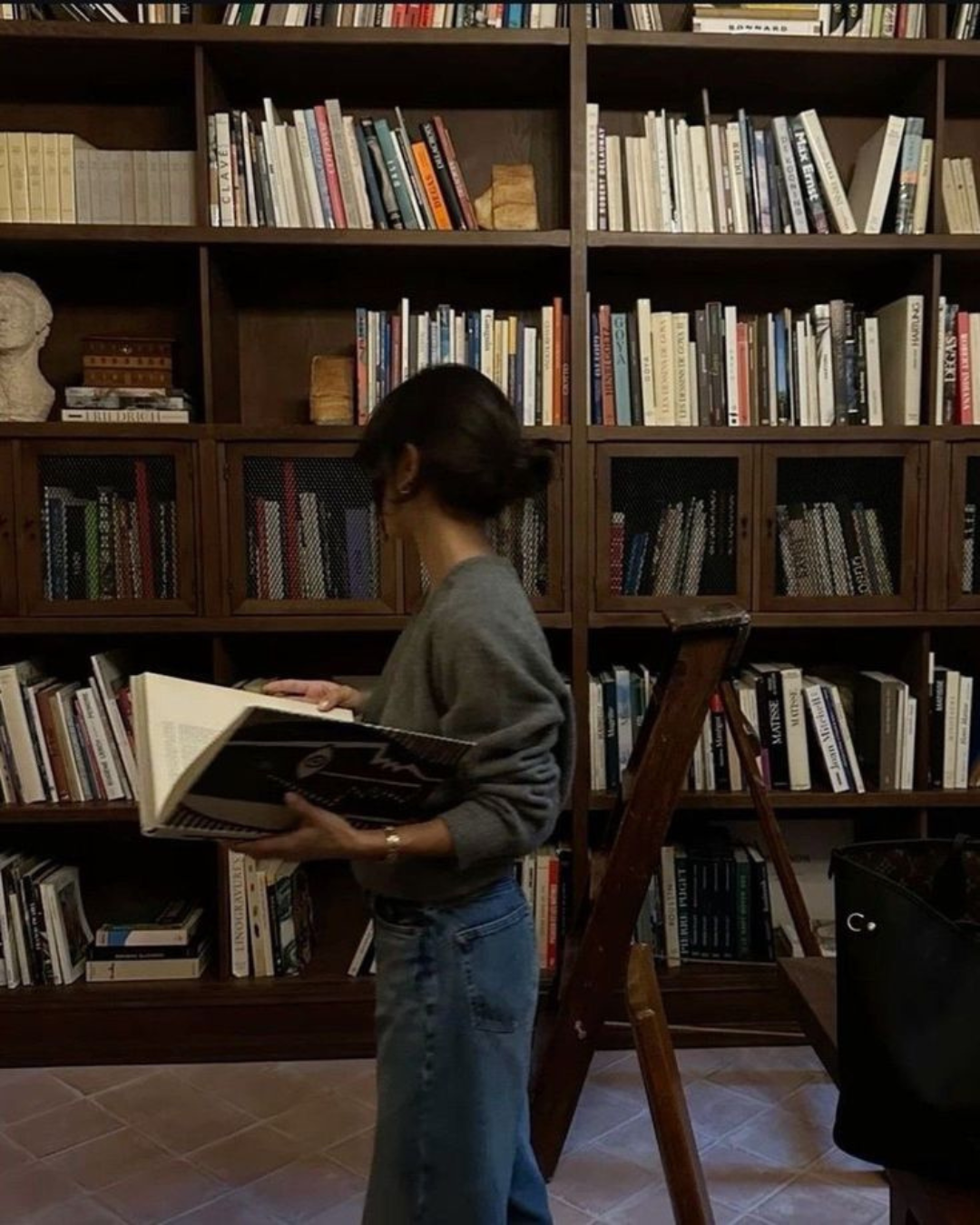
After years of making everything faster, easier and more effortless, are we beginning to crave the things that take a little longer?
For the better part of the last decade, convenience has been sold to us as the ultimate form of luxury.
Why queue when you can order? Why cook when dinner can arrive at your door? Why spend an afternoon wandering around the shops when you can have almost anything delivered tomorrow? Even our downtime has been optimised: playlists curated for us, restaurants recommended by algorithms, holidays planned in a handful of taps.
The promise was simple: save time, remove friction, make life easier.
And for a while, it felt revolutionary.
But somewhere along the way, convenience stopped feeling like a luxury and started feeling like the default. We became accustomed to instant gratification, same-day delivery (hello, amazon) and having almost anything we want available immediately.
Now, something seems to be shifting.
There is a growing appeal in doing things the slower way. Cooking rather than ordering. Walking rather than taking a car. Going to a bookshop rather than buying a book online. Spending an afternoon at a market with nowhere else to be. Taking the time to make coffee properly. Hand whisking your matcha. Writing something down by hand.
None of these things are particularly efficient. And perhaps that is exactly the point.
The problem with making everything easy
Convenience is wonderful, until we realise how much of our lives we've designed around avoiding inconvenience.
A five-minute wait can feel irritating. A journey without headphones can feel strangely empty…maybe even a bit awkward. Cooking dinner can become a chore simply because ordering it is easier.
The more friction we remove, the less tolerant we can become of it.
And there is something slightly paradoxical about it. Technology was supposed to give us more free time, yet many of us seem busier than ever. The minutes we save are quickly filled with something else: another email, another scroll, another notification, another task.
Perhaps the problem isn't convenience itself. Perhaps it's the belief that every moment needs to be made more efficient.
The pleasure of doing things slowly
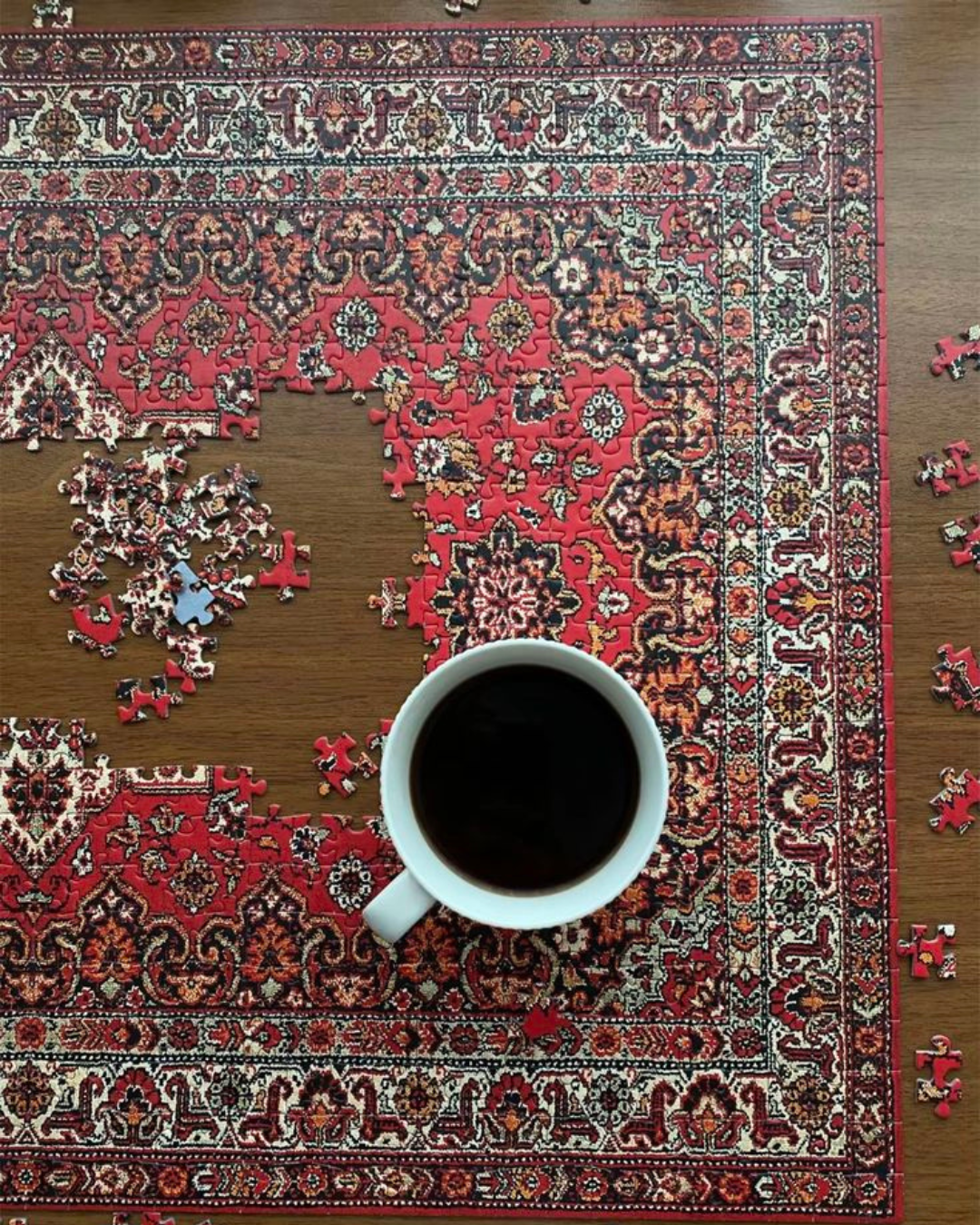
There is a reason rituals have started to feel so appealing.
Making dinner from scratch takes longer than opening an app. But there is something satisfying about chopping vegetables, setting the table and sitting down to eat without a delivery notification interrupting the evening.
A trip to the local bakery requires leaving the house. A handwritten card requires finding a pen. A walk requires putting your phone away and simply going somewhere.
These are tiny acts, but they give shape to a day.
They create anticipation. They give us something to look forward to. Most importantly, they make us participants in our own lives rather than simply consumers of them.
Maybe that is why the slow-life aesthetic has become so appealing. It isn't necessarily about rejecting modern life or pretending we all have hours to spare. It is about being more selective about what deserves our time.
Convenience comes at a cost
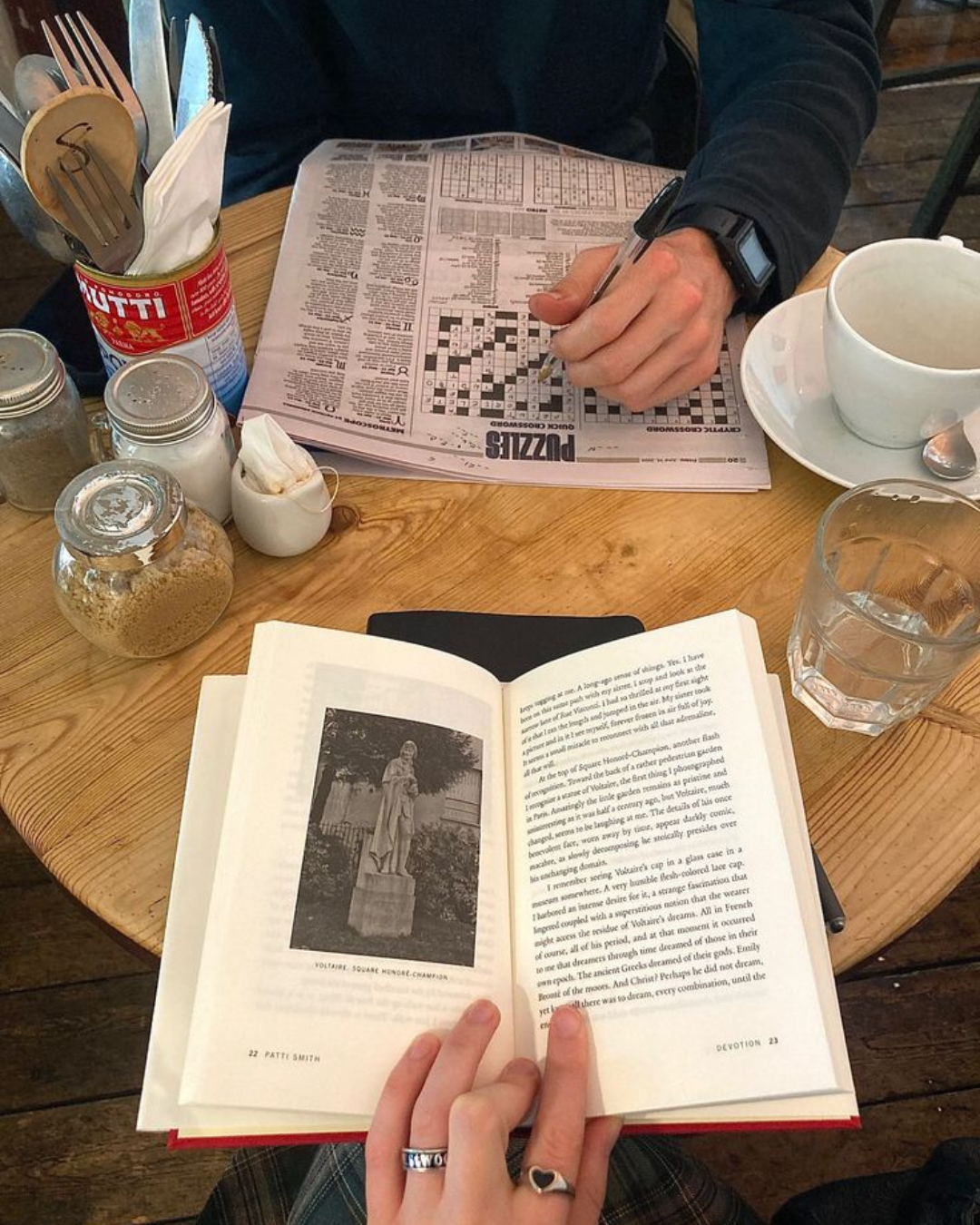
There is also a more practical reason for reconsidering our obsession with convenience: it isn't always cheap.
Delivery fees, subscriptions, service charges and convenience premiums can quietly add up. Paying a little extra to save yourself an hour might feel insignificant once. Repeating it every day is another story.
As people become more conscious about where their money goes, convenience is increasingly being weighed against value.
Is it really worth paying more to have something arrive immediately?
Sometimes, absolutely.
Other times, perhaps we'd rather spend that money on the experience itself. Sitting in a café, browsing a shop, travelling somewhere or buying something made by a person rather than selected by an algorithm.
And then came AI
The conversation becomes even more interesting when we consider artificial intelligence.
AI is rapidly making it possible to outsource more of our everyday lives. It can write our emails, organise our plans, suggest what to watch, help us shop and answer questions before we've even finished asking them.
The technology is undeniably useful.
But it raises an interesting question: if everything can be done for us, what do we still want to do ourselves?
Perhaps the future won't be about rejecting technology. It will be about becoming more deliberate with it.
Let AI handle the boring things. Let technology save us time where it genuinely matters. But perhaps we don't need to optimise every experience.
Some things are valuable precisely because they take time.
A slower kind of luxury
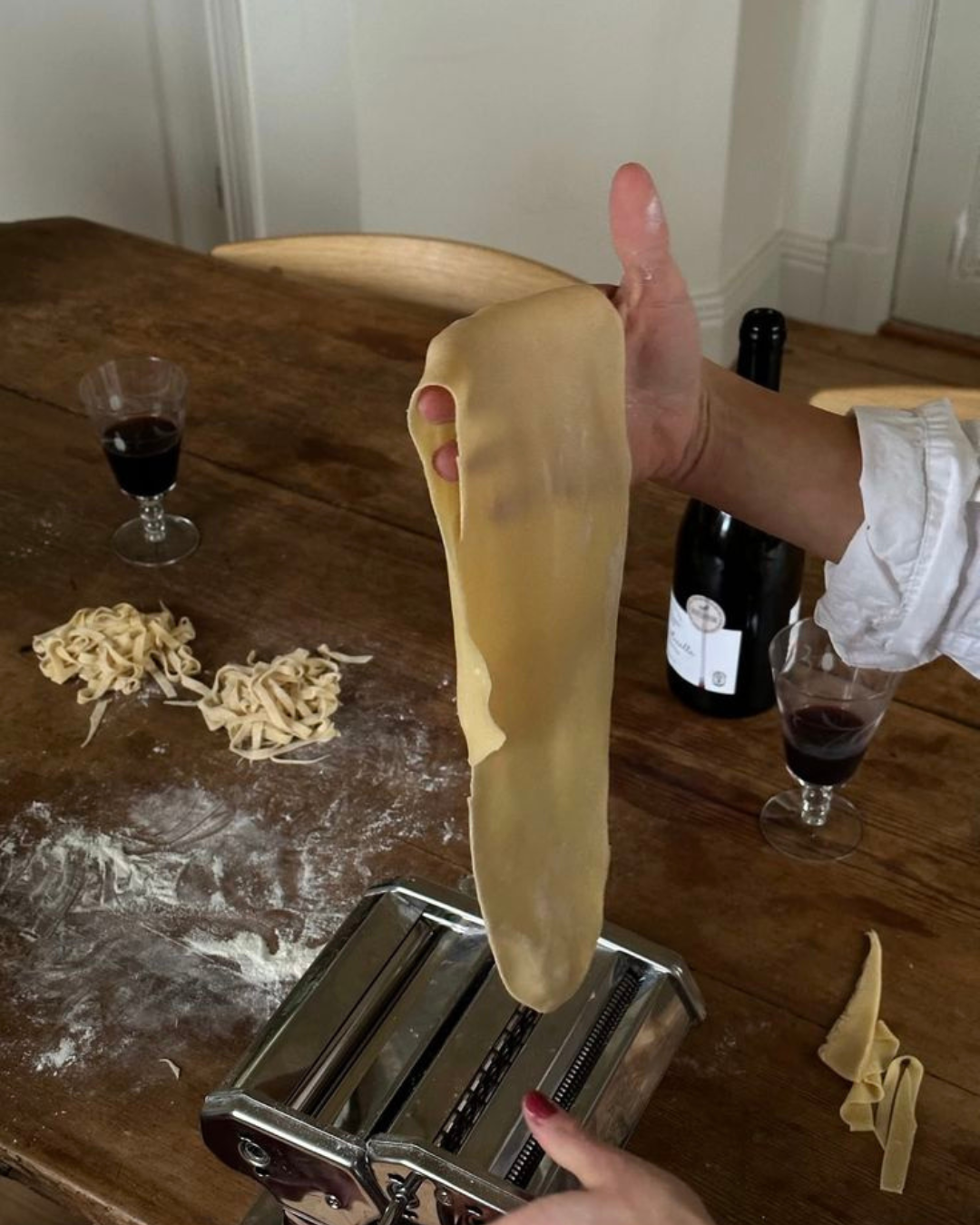
For years, luxury meant having things immediately. The fastest car. The latest delivery. The newest technology. Access to whatever you wanted, whenever you wanted it.
Perhaps the definition is changing.
Now, luxury might be having nowhere to rush to.
It might be an afternoon without notifications. A long lunch. Fresh flowers from the market. Cooking for friends. Reading an entire Sunday newspaper. Taking the scenic route simply because you can.
These aren't necessarily expensive things. In fact, many are completely free.
What they offer is something convenience cannot always provide: attention.
And maybe that's what we're beginning to value most.
Convenience isn't going anywhere. We'll still order groceries at midnight and happily pay for the occasional dinner to arrive at our door.
But perhaps we're finally becoming a little more discerning about what we choose to make easy.
Because a life with less inconvenience isn't necessarily a life with more meaning. Sometimes, the things that take a little longer are the things we remember.