Finding Purpose in Community
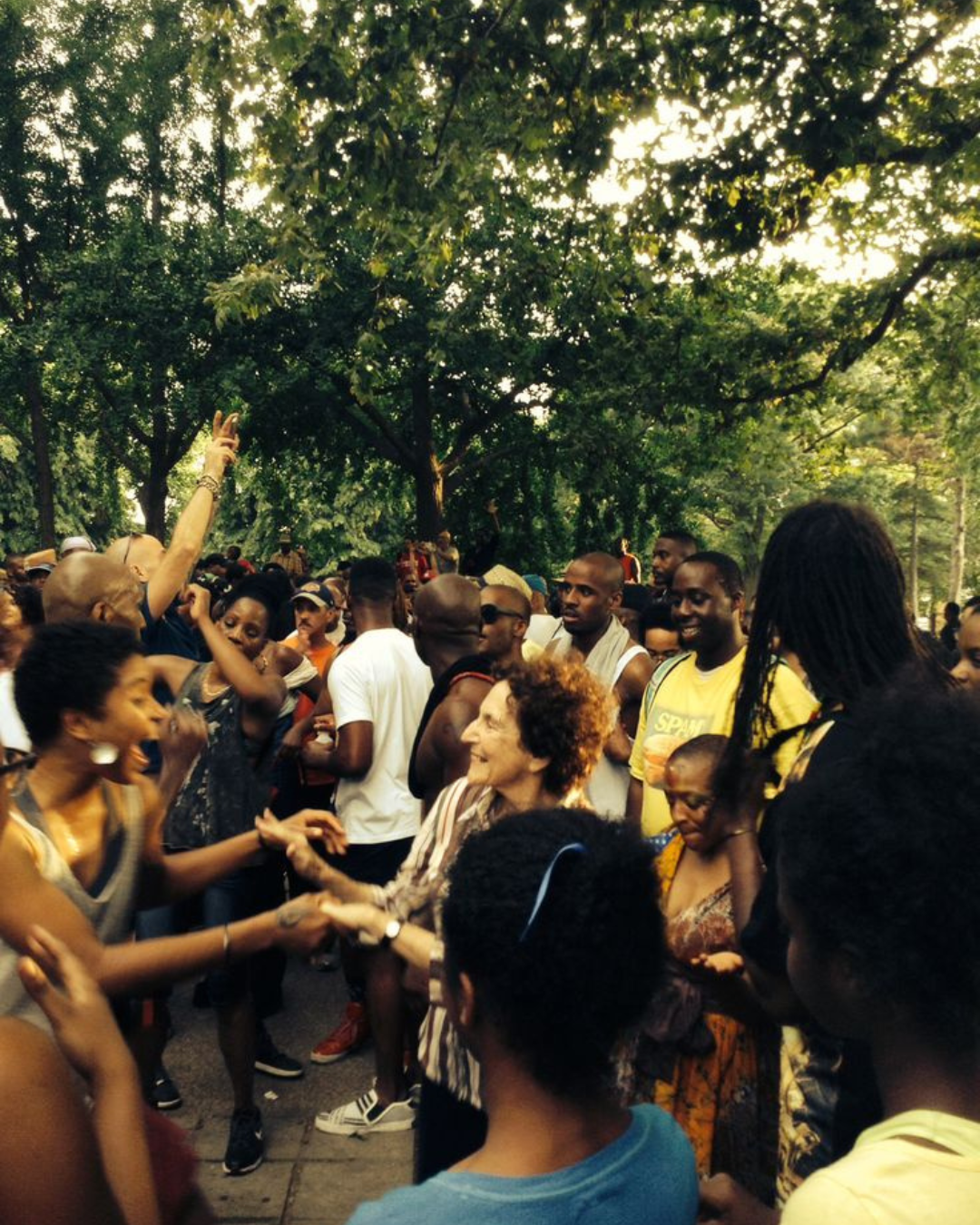
Modern life often presents itself to us in the throes of contradiction. While we are lucky to have access to many forms of communication, many of us still feel dissatisfied with the online presence through which we communicate, leaving us to crave real community outside of the screens.
Though it's not only technology that has contributed to our desire for community, it's also the after-effects of the pandemic and the rates of inflation that have made spontaneous nights out, hobbies and regular socialising much more difficult. At the same time, many people are working longer hours, moving away from home, changing careers, travelling and trying to establish themselves as people. Yet despite all of these setbacks, our need for other people hasn't disappeared. If anything, we realise now more than ever just how important community is.
Our human need for community
Community is a part of what makes life feel meaningful. Think about times spent with family or friends, sitting around a table and just chatting until it gets dark or a time when you've had an insightful conversation with a stranger. These moments are what make us feel alive.
As humans, we are social creatures. Throughout history, people have relied on one another for safety, support, companionship and a sense of belonging. We have always lived alongside other people, shared experiences, passed down traditions and formed groups around the things that can be shared in mutual enjoyment. When we are children, community is already built in, whether that be at school, clubs we join, sports teams or extracurricular activities. Our lives as children are full of opportunities to repeatedly encounter the same people and gradually form relationships with them.
It can be quite a drastic change when entering adulthood, particularly in your 20s, when everyone begins going in different directions. People move cities, travel, start families, change careers or simply become busier trying to figure out what they want in life. Friendship becomes something you have to work for, meaning checking in often, making frequent plans and crafting a communication method that works mutually. Adulthood forces us to become independent, but that doesn't mean we don't need anyone. We will always need people; we just have to make a conscious effort.
The social media paradox
It's so easy to get sucked into hours of scrolling. Our reliance on and easy accessibility of our phones gives us endless access to entertainment, information, conversation and stimulation. After a long, tiresome day, opening social media can feel like an effortless way to switch off and get a quick hit of dopamine. But there is a difference between being entertained by people and actually being with people. On social media, we watch people live their lives. We see holidays, dinners, weddings, nights out and spontaneous adventures. We get to keep up with what they're doing and can discover communities based on things that may not exist within our immediate surroundings.
This is where we get sucked into a false sense of community and connection. Watching someone else's social life isn't the same as having your own. There is an interesting contradiction happening online, where the same platforms that can encourage comparison, isolation and endless scrolling are also where people are increasingly talking about their desire to get back into the real world.
People are discussing their desires to go somewhere alone without feeling awkward, they are looking for hobbies to partake in and groups to join, such as book clubs, running groups, pottery classes, walking clubs, supper clubs and creative workshops. No one is sick of people, but rather sick of how difficult it has become to naturally encounter people you connect with. Social media may have helped to expose the problem whilst also revealing the demand for its solution.
Losing friends and making new ones
Most of us will experience a loss of friendship at some point during adulthood. It's usually a gradual process of not seeing each other as often, getting caught up in commitments and moving further away both physically and emotionally. This doesn't mean that the friendship didn't mean anything, sometimes people are meant for different chapters of our lives.
As adults, we have to be the ones to place ourselves in situations where we can make friends and find those who we believe we could connect with. We have to start the conversation, reach out to past acquaintances, and say yes to more invitations. It can feel awkward and uncomfortable, but this is how we build our community and a social foundation for our futures. It's likely through our efforts that we will find great people who make us feel fulfilled and liberated.
The rise of in-person communities
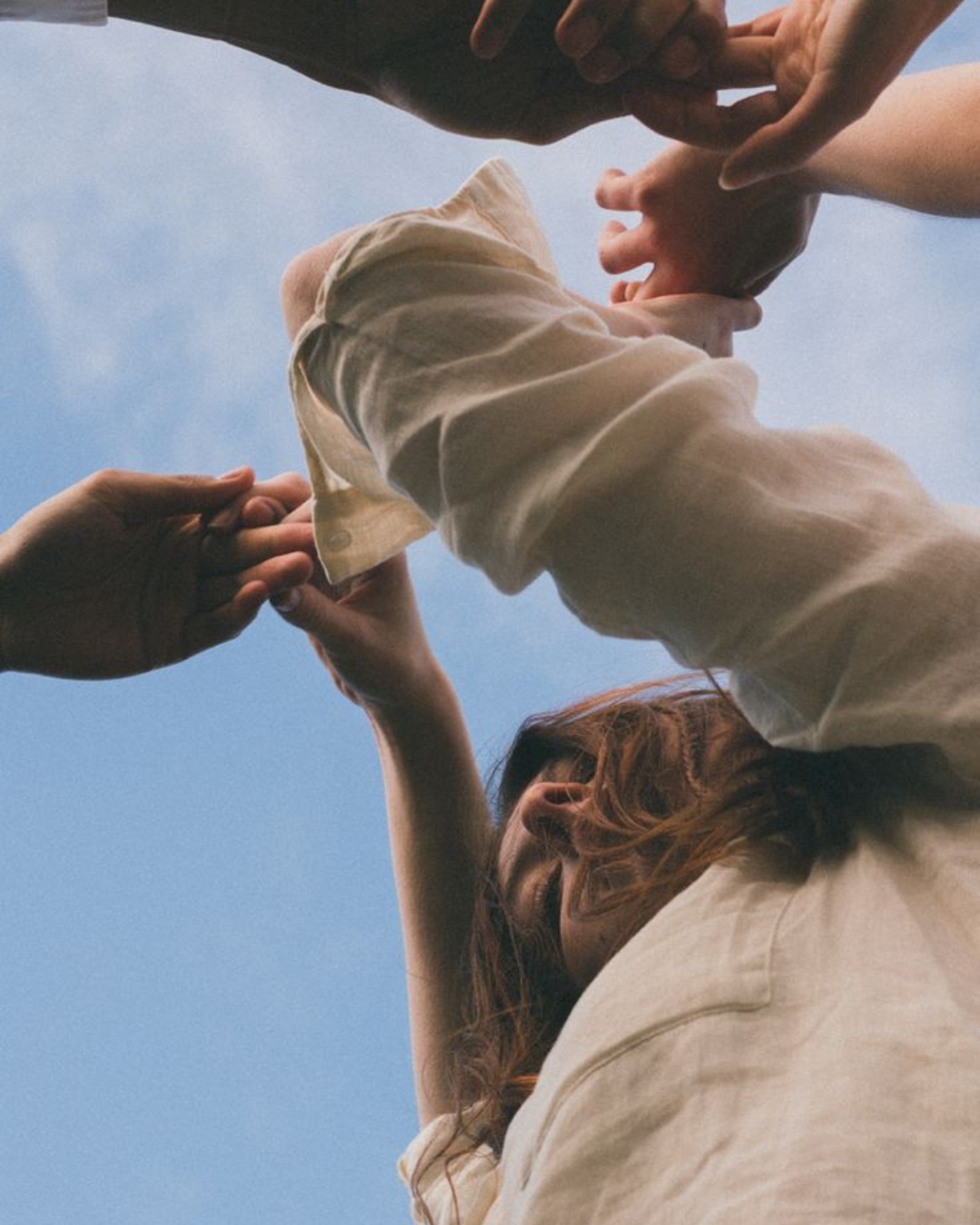
One of the more hopeful aspects of our current moment is that people seem to be recognising this need and going about fulfilling it. Online conversations about third spaces have increasingly grown in interest, as well as conversations surrounding adult friendship, social clubs, hobby groups and finding ways to meet new people without the pressure of having to date or network. This is also where side quests come into play. The idea of going somewhere alone, trying something new, picking up a hobby or deliberately putting yourself into an unfamiliar environment has become almost a cultural antidote to routine.
These side quests become a lived experience and, therefore, a story to tell. You will feel new emotions, meet new people and perhaps discover something new about yourself. It takes you outside of your mundane life and reminds you what more there is to life. We often think about wellness in terms of what we eat, how much we exercise, and how well we sleep, but wellness is also about whether we feel connected to the world around us. A healthy lifestyle is one that helps us feel like we are actually living.
How to find your community
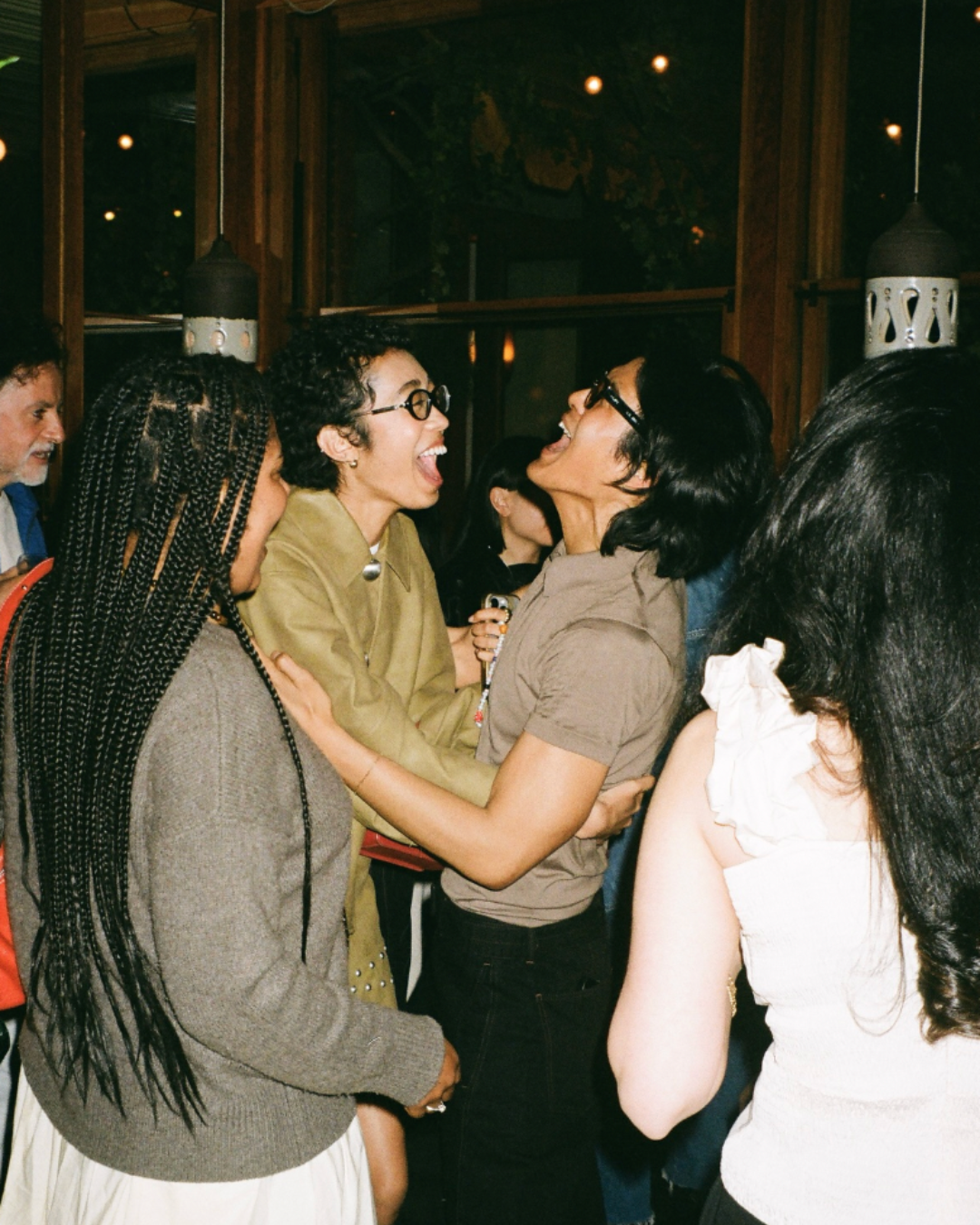
Finding your people can feel like the hardest part. Though it's important to remember that many of us struggle with finding people who we truly connect with. The challenge is creating opportunities for those connections to happen. So, start with what genuinely interests you. Try a dance class, join a book club, do some volunteering, attend local events or try something you have always wanted to learn. And, most importantly, go there more than once.
Remember that community takes time, it requires familiarity and for others to begin to recognise your face and the way you behave. Always persist with the mindset of creating opportunities for the community. Invite people for a walk, host a monthly dinner party, organise a Sunday morning coffee or ask people if they want to join you in trying something new. People are longing for connection, most of the time, the first step is simply asking.
Community is wellness
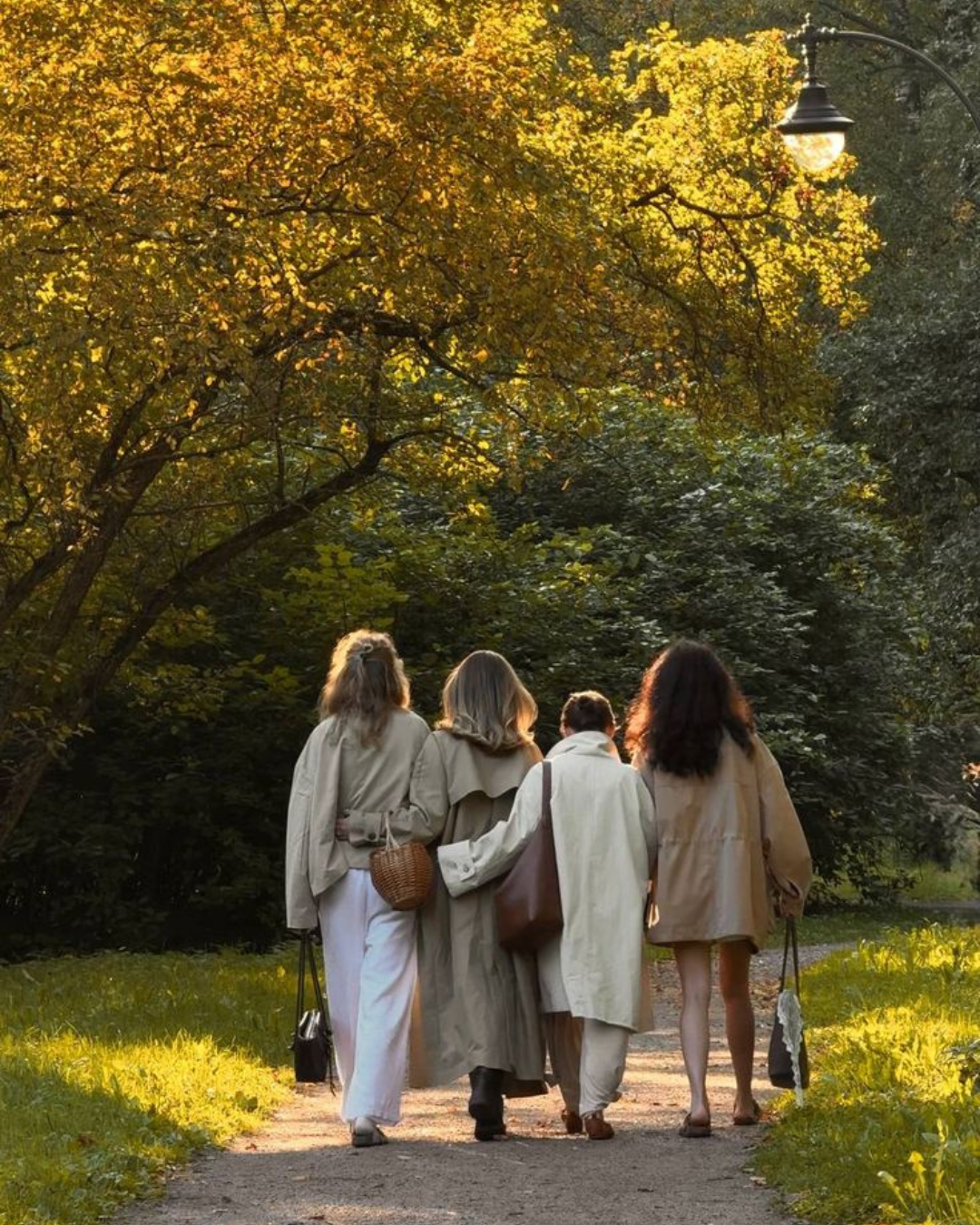
Perhaps we need to broaden our perspective on wellness. It's not only about optimisation, or being the healthiest version of yourself. Sometimes it's laughing with someone until your stomach hurts, having someone to call when you've had a rough day, having dinner with friends without phones, or having a moment of serendipity with a stranger. These can often be some of the most meaningful parts of our lives.
A good community gives us the freedom to exist in our authenticity, without performance and without fear. These feelings of connection help us to realise that it's the act of helping others that gives life purpose.