The Return of Being Unreachable
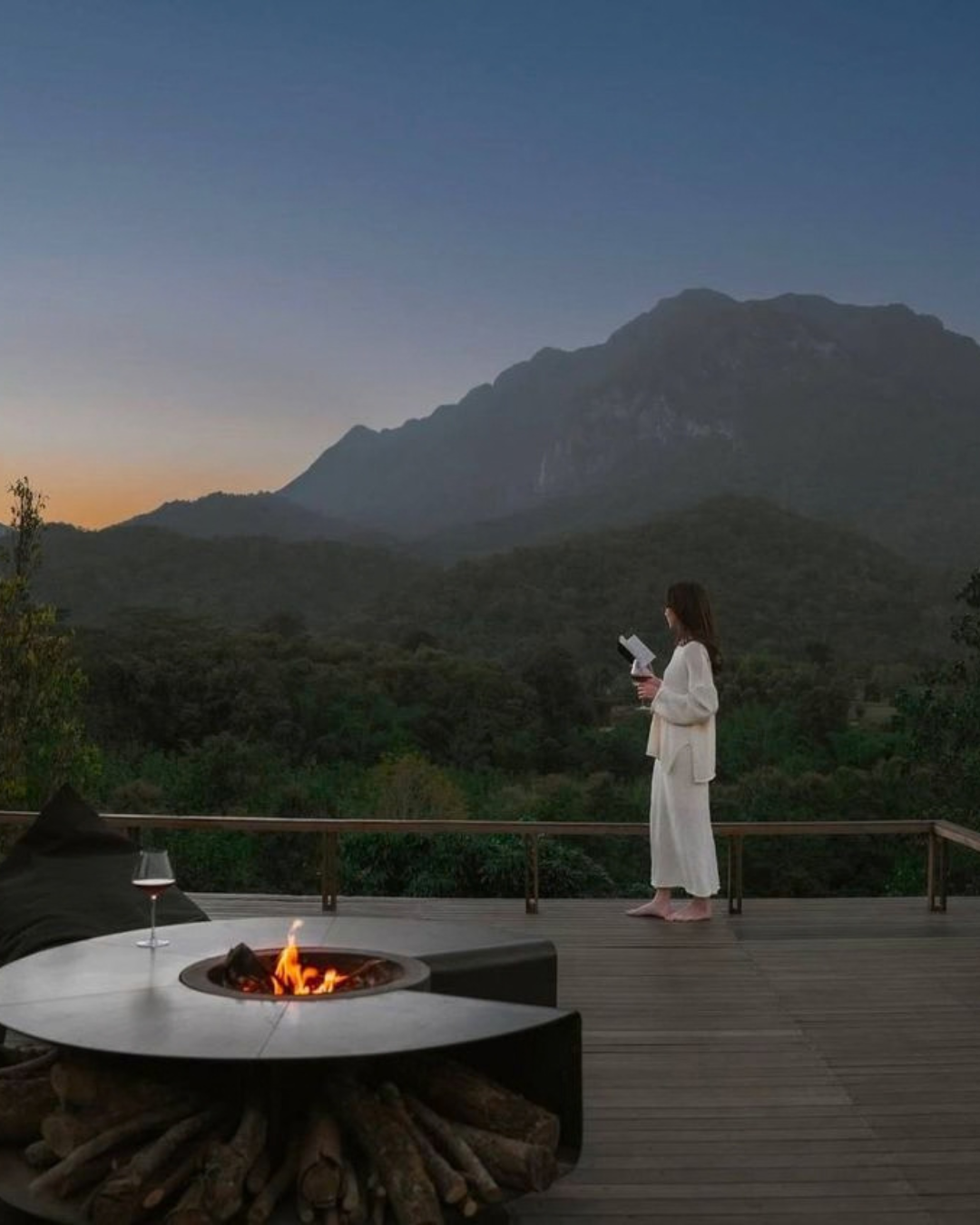
Being unreachable used to be normal. Now it feels almost luxurious.
There was a time when leaving the house without your phone didn't require an announcement. Nobody knew where you were for three hours, and nobody particularly needed to. If someone called and you missed it, they called again. If a friend texted, you replied when you got home.
There was no blue tick quietly asking, Well?
Now, we carry the world around in our pockets. Messages arrive before we've had our coffee. Emails follow us into bed. A notification can interrupt dinner, a walk, a conversation, a thought. We have become so accustomed to being available that disappearing for an afternoon can feel faintly irresponsible.
But maybe being unavailable is exactly what we need.
Not forever. Not dramatically. Just occasionally.
Leave your phone on the kitchen counter. Go for a walk without knowing how far you've gone. Sit in a café and don't photograph the table. Read a book without stopping to look something up. Let someone wonder where you are.
There is something quietly glamorous about having a life that isn't constantly documented.
We're living through an era in which almost everything can become content. The dinner becomes a photograph. The holiday becomes a carousel. The outfit becomes a post. Even the quiet morning has started to come with its own visual language: coffee, linen, sunlight, book strategically placed.
And somewhere along the way, we began to confuse experiencing a moment with proving that we experienced it.
Being unreachable offers another option.
You can have a beautiful afternoon and keep it entirely to yourself.
You can discover a restaurant and tell nobody. You can hear a song and not Shazam it. You can spend an hour walking around a neighbourhood with nowhere to be and no evidence that you were there.
These things sound insignificant, but perhaps that's the point.
We have become very good at filling every empty space. The second there is silence, we reach for our phones. The second we're bored, we scroll. The second we're alone, we connect.
But boredom has its own kind of magic.
It gives your mind somewhere to wander. It makes you notice things. It lets a thought arrive without an algorithm placing it in front of you first.
And perhaps the greatest luxury of all is not having to be perceived.
Not every outfit needs to be seen. Not every holiday needs to be posted. Not every good thing needs to be shared immediately.
Some things are better when they remain yours.
There is a particular freedom in knowing that nobody knows what you're doing. No one is waiting for a reply. No one is checking your location. There is no little green dot suggesting that you are online and therefore available.
You are simply somewhere, doing something, completely uninterrupted.
Of course, technology isn't the enemy. Being connected can be wonderful. It lets us maintain friendships across continents, find people we've lost, order dinner when we're too tired to cook and send a photograph to someone we love.
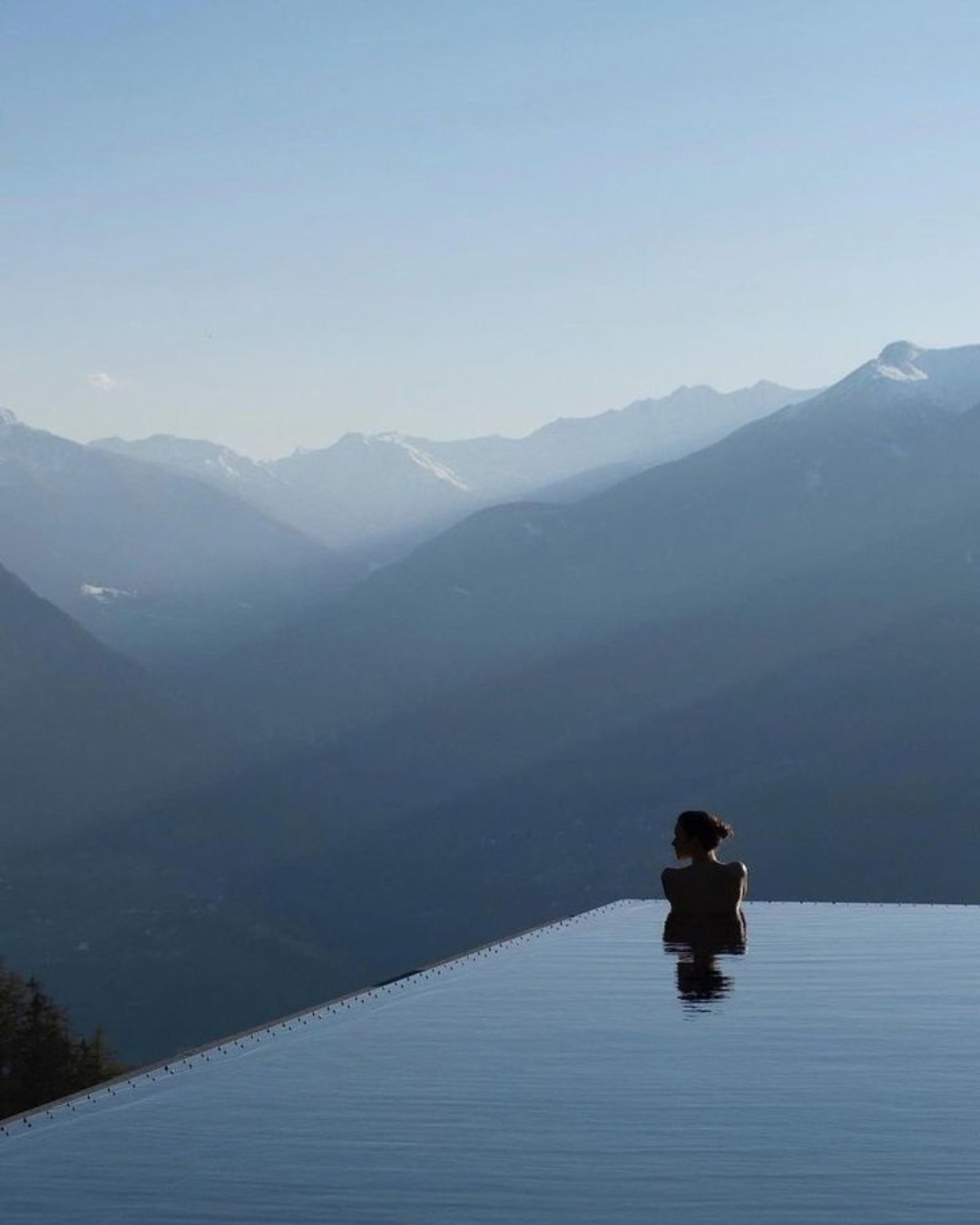
The problem is not connection.
It's the assumption that we must always be connected.
Maybe we need to bring back the art of disappearing.
Not as a rejection of modern life, but as a reminder that our lives don't have to happen in public. That there can still be corners of our day that belong exclusively to us.
A walk with no photos.
A Sunday with no notifications.
A dinner where the phone stays in the bag.
A message answered tomorrow.
Nothing dramatic. Nothing particularly productive.
Just a little time in which the world can't reach you and you don't need to reach it either.
Because perhaps the new luxury isn't having access to everything.
It's having the freedom to switch it all off.