The Future of Wellbeing with Flik Swan
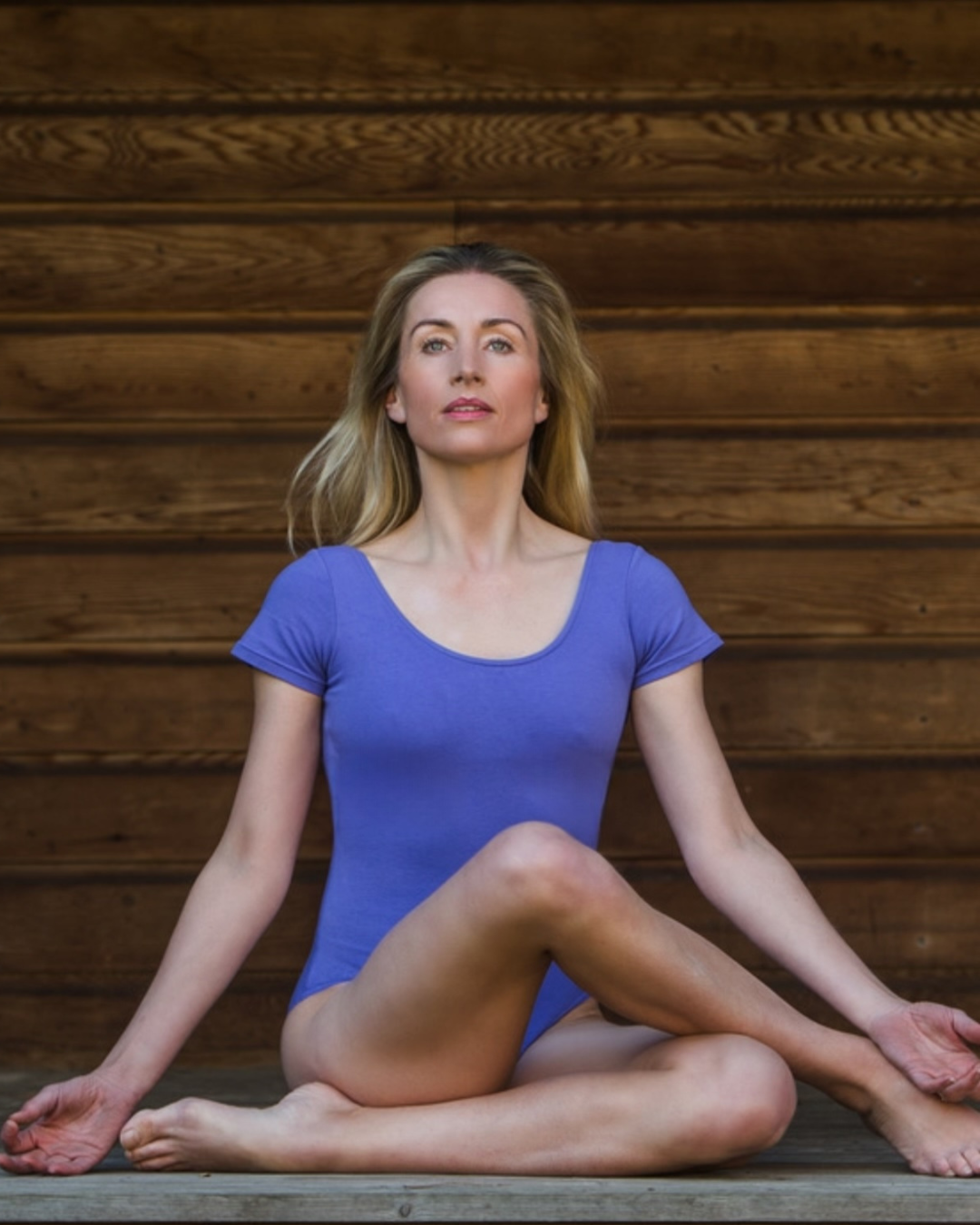
Instagram @flikswan
With more than 25 years of experience in movement, Flik Swan is a functional nutrition and lifestyle medicine practitioner dedicated to helping women navigate perimenopause, optimise longevity and build healthier, more resilient lives. Combining evidence-informed guidance with a holistic approach to wellbeing, she champions sustainable habits over quick fixes.
In this conversation, Flik shares her insights on healthy ageing, movement and what it truly means to live well.
Your work brings together functional nutrition, lifestyle medicine, and movement. What first inspired you to take this holistic approach to health?
Movement has been integral to my life since I was two years old, running around on my tiptoes chasing imaginary fairies and picking imaginary strawberries! That was unknowingly the beginning of my dance training and it became clear very quickly that this was something I would pursue professionally, attending full time professional training at 11 years old. So movement has never been in question for me. It underpins everything I am, how I feel, how I think, how I approach life with discipline, artistry, and joy.
But as my dance career evolved and I moved into building my fitness business in my early thirties, I began to realise that movement alone wasn't enough. My 'dancer diet' had been poorly constructed at best. Sleep was something that simply happened (or didn't) around my performance schedule. I felt fine, but I didn't feel amazing, internally or externally.
I began going deeper, into meditation, into nutrition and through a fitness client of mine, I discovered the emerging world of functional medicine. As women around me started seeking my guidance outside of workouts alone, I recognised that I could offer something far more meaningful than movement alone. This was a full-body, full-life framework. That passionate realisation is what led me to train as a Functional Nutrition and Lifestyle Medicine Practitioner, and it changed everything.
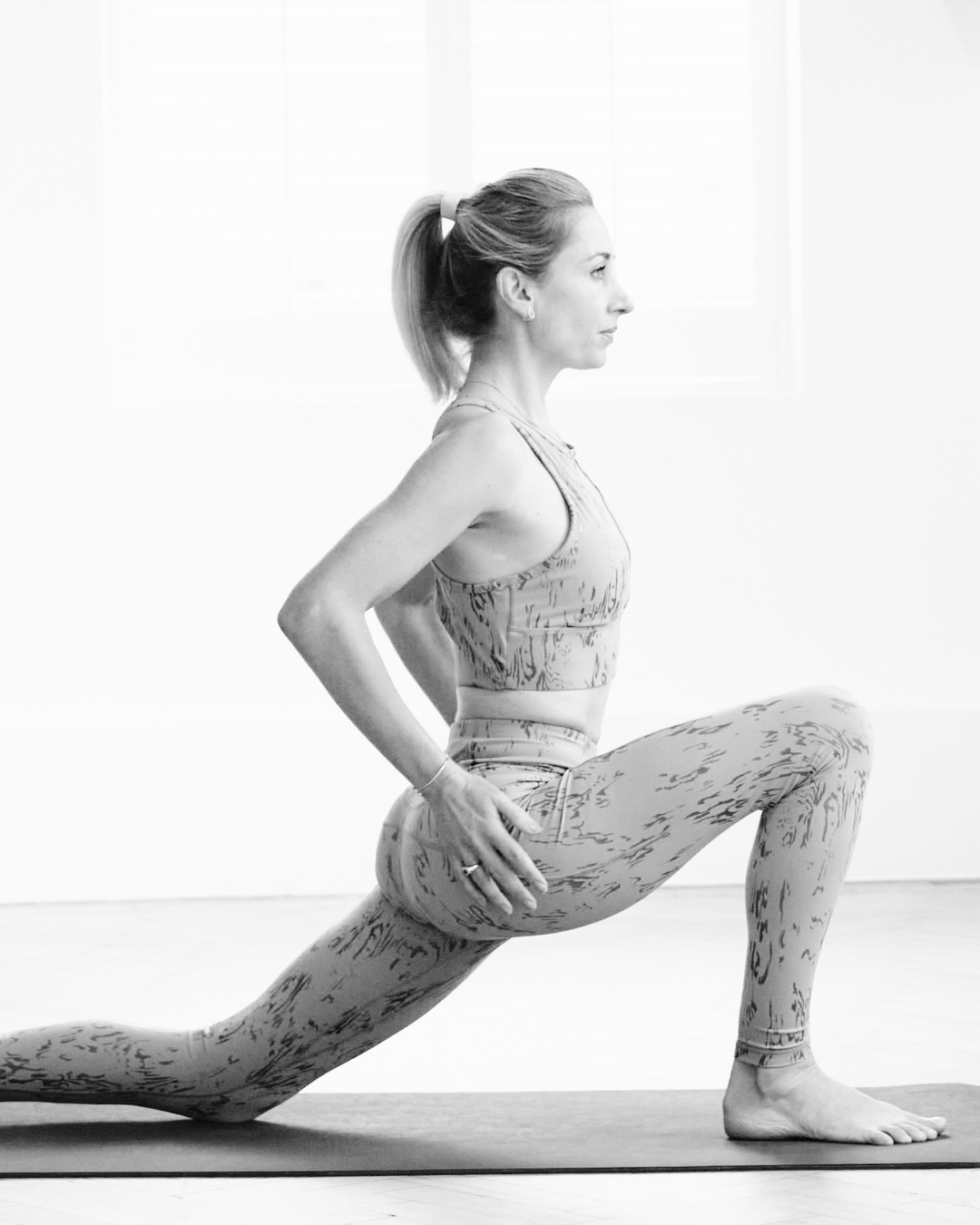
Instagram @flikswan
There's more conversation around perimenopause than ever before, yet many women still feel unprepared. What do you think is the biggest misconception about this stage of life?
What concerns me most is what the overwhelm of information is doing to women. I feel there are broadly three groups of us. The first have all but given up because the noise is so loud and so contradictory that they just don't know what to do. The second have gone all in, doing everything, tracking everything, supplementing everything with a level of over-vigilance that can be equally if not even more damaging in the long run. Then there's a smaller group in the middle, making informed choices without the stress of overthinking. That's where I help women land.
The biggest misconception that will not go away is that perimenopause and menopause are an inevitable sentence. That from our forties onwards, we are destined to walk around in a fog, gain weight, and watch our bodies change beyond recognition. That's simply not true. There is an enormous amount within our own agency, through nutrition, movement, sleep, stress management, and lifestyle medicine, as well as the option of hormone therapy that can meaningfully reduce symptoms and support us to live full, healthy, vital lives well into our later decades. We know more about the female body and our hormones than we ever have and we can be smart and use that wisely, with the right guidance.
Longevity has become a major wellness trend. Beyond living longer, what does living well mean to you?
Yes longevity has become something of a buzzword, as has the term health span which I find more compelling as it's not simply how long we live, but how well we live for the duration of our life. Those are very different approaches. I feel fortunate to have parents who not only approach life with genuine vitality but who are open to the guidance I share with them because I have access to information they simply didn't have at their age.
When I look at them, I think: if I can be even happier and healthier in my seventies, eighties, nineties and beyond with the lifestyle habits I've implemented. I want to be laughing with my own children and hopefully my grandchildren, remaining self-sufficient, curious, open to new habits, new relationships and new adventures, that is what longevity means to me. So I'm not hung up on a number but I am aiming for a certain quality of life.
And everything I do now, how I eat, how I move, how I sleep, how I manage stress, is what keeps that real for me. Whatever comes along to challenge it, I want to meet with calm resilience. The body is always communicating and learning to listen to it, rather than overriding it, is the most important longevity practice of all.
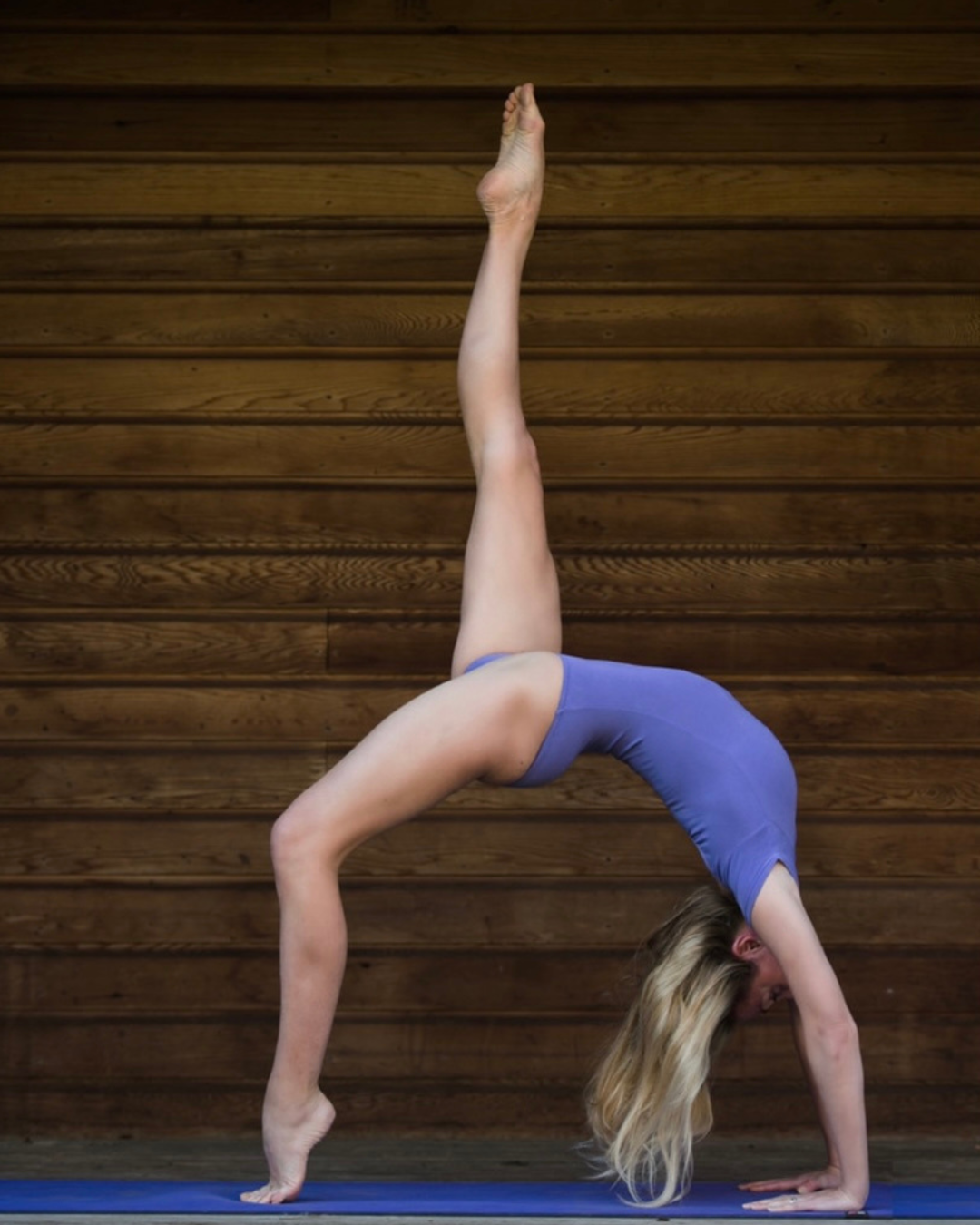
Instagram @flikswan
With over 25 years of experience in movement, how has your own philosophy around exercise evolved? Has what you prioritise changed over time?
Without question, it's the inclusion of strength training. I have always incorporated some form of bodyweight resistance work, the fitness brand I built and remain part of today evolved in that direction, but personally, I now train beyond bodyweight alone 3 times a week, so that means free weights, kettlebells, resistance bands, anything that adds load to the muscle.
My generation was shaped by a very particular fitness culture which meant run more, jump around, sweat more because cardio was the answer to everything. Shifting away from that and deliberately exchanging some of those sessions for strength work has been transformative, for my body composition, my hormonal health, and my mindset.
I actually work out less than I ever did in my 20s and 30s but my body is stronger and has more endurance than ever. I do what works for me, alongside nutrition, sleep, and recovery guidance and find what works for my clients so they feel the same.
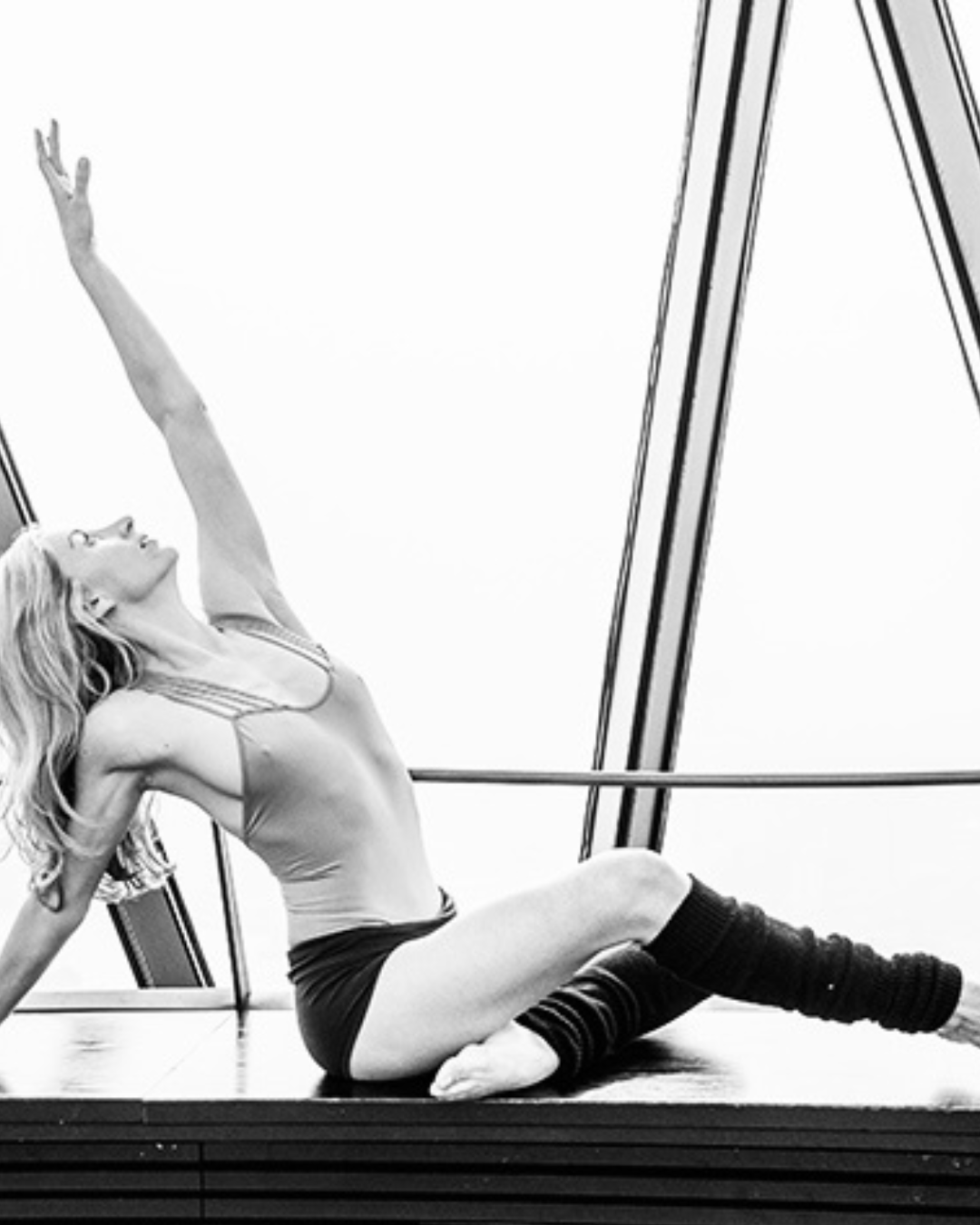
Instagram @flikswan
There's no shortage of health advice online. How can people distinguish between evidence-based guidance and wellness trends that may do more harm than good?
It depends enormously on where you're looking. There are excellent voices online, practitioners, researchers, clinicians, who share genuinely evidence-informed content. But for every one of those, there are many more accounts where someone has watched a Reel, read a caption, and run with it as though it were gospel. The intention may be good, but the effect can be so misleading.
There's also a more nuanced issue with science itself. Research can be manipulated, not necessarily dishonestly, but two well-conducted studies on the same topic can arrive at different conclusions depending on how the trial was designed, who funded it, and what outcome was being measured. I am not saying we dismiss the science in any way, just that we hold it with a degree of critical thinking.
Before you follow any health guidance, ask yourself what you're actually looking for answers for. Sleep? Body composition? Energy? Hormonal balance? Because each of those answers looks different depending on the individual. What works for me will not work identically for you.
Everything I give my clients is tailored, to their lifestyle, their time, their budget, their goals, their preferences. No two lifestyle plans are the same.
If you genuinely cannot distinguish between what is evidence-based and what is noise, find a practitioner who can help you navigate that and who doesn't just hand you a plan, but helps you understand it, so that over time you become more self-sufficient. That's the standard I hold myself to with every woman I work with.
What are some simple, sustainable habits that can have the biggest impact on long-term health and wellbeing?
This may sound so simple, but my answer is sleep. And I know some women reading this will feel a flicker of disappointment, (surely there's something more sophisticated, more targeted?) But I can assure you that nothing else you do for your health will land properly without adequate, quality sleep.
My simple habit is I set an alarm to go to bed, not just to wake up. That single discipline has helped everything.
When I sleep well, my whole being is better prepared, for my day, my clients, my training, my family. I resonate at a higher energy. I recover faster. My blood sugar regulation is more stable, my mood is more consistent, my cravings are quieter. The ripple effect of one good night's sleep touches every other pillar of health.
And at 47, my metabolic health is optimal, my inflammation markers are minimal, I feel more alive, more capable, and more ready for anything than I did at twenty-seven.
If there were one message you hope every woman approaching midlife would hear, what would it be?
You are not done. You are not finished. You are not on a slow decline. You are none of those things. You are simply shifting from one stage of your life to another and both can be your best self. Both are beautiful.
It takes a little discipline, a little consistency, some patience, and a lifestyle that genuinely supports every decade ahead. And there will be many of them. They will be glorious!
Move, nourish, recover and be in the body that carries a wealth of experience, wisdom, and capability. A shift in hormones will not stop you.
Don't let it.
Where to find Flik Swan:
Follow Flik Swan on Instagram
Start your journey with Flik Swan here