Antibiotics & Your Gut: What Really Happens (And How to Bounce Back)

Pinterest @povgirly
I recently needed a course of antibiotics, and I’ll admit it: I hesitated. As someone who prioritises gut health, my first thought was my microbiome. Was this going to undo years of careful eating, fermented foods, and probiotics? Was I facing a total reset?
If you’ve been in this position, you know the anxiety. So here’s what you need to know. The Short Answer: It’s Not a Blank Slate.
A course of antibiotics is not a complete wipeout. Your gut microbiome takes a significant hit; diversity drops, and key beneficial populations can be suppressed, but it’s rarely eradicated. The foundation you’ve built acts as a buffer, making recovery faster and more resilient.
Recent studies confirm the microbiome is remarkably tough. For most people, it recovers over weeks to months, especially when supported by consistent habits.
Pinterest @medicineandgratitude
How Significant Is the Impact?
Broad-spectrum antibiotics can significantly impact your microbiome, reducing microbial diversity by as much as 25 to 50 percent within just a few days. This directly affects the populations of bacteria essential for healthy digestion, a strong immune response, and balanced inflammation. The timeline for recovery can vary widely. For a short, standard course, a major rebound often occurs within one to two months. However, after prolonged or particularly potent antibiotic use, some key bacterial species may remain diminished for eight months or longer.
Critically, this is not a total erasure. The foundation you built beforehand matters immensely. Surviving bacteria can and do repopulate. If you have consistently maintained a diet rich in diverse fibers, you have likely cultivated a more resilient microbial community that is better equipped to recover effectively. Your past habits don't just disappear, they provide the essential groundwork for healing.
Why You Might Feel “Off”
Post-antibiotic bloating, brain fog, or shifts in digestion are common. This is often due to a temporary drop in beneficial compounds like short-chain fatty acids and a dip in gut-mediated immunity. A strong pre-existing baseline typically means these side effects are milder and shorter-lived.
How to Support Your Gut During Recovery
Current science strongly supports a food-first approach for rebuilding a healthy microbiome. Start by prioritising fermented foods; kefir, live yogurt, sauerkraut, kimchi, and kombucha, which introduce diverse, beneficial live strains. Evidence suggests they can be more effective for restoration than many probiotic supplements. Begin with one small serving daily to gently reintroduce activity.

Pinterest @alliejoyhilton
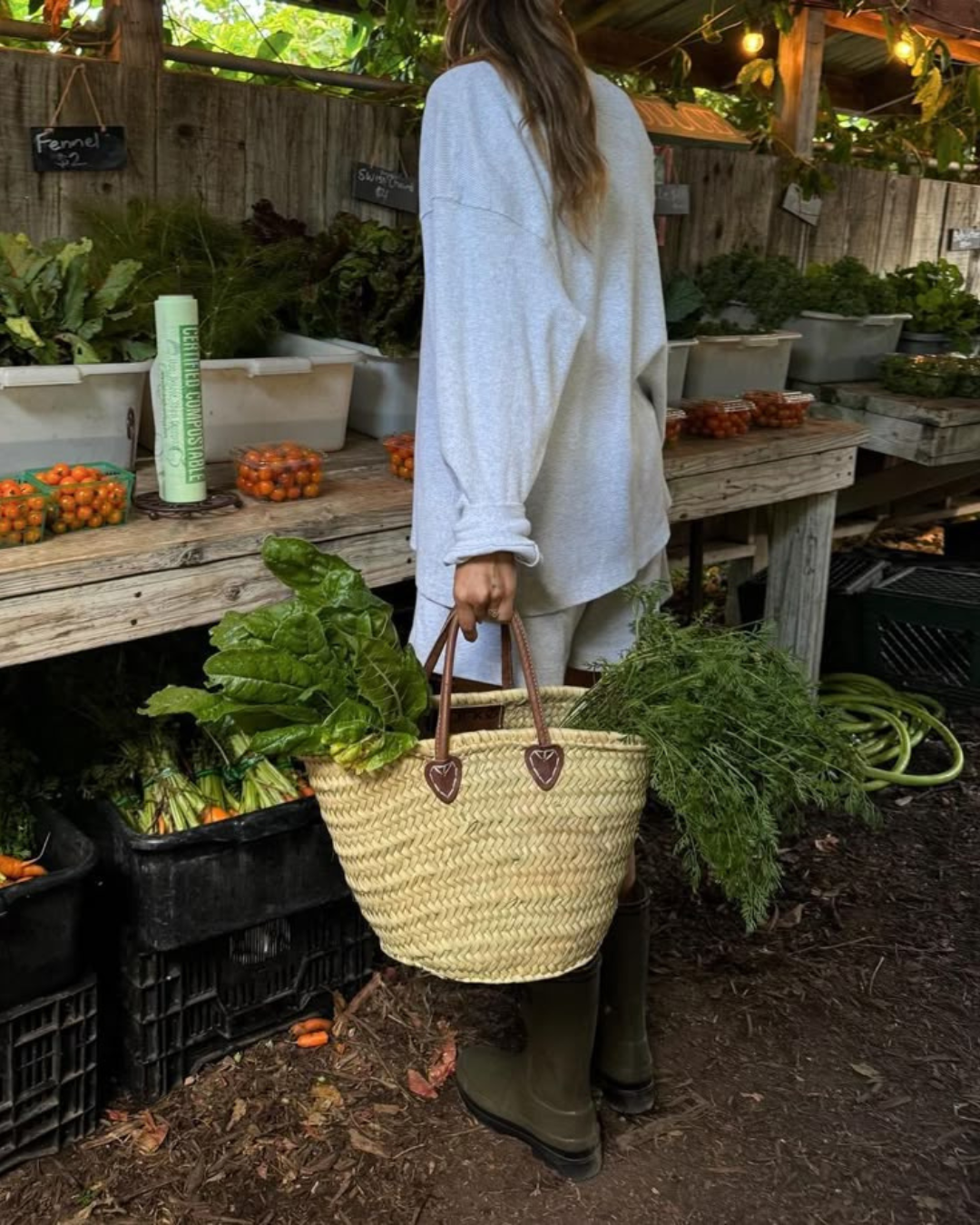
It's also essential to double down on fiber. Consider this non-negotiable. Fiber from foods like garlic, onions, leeks, artichokes, oats, and legumes acts as fuel for your remaining beneficial bacteria, helping them regrow and regain balance. Aim for 25 to 30 grams per day, increasing gradually to avoid discomfort.
Pinterest @jonesthuraia
If you choose to use a probiotic supplement, be strategic. Opt for a multi strain formula that includes Lactobacillus and Bifidobacterium, and take it a few hours apart from your antibiotic dose. Remember that while targeted probiotic use can help in some cases, general supplements may sometimes slow the full return of your native gut bacteria. In most situations, getting probiotics from food is the better choice.
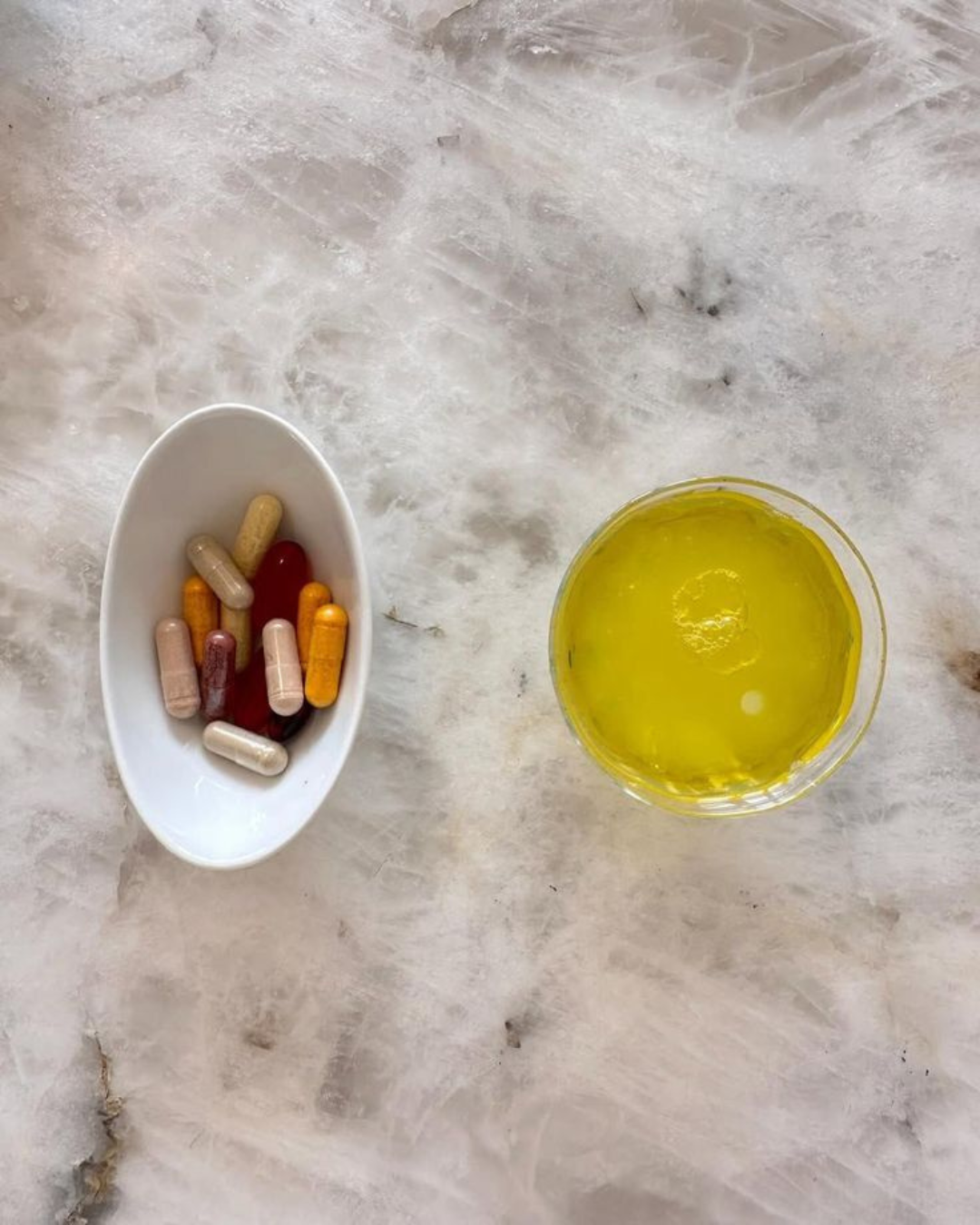
For those of us who view supplements as essential allies, consider this a targeted repair protocol. Begin with L-Glutamine, the foundational nutrient for gut lining repair. Introduce Zinc Carnosine to soothe and calm the intestinal tissue. Nourish your microbial community with a pure prebiotic fiber like inulin. Support the gut's structure with collagen peptides, and ease the digestive burden with an enzyme blend. Finally, anchor your day with a cup of bone broth, it's the deepest, most ancestral form of gut nourishment.
Most importantly, understand that gut health is deeply connected to a regulated nervous system. You can commit to all the right foods and supplements, but if you return to a state of chronic stress, you are counteracting your body's innate healing ability. True recovery means nurturing your entire ecology, your mind and your body to create the sustained calm your gut needs to fully rebuild.
The Bottom Line
If you’ve invested in your gut health, that investment is now paying off. You’re not starting from zero; you’re facilitating a rebound. Most people recover fully, especially with intentional support.
Listen to your body, add in one gut-friendly food at a time, and know that your system is designed to heal.
Disclaimer: This information is not a substitute for professional medical advice. Always consult a qualified healthcare professional.