Sustainable Hobbies to Try This Summer

Living more sustainably is a goal that many of us continue striving towards. With growing environmental concerns and the rising cost of living, sustainable habits are becoming less of an option and more of a necessity.
If you are unfamiliar with sustainable practices, or unsure of how to incorporate them into your lifestyle, then summer may be the perfect time to start. The days are longer, the weather is warmer, and there is an overall slower approach to life that allows us more time to reflect and appreciate the natural environment around us. Therefore, we naturally spend more time outdoors using less artificial lighting and typically lowering our carbon footprints. If you feel daunted by the idea of implementing sustainable living this summer, then why not try out this selection of hobbies that not only benefit the environment but can also bring a greater sense of calm and wellbeing.

Growing Your Own Produce
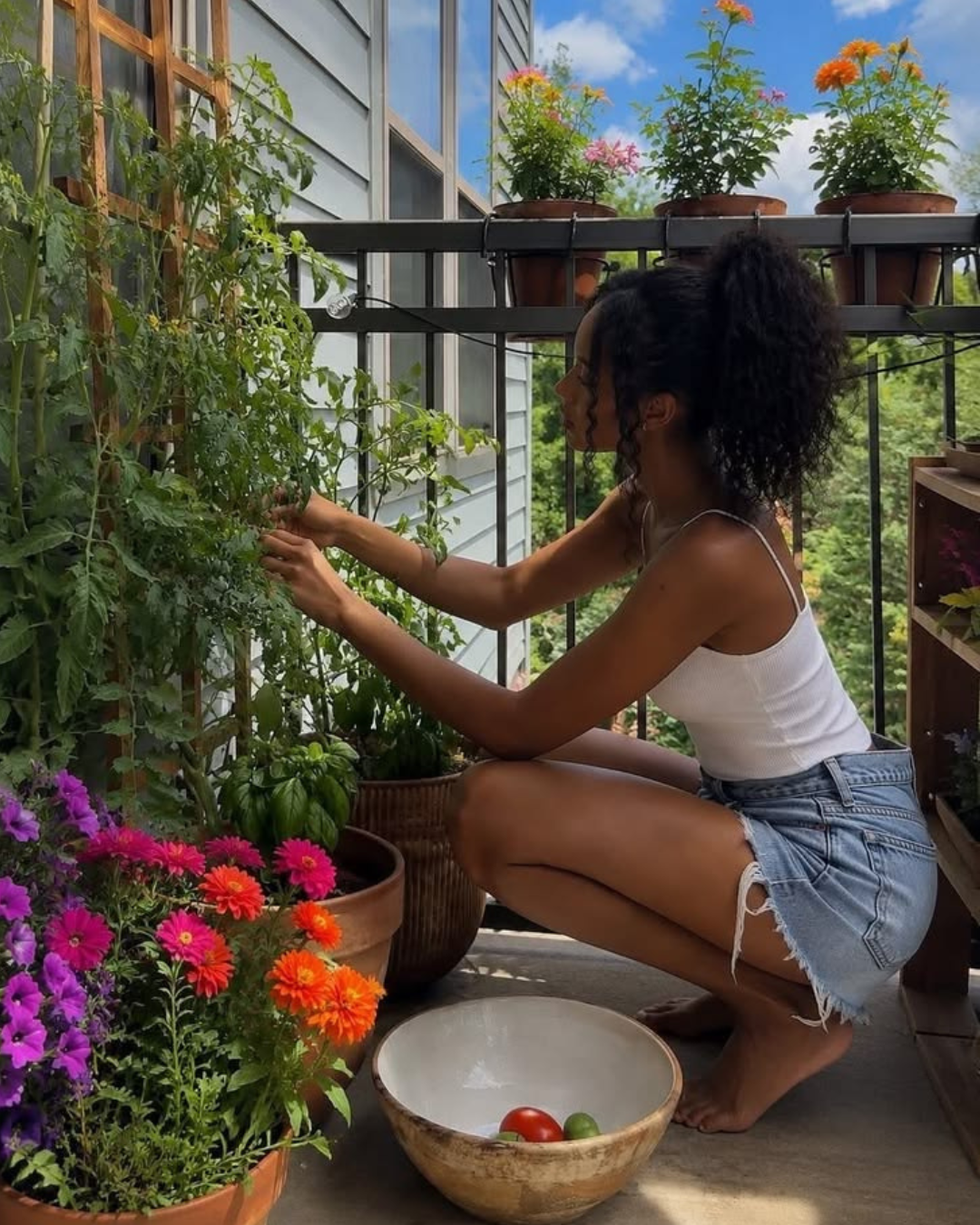
With the cost of living crisis continuing to affect households and individuals, many people are looking for ways to reduce their spending. Growing your own food is a simple yet rewarding way to do just that. Whilst being outside you can take part in producing something that benefits both you and the environment. Growing your own vegetables can help reduce grocery bills, cut down on plastic packaging, and give you greater control on how your food is grown. It also means that you have the privilege of harvesting your produce at its peak ripeness, flavour and nutritional value, which can add value to the satisfaction of knowing you are putting goodness into your body.
Here are a few simple vegetables you can grow to get you started, all perfect for the summer season:
Spinach
Spinach is a nutritious leafy green rich in vitamins and minerals that can be harvested multiple times throughout the season, with leaves ready to pick in just a few weeks. It is a popular choice amongst gardeners thanks to its productivity and health benefits. If you are planning a Mediterranean-style summer menu, spinach makes a perfect addition to fresh salads.
Spring Onions
Spring onions are very versatile and make great additions to salads, garnishes and stir-fries. They are easy to grow and take up very little space, making them ideal for small vegetable beds, raised planters, and containers.
Radishes
Radishes are among the quickest vegetables to mature, often ready to harvest in less than a month. Their rapid growth makes them an excellent choice for beginners, while their crisp, peppery flavour makes them perfect for summer salads.
Cherry Tomatoes
Cherry tomatoes are a common summer favourite thanks to their sweet flavour and versatility. They can be picked straight from the vine and enjoyed in salads, sandwiches, and pasta dishes or simply on their own. They are also relatively beginner-friendly, making them a popular choice for first-time gardeners.
Courgettes
Courgettes are highly rewarding vegetables to grow due to their quick growth and generous yields. Once established, they can provide a steady supply of produce from mid-summer onwards, often requiring very little maintenance while producing impressive harvests.
Urban Foraging and Wildlife Watching
Summer is one of the best times to connect with the natural world, as the local wildlife becomes increasingly active during the warmer months. By taking the time to observe the birds, insects, plants and other wildlife, we can gain a better understanding of the ecosystems that exist all around us and the important part they play in our environment.
Trying out simple but mindful activities such as identifying local plants, watching the birds, and learning about the different species in your local area can help foster a deeper appreciation for nature. You can also actively support local wildlife by leaving out water during hot weather, building a birdhouse, installing a bird feeder, or creating a bug hotel for insects. As temperatures rise, food and water sources can become more difficult for wildlife to access, so even small acts of support can make a meaningful difference.

Upcycling Clothing
Another significant environmental issue we face is the culture of overconsumption, particularly when it comes to fast fashion and synthetic materials. This constant production and disposal of clothing places considerable strain on natural resources and contributes to environmental damage. Luckily there are ways to help this.
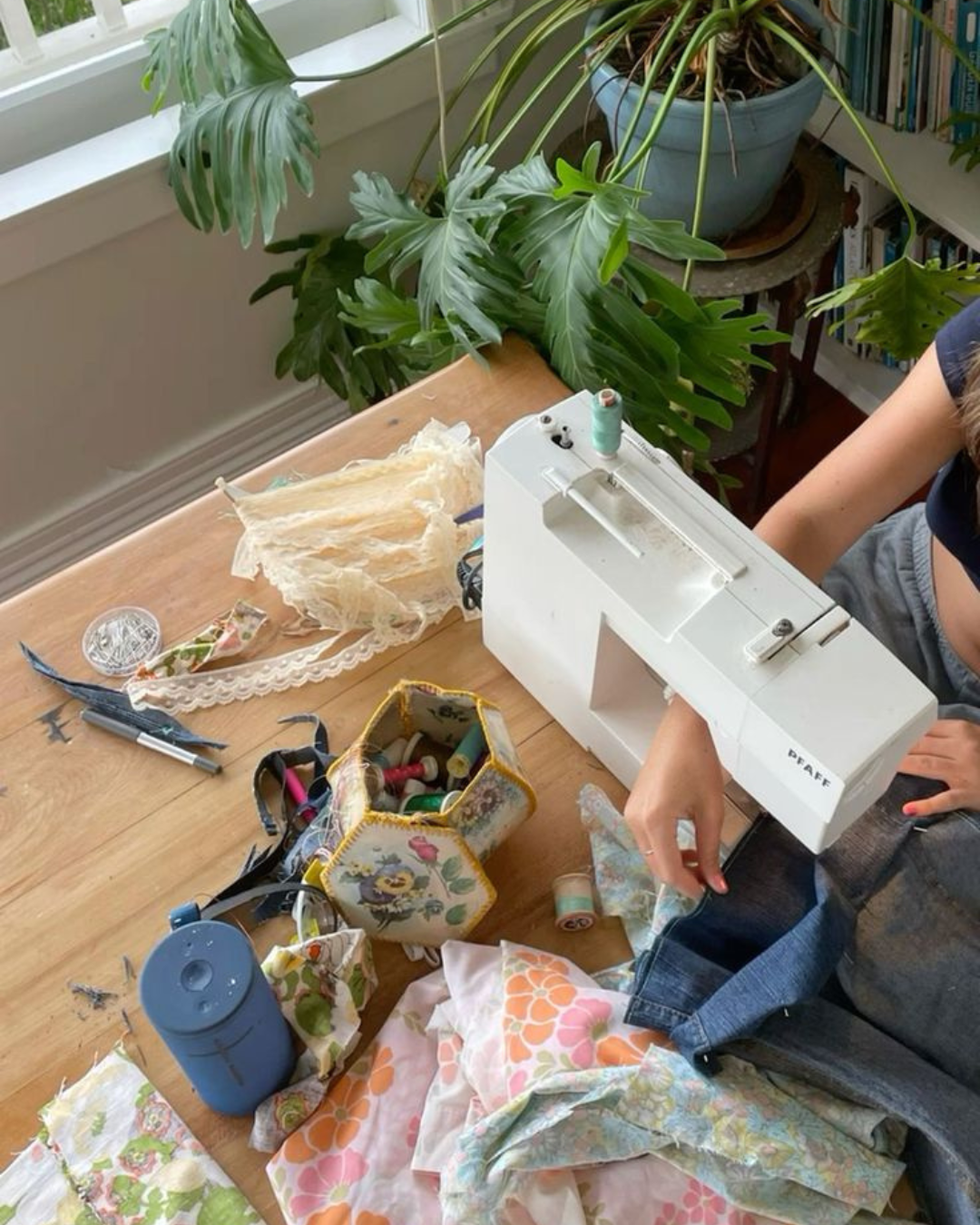
Upcycling offers a creative alternative. Similar to a spring clean, but with a more imaginative twist, upcycling involves taking old clothes or unwanted items and transforming them into something new. Whether that be turning an old pair of jeans into a tote bag, customising a jacket, or repurposing fabric into home decor, utilise your creativity and see what you can create.
By upcycling, we reduce waste, lower our consumption habits, and make better use of the resources we already have. At the same time, we have the opportunity to channel our energy into creativity, imagination and resourcefulness, all of which can help us develop a stronger sense of individuality.
Implementing sustainable practices doesn't have to be boring or hard to achieve. In fact, many of these effective habits are enjoyable, rewarding and easy to incorporate into everyday life. Whether you choose to grow your own vegetables, support local wildlife, or give your old clothes a new purpose, these activities allow us to engage more consciously with the world around us.
Ultimately, when we care for the environment, we can also care for ourselves. It is easy to forget that we are a part of nature too, so by embracing sustainable hobbies that support both our wellbeing and the planet, we can create positive change in our daily lives while helping to build a healthier future for everyone.