You Are What You Eat
The Whole Foods Lifestyle

Pinterest @nrssngr
I feel like there's a common misconception around healthy eating. The definition seems to shift constantly, depending on the latest goal or trend and yet, we're never truly satisfied. We sip lemon water and feel like we've pressed a reset button, but is it actually healthy in the long run? How many more fads do we need to fall for before we realise that nutrition isn't something secondary or something to casually experiment with?
Whether you're deep into longevity podcasts or searching for the ultimate juice detox to achieve glowing skin, these goals are worth pursuing but they should be integrated into a balanced, intentional lifestyle, not treated as quick fixes we hop between. Jumping from pescatarian one week to Bryan Johnson's diet the next isn't the answer. So what should we actually be eating?

Pinterest @herbrownselfcare
Last week, I had the simplest breakfast, a bowl of greek yogurt topped with fresh strawberries, shaved almonds, and a drizzle of maple syrup, alongside a cup of coffee, and it reminded me of what truly matters. I didn't feel inflamed, sluggish, or tempted to snack to fill some nutritional void. Instead, I felt energised and genuinely well. Could the simplicity of whole ingredients be the reason for that deeply nourished feeling?
Here's the thing. Whether you're vegan, vegetarian, or avoiding gluten, what really matters is the source of what's on your plate. When you stop treating food as an experiment and start giving it the respect it deserves, every meal becomes a ritual. Your entire perspective shifts. You stop scanning ingredient labels for marketing claims and start choosing real ingredients, ingredients you can see, smell, and trust. When you're at the market and you pick up a tomato, inhale the scent of fresh herbs, or choose spices by aroma, you begin to realise that everything you consume plays a pivotal role in your health.
It's not an exaggeration. We truly are what we eat. Every meal transforms us. Our cells regenerate, our energy shifts, and we are not the same physically or energetically before and after we eat. And it's no coincidence that certain foods, or rather certain products, leave us feeling snacky, sluggish, irritable, or breakout prone.
What "Whole Foods" Actually Means
Instagram @mercedesz.neumannn
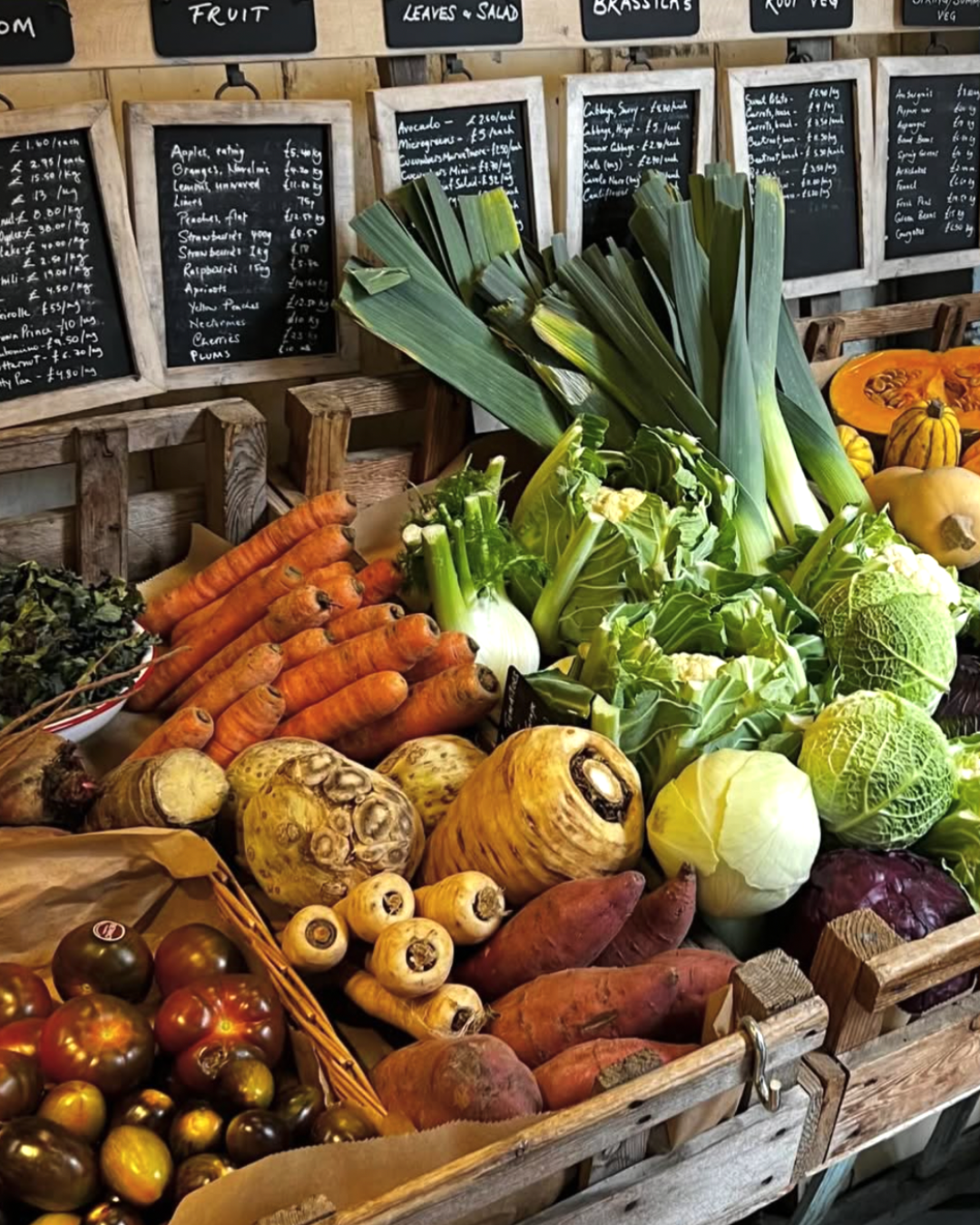
The term gets used loosely, so it's worth being precise. A whole food is one that has not been significantly altered from its natural state. It contains no added sugars, artificial flavours, synthetic preservatives, or industrially processed fats. It looks and behaves the way nature made it.
Whole grains like oats, quinoa, farro, and brown rice still contain their bran and germ, where the fiber, B vitamins, and minerals actually live. Refined grains have had these stripped away, leaving primarily starch. A slice of whole grain bread and a slice of white bread may look similar, but they behave entirely differently inside your body. The whole grain version digests slowly, feeds your gut bacteria, and produces a gradual rise in blood sugar. The refined version spikes blood glucose rapidly, triggers an outsized insulin response, and leaves you hungry again within hours.
The same principle applies across every food category. Full-fat Greek yogurt made from milk and live cultures is a whole food. A low-fat yogurt loaded with modified starch, artificial sweetener, and natural flavoring is not. The label may say it has fewer calories, but the ingredients are actively working against your biology.
This distinction matters more than calories, macros, or any other metric the diet industry has convinced you to track.
The Gut Microbiome: Why Everything Starts Here
Over the past two decades, research into the gut microbiome has fundamentally changed how scientists understand human health. Your gut is home to approximately 38 trillion microorganisms, including bacteria, fungi, and viruses, that collectively influence your immune system, mood, metabolism, skin, hormones, and even cognitive function.
The single greatest factor shaping the health of your microbiome is what you eat.
Beneficial gut bacteria thrive on dietary fiber, the kind found in vegetables, legumes, whole grains, and fruit. When fiber reaches the colon, these bacteria ferment it and produce short-chain fatty acids, particularly butyrate, propionate, and acetate. Butyrate is the primary fuel source for the cells lining your colon and plays a critical role in reducing inflammation throughout the body. A diet consistently low in fiber starves these bacteria, reduces microbial diversity, and weakens the gut lining, a condition sometimes called intestinal permeability or leaky gut.
Processed foods do additional damage. Emulsifiers like carboxymethylcellulose and polysorbate 80, commonly found in packaged foods, have been shown in animal and early human studies to disrupt the protective mucus layer of the gut and promote low-grade inflammation. Artificial sweeteners including saccharin, sucralose, and aspartame have been shown to alter gut bacteria composition and impair glucose metabolism, which is the opposite of the benefit most people are trying to achieve when they choose them.
When your microbiome is compromised, it doesn't stay quiet. It signals through cravings, particularly for sugar and refined carbohydrates, because the bacteria that feed on these foods actively stimulate appetite pathways to get more of what they need. Breaking that cycle requires consistently feeding the bacteria you want to grow, not just eliminating the foods you want to avoid.

Pinterest @jonesthuraia
Building Your Plate: The Four Pillars
Fibre-Rich Plants as Your Foundation
Pinterest @lorifoxbane
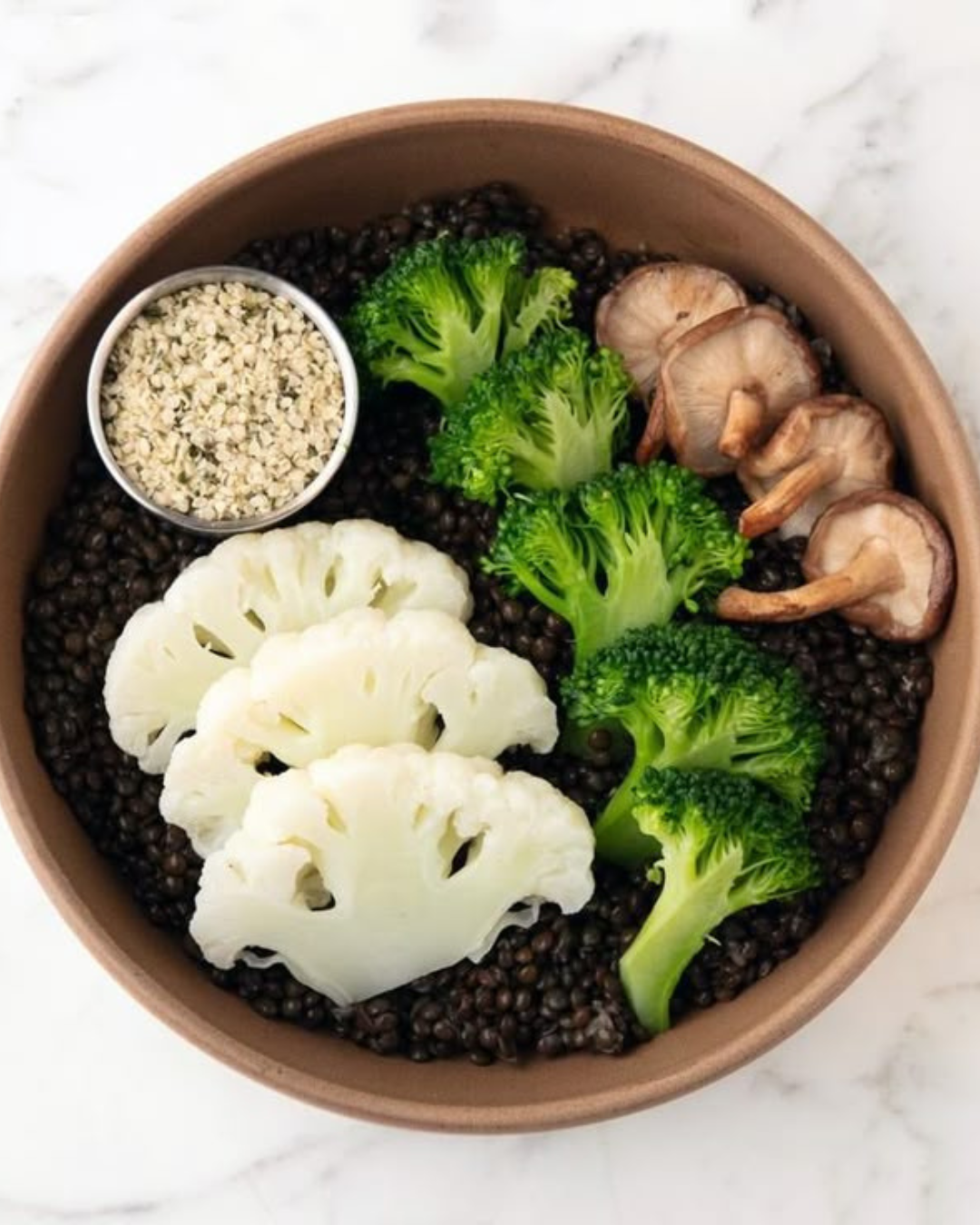
The evidence for eating abundant vegetables, fruits, legumes, and whole grains is soconsistent across so many populations that it barely requires defense. The longest-lived communities on earth, all consume plant foods as the overwhelming majority of their diet. This doesn't require vegetarianism. It requires prioritsing plants at every meal.
Aim for genuine variety. The compounds that give plants their color, called polyphenols and carotenoids, are among the most powerful anti-inflammatory and antioxidant substances known to science. Lycopene in tomatoes, anthocyanins in blueberries and purple cabbage, sulforaphane in broccoli and cauliflower, curcumin in turmeric. These compounds do not exist in any supplement pill in the same way they exist in whole food, because they work synergistically with hundreds of other compounds in the plant that we are still discovering.
A simple and effective goal: eat at least 30 different plant foods per week. People who consistently eat 30 or more plant varieties weekly tend to have significantly more diverse microbiomes than those eating 10 or fewer, regardless of whether they are vegan, vegetarian, or omnivore.
Quality Protein at Every Meal
Pinterest @mistresshyde
Protein is not just for athletes. It is essential for cellular repair, immune function, enzyme production, hormone synthesis, and muscle preservation as you age. The quality and source of protein matter considerably.
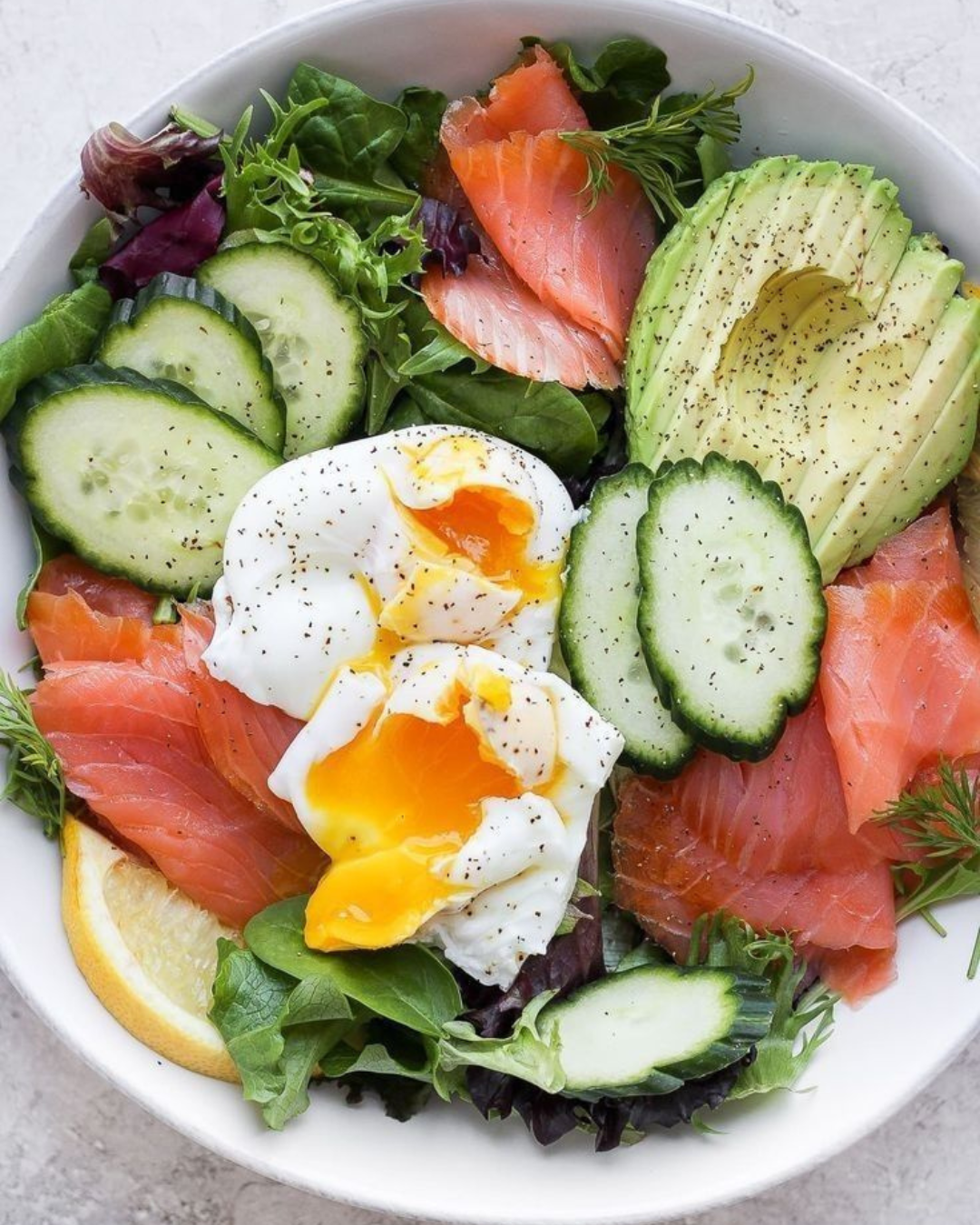
Whole protein sources including eggs, fish, poultry, legumes, and full-fat dairy provide the complete amino acid profiles your body requires. Eggs in particular are one of the most nutrient-dense foods available, containing high-quality protein alongside choline, which is critical for brain health and often under-consumed, as well as lutein and zeaxanthin for eye health. Fatty fish like salmon, mackerel, and sardines deliver protein alongside omega-3 fatty acids, which bring their own profound anti-inflammatory benefits.
Legumes deserve more credit than they typically receive in Western diets. Lentils, chickpeas, black beans, and white beans are simultaneously high in protein, high in fiber, rich in iron and folate, and low in cost. They are a cornerstone food in nearly every long-lived culture on earth.
The Right Fats

Pinterest @pavlovna11
Fat was incorrectly demonised for decades, a mistake with lasting public health consequences. Fat does not make you fat. Excess processed carbohydrates and inflammatory oils are far more implicated in metabolic dysfunction than the natural fats found in whole foods.
Extra-virgin olive oil is arguably the most well-studied food in human nutrition. Use it generously on vegetables, in dressings, and for lower-heat cooking. Omega-3 fatty acids, particularly EPA and DHA found in fatty fish, are essential for brain function, cardiovascular health, and the resolution of inflammation. The modern Western diet is dramatically skewed toward omega-6 fatty acids from refined seed oils, creating an imbalance that promotes chronic, low-grade inflammation. Eating fatty fish two to three times per week, or supplementing with high-quality fish oil, is one of the highest-leverage nutritional changes most people can make. Avocados, walnuts, flaxseeds, chia seeds, and hemp seeds round out a diet rich in healthy fats and provide additional fibre, minerals, and plant-based omega-3s in the form of ALA.
Micronutrients: The Invisible Architecture of Health
Vitamins and minerals operate in the background of every biological process. Magnesium alone is a cofactor in over 300 enzymatic reactions in the body. Vitamin D functions more like a hormone than a vitamin and plays a central role in immune regulation, mood, bone density, and inflammation. B vitamins are essential for energy metabolism and neurological health. Zinc is critical for immune function and wound healing.
The best way to cover your micronutrient needs is through dietary variety. Dark leafy greens like spinach and kale are among the most nutrient-dense foods on the planet, delivering magnesium, calcium, folate, vitamin K, and iron in a single handful. Seeds, particularly pumpkin seeds, are an excellent source of magnesium and zinc. Organ meats like liver, though not universally enjoyed, are more nutritionally dense than almost any other food. And the diversity of a genuinely varied whole foods diet naturally covers most bases.
That said, certain deficiencies are common enough to warrant individual testing. Vitamin D, magnesium, ferritin, B12, and zinc are all worth checking through bloodwork, especially if you experience persistent fatigue, poor sleep, frequent illness, or mood issues.Supplementing based on confirmed deficiency is meaningfully more effective than supplementing blind.

Pinterest @diananserova
How to Eat This Way
The biggest mistake people make when overhauling their diet is trying to change everything at once. The resulting friction almost always leads to abandonment within weeks. A more effective approach is to apply these principles gradually, starting with the meals you already love.
If you cook Italian food regularly, it already has excellent bones: olive oil, tomatoes, legumes, fresh herbs, fish. Leaning into those elements more deliberately, and crowding out refined pasta with lentil pasta or more vegetables, is a meaningful shift that doesn't require abandoning your repertoire. If you grew up eating Indian food, dal, sabzi, and yogurt-based dishes are already among the most nutritionally complete meals in the world. If you eat a traditional Japanese diet, you are already practicing many of these principles without thinking about it.
The goal is not optimisation. It is a consistent, sustainable, enjoyable relationship with food that your body can rely on for decades.
Pay attention to how you feel in the hours after eating. Energy levels, mental clarity, hunger, and mood are all useful signals. A meal built on whole ingredients should leave you satisfied, clear-headed, and energised for several hours. If it doesn't, that is information worth acting on.
And when you eat something outside of this framework, which you will, because you are a human being with a social life and a history with food, it changes nothing about the direction you are moving in. One meal does not undo weeks of nourishment. The pattern matters far more than any single choice.
The things you are chasing, whether that is sustained energy, a body that performs and feels well, skin that reflects your health, a mind that stays sharp, or simply a life with less sickness and more vitality, are all downstream of this. Not a supplement. Not a protocol. Not a 30-day reset.
The food you eat every day is either building you up or breaking you down. That is not a metaphor. It is biochemistry. And it is almost entirely within your control.

Pinterest @soleia_star