WTF Is Whimsymaxxing?
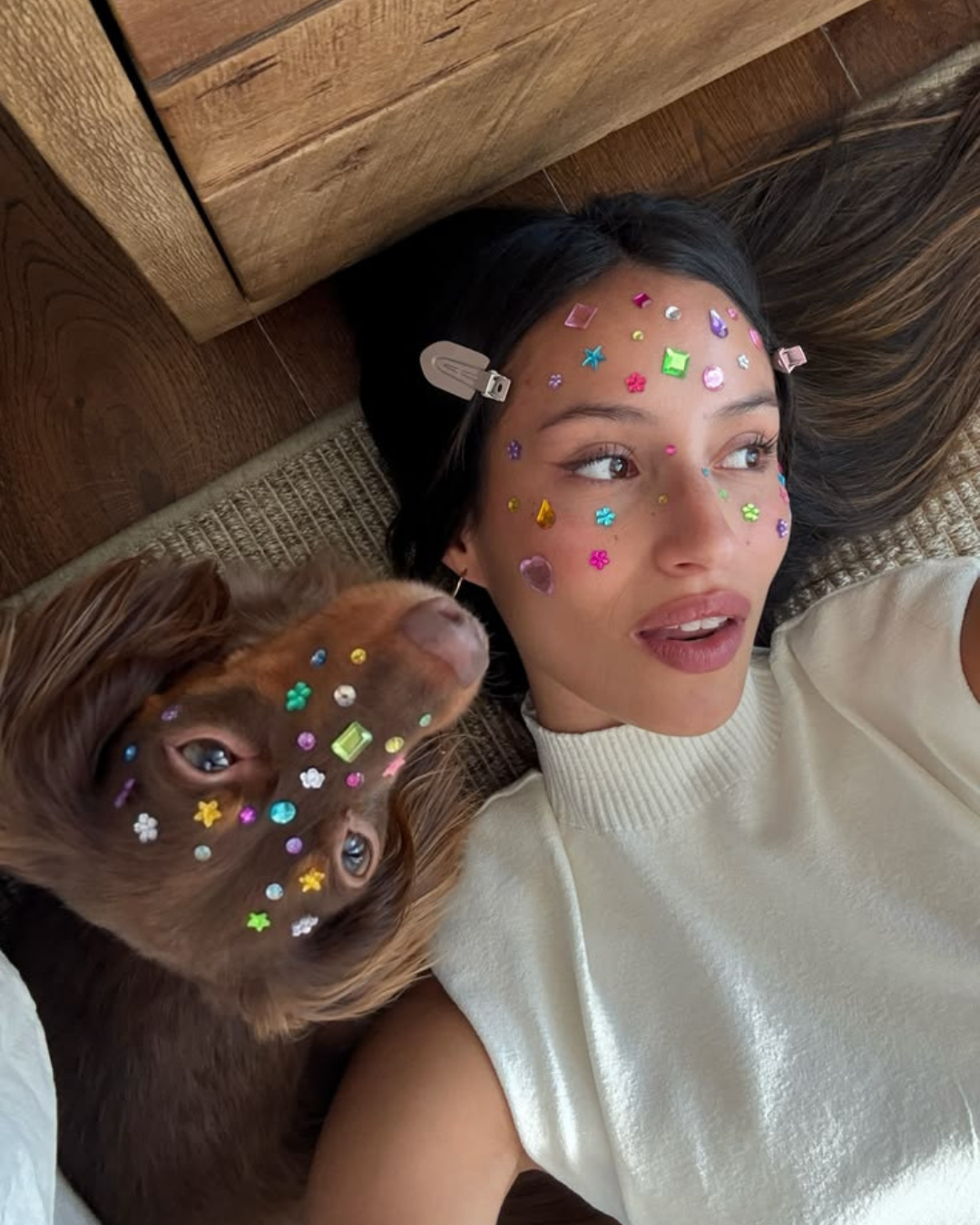
There was a time, not so long ago, when the height of sophistication was to look as though you hadn’t tried at all.
Quiet cashmere. Discreet jewellery. Beige interiors. The kind of handbag whose price could only be identified by someone equally committed to knowing. Personality, preferably, was to be implied rather than displayed.
Then came whimsy.
Or, more specifically, whimsymaxxing.
So, what is it?
The internet’s latest contribution to the cultural lexicon is part fashion movement, part mood and part rather excellent excuse to buy something completely unnecessary. It takes the increasingly ubiquitous suffix of “-maxxing”, originally associated with the relentless optimisation of oneself, and applies it to something altogether less productive: joy.
Where looksmaxxing asks how much “more” attractive you can become, whimsymaxxing asks a considerably more interesting question: how much more fun can you make your life?
The answer, apparently, is quite a lot.
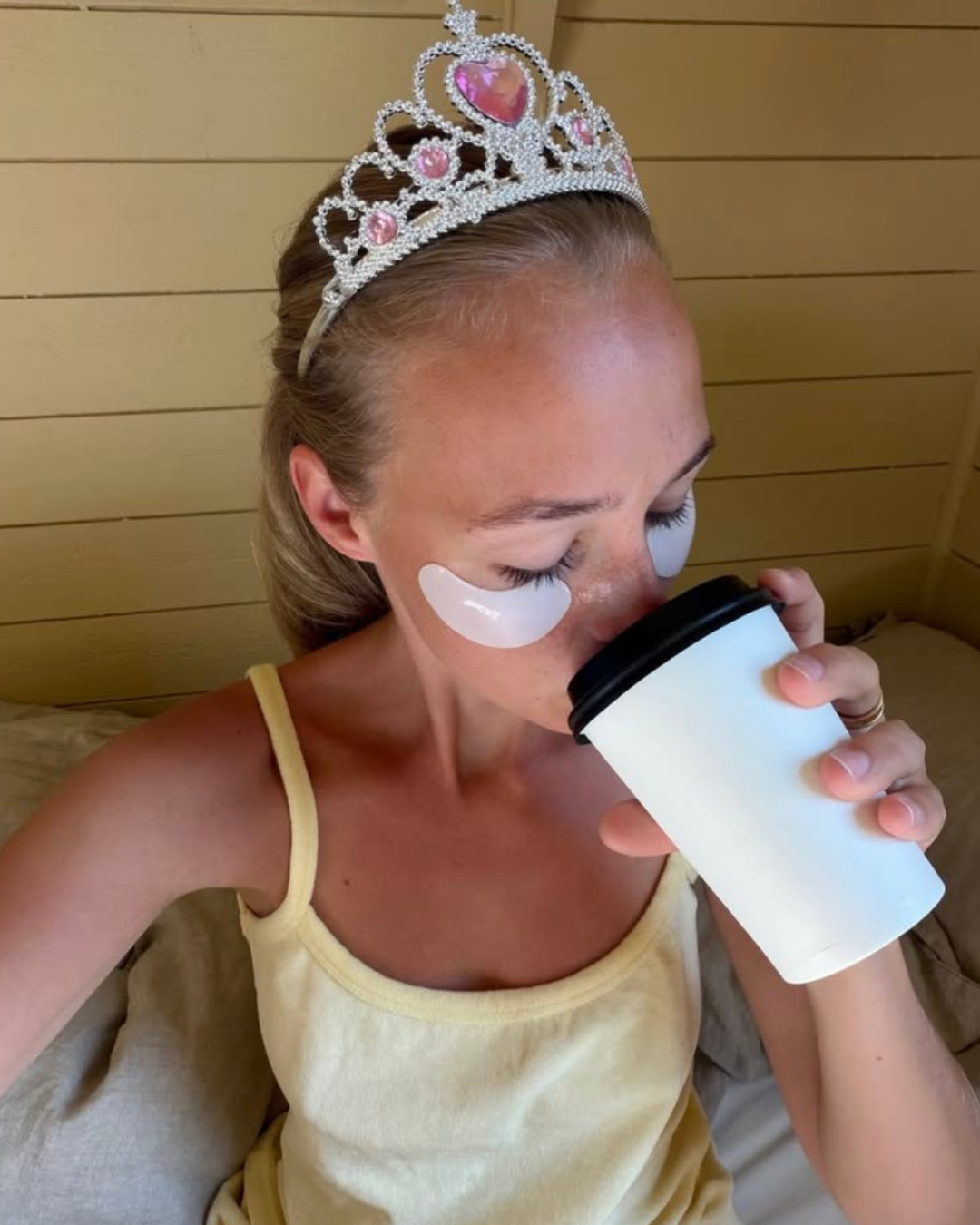
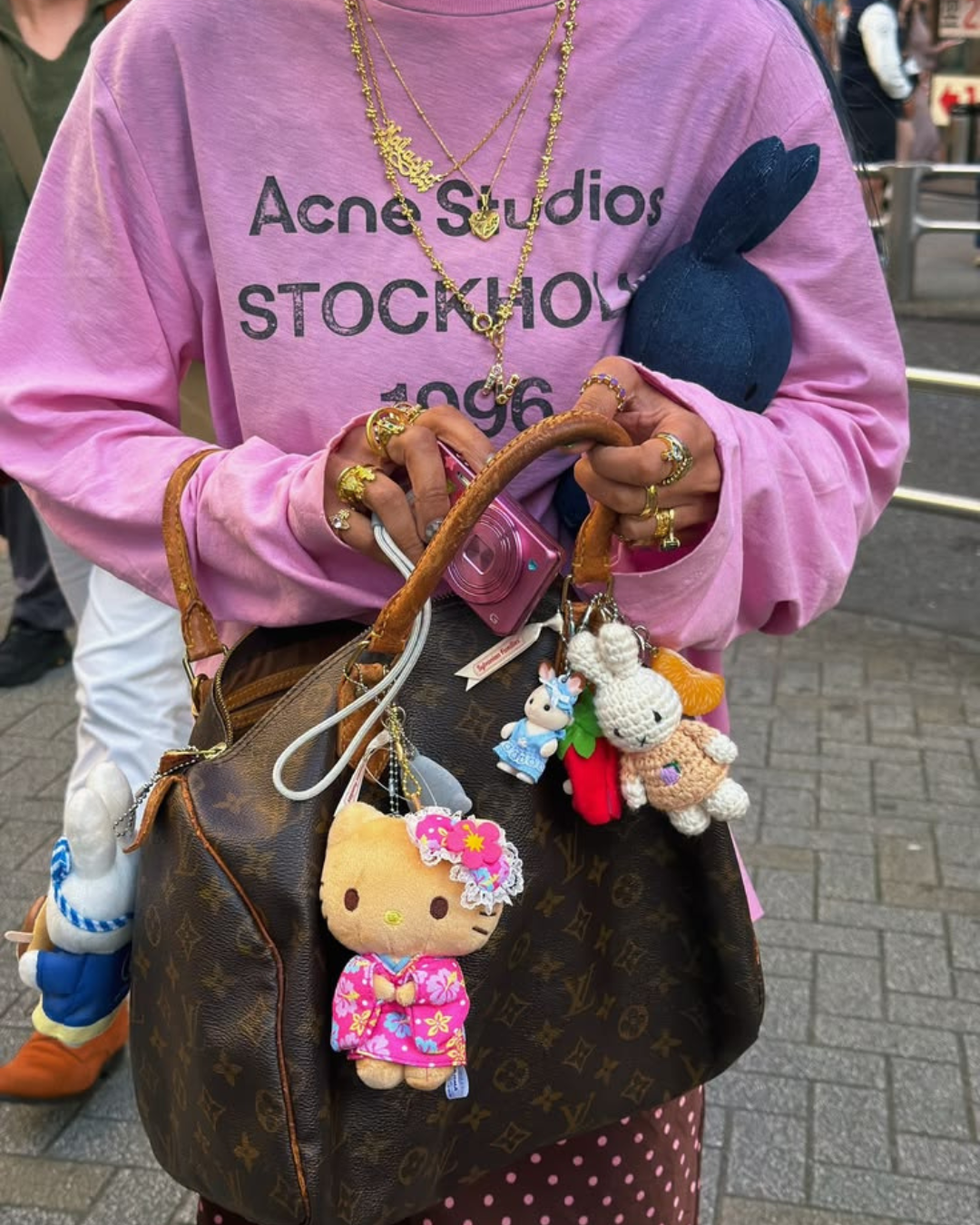
A brooch where a brooch was not required. A silk scarf tied somewhere unexpected. A pair of shoes that make very little practical sense, but are cute of course. A handbag charm that costs a interesting amount for something whose sole purpose is to make you smile. A dinner table that looks faintly theatrical on a Tuesday night.
The point is not extravagance for extravagance’s sake. It is deliberate delight. And that distinction matters.
Because whimsymaxxing arrives at an interesting moment in fashion and culture. After several years in which restraint became its own kind of status symbol, the pendulum is moving. 2026 has seen a noticeable appetite for colour, ornament, craftsmanship and clothes with an actual point of view. Current fashion coverage is already describing a return to maximalism and individuality, while designers are embracing playfulness rather than treating it as frivolous.
British Vogue has described whimsymaxxing as a rejection of quiet luxury and a move towards “joy as a status symbol”. The phrase is surprisingly revealing.
Because perhaps that is what has changed.
For a while, luxury was about having the discernment to remove things. The logo disappeared. The colour disappeared. The clutter disappeared. Eventually, anything that looked too considered began to feel suspiciously like trying.
Whimsy does the opposite. It puts something back. A little eccentricity. A little sentiment. A little absurdity. The things you might once have edited out because they weren't sufficiently chic. And suddenly, they are the chicest things in the room.
Look at the way it is appearing in fashion. Brooches returning to red carpets. Silk scarves, colourful jewellery and eccentric accessories slipping into otherwise impeccable wardrobes. None of these things are particularly new. That is almost the point. Whimsy has always existed. It belongs to people who collect things, dress for dinner even when dinner is at home, buy flowers without waiting for an occasion, know the pleasure of an excellent cake, or refuse to believe that a beautiful object needs a practical justification.
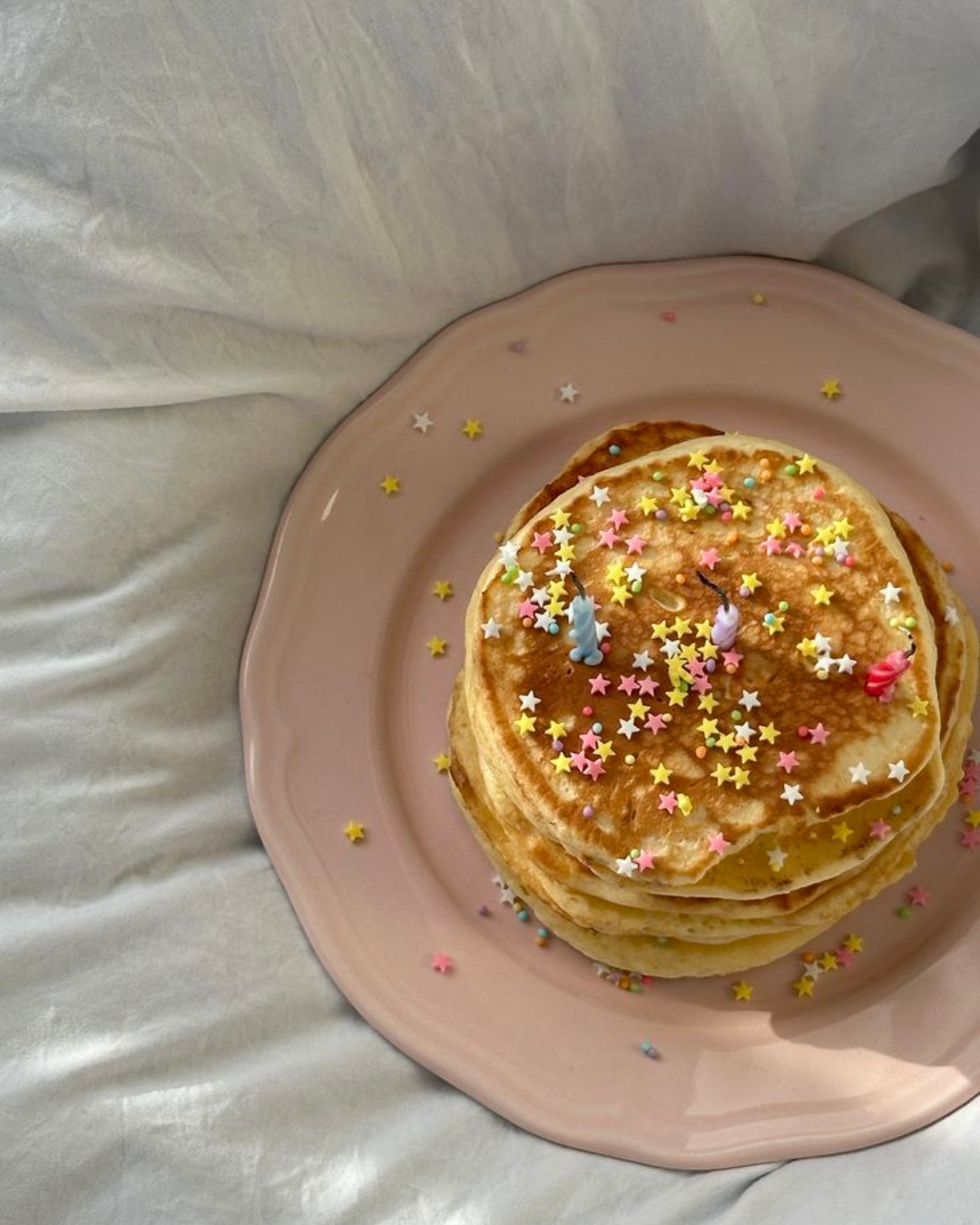
What is new is the language around it.
The internet has a habit of turning instinct into taxonomy. Suddenly there is a name for something people have been doing forever. And perhaps that is why whimsymaxxing feels less like a fleeting microtrend than a symptom of something bigger.
We are tired of optimising. Tired of turning every aspect of existence into a project. Better sleep. Better skin. Better bodies. Better wardrobes. Better routines. Better everything. Whimsy offers a wonderfully inefficient alternative.
Do something because it makes you happy.
Buy the slightly ridiculous object.
Wear the earrings that are too much.
Order dessert.
Keep the ugly little ceramic you bought on holiday.
Put the good glasses on the table when nobody is coming over.
In a culture increasingly obsessed with value, efficiency and getting things “right”, there is something quietly luxurious about doing something for no reason at all. And perhaps that is where whimsymaxxing becomes genuinely interesting. Because luxury has always been about more than price. It is about having the freedom to choose differently. To indulge in craftsmanship, beauty, pleasure, time. To surround yourself with things that have meaning beyond their utility.
The next iteration of luxury may simply be more personal. Less what does this say about me? More does this make me happy?
Which, frankly, sounds like a much better way to live.
So yes, buy the ridiculous lamp.
Wear the bow.
Put the charm on the bag.
Serve champagne in the glasses you were “saving”.
If quiet luxury taught us anything, it is that understatement can be chic.
Whimsy is here to remind us that joy can be chic, too.