Wabi Sabi: The Japanese Philosophy That Can Transform The Way You Approach Wellness
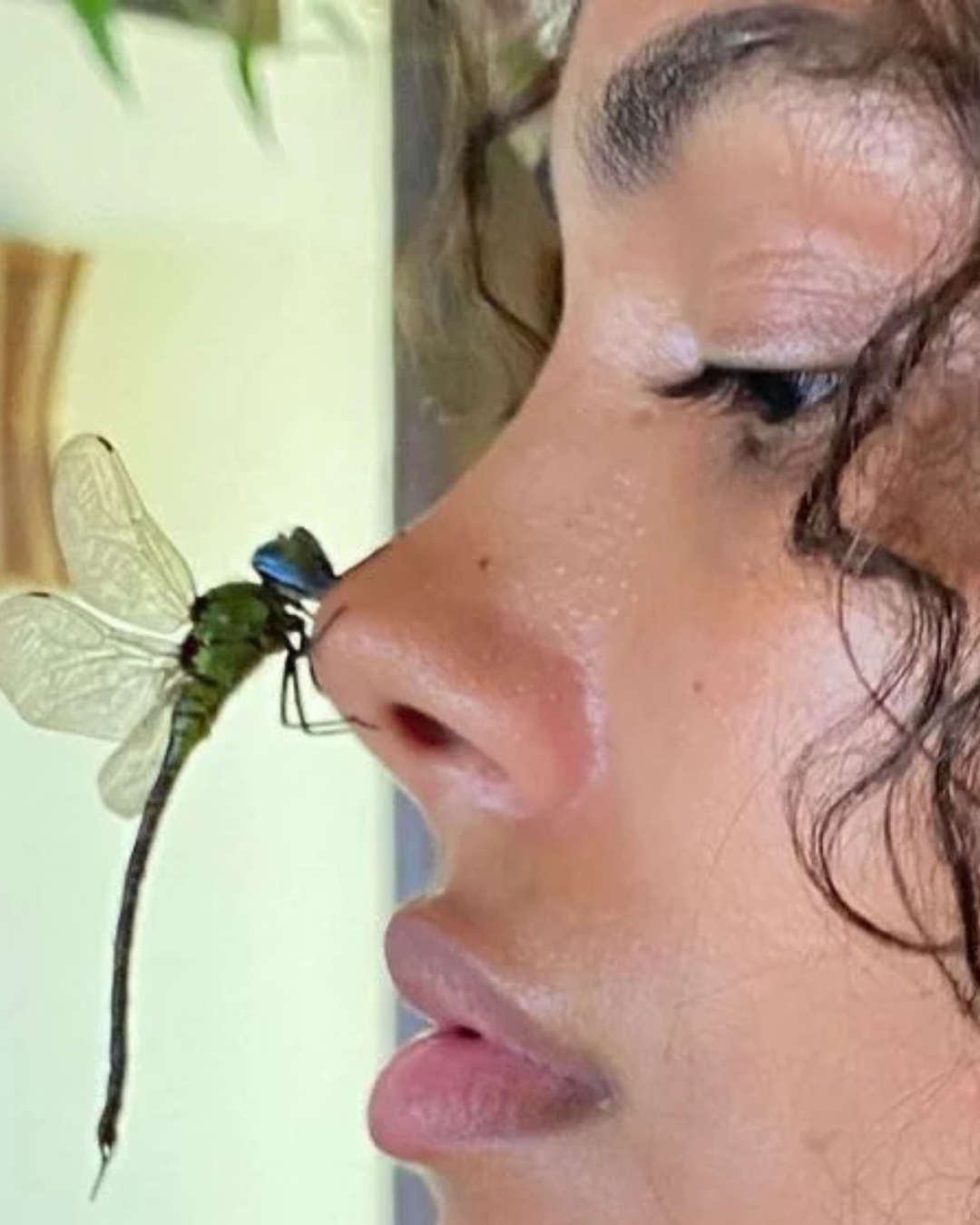
There is a reason so many wellness routines fail, and it has little to do with motivation.
Most of us don't struggle because we don't know what to do. We know we should move our bodies more, eat nourishing foods, get enough sleep, and make time for ourselves. The challenge is something deeper. We believe we have to do it all perfectly. If we can't commit to an hour-long workout, we skip it entirely. If we eat one unhealthy meal, we tell ourselves we'll start over on Monday. If our routine isn't flawless, we assume it isn't working.
Somewhere along the way, wellness became another impossible standard to live up to.

This is where Wabi Sabi offers a refreshing perspective.
Rooted in Japanese philosophy, Wabi Sabi is the practice of finding beauty in imperfection, simplicity, and the natural flow of life. It is built around three timeless ideas: nothing is perfect, nothing lasts forever, and nothing is ever truly finished. Rather than resisting change or chasing perfection, Wabi Sabi invites us to embrace both. It asks us to appreciate things as they are, not as we wish they could be.
Although the philosophy has existed for centuries, it feels remarkably relevant today. We live in a culture that constantly encourages optimization. Every scroll through social media presents another morning routine, another productivity hack, another perfectly organized refrigerator, another flawless workout schedule. Wellness has become something to achieve rather than something to experience.
It's easy to believe that everyone else has figured it out.
Behind every carefully curated photo is a person navigating stressful weeks, changing priorities, unexpected setbacks, and days when nothing goes according to plan. Life is rarely as polished as it appears online, yet we continue comparing our everyday reality to someone else's highlight reel.
Wabi Sabi reminds us that real life was never meant to look perfect.
The Origins of Beauty in Imperfection
The philosophy first emerged through Japanese art, architecture, and tea ceremonies. Handmade pottery became more valuable because of its irregular shape. Wooden furniture grew more beautiful as it aged. Gardens were admired because they changed with each season rather than remaining the same forever. Instead of seeing wear, change, and imperfection as flaws, they were viewed as evidence of life itself.
Imagine applying the same mindset to your own wellness journey. Instead of criticizing yourself for missing yesterday's workout, you simply go for a walk today. Instead of abandoning healthy eating because you ordered pizza last night, you make yourself a nourishing breakfast this morning. Instead of believing you've failed, you recognise that wellness is built through hundreds of ordinary decisions, not a handful of perfect ones.

Breaking Free From The Myth of Perfect Conditions
Many of us postpone healthy habits because we're waiting for ideal circumstances. We tell ourselves we'll start exercising once work becomes less stressful. We'll meditate after life slows down. We'll cook healthy meals once our schedule becomes more manageable. We wait for the perfect Monday, the perfect season, or the perfect version of ourselves.
But life doesn't stop being unpredictable. There will always be deadlines, family commitments, travel plans, unexpected illnesses, and busy weeks. If perfect conditions are the requirement for taking care of yourself, you'll spend most of your life waiting.
Wabi Sabi asks a different question.
What can you do with the life you have today?
Perhaps today doesn't allow time for a sixty-minute workout, but it allows ten minutes of stretching before bed. Maybe you don't have the energy to cook an elaborate dinner, but you can prepare a simple bowl of rice, vegetables, and salmon. Maybe your meditation lasts five minutes instead of thirty.
Those choices often matter more because they're realistic enough to repeat tomorrow.
The Power of Small, Consistent Actions
One of the biggest misconceptions about lasting change is that it comes from dramatic transformations. We imagine a completely new routine beginning overnight. We believe discipline means never missing a workout, never eating dessert, and never losing motivation.
Research on habit formation tells a different story. Long-term habits are created through repetition, not intensity. Small actions performed consistently reshape behavior far more effectively than ambitious routines that quickly become overwhelming. Walking for twenty minutes every day has a greater impact than completing an exhausting workout once every few weeks. Preparing simple balanced meals throughout the week does more for your health than following an extremely restrictive diet for ten days before giving up.
Consistency has always been more powerful than perfection.
Wabi Sabi encourages us to celebrate progress instead of flawless execution. A workout doesn't lose its value because it lasted fifteen minutes instead of an hour. A nourishing breakfast isn't less meaningful because lunch came from a restaurant. Reading one chapter of a book still counts, even if you planned to read ten.
Every small action becomes a vote for the person you're becoming.
Beyond Wellness
This philosophy extends beyond wellness into nearly every part of life.
We often believe our homes need to be perfectly decorated before we can enjoy them. We think our careers should follow a straight line. We assume confidence arrives only after we've achieved certain goals. We delay wearing clothes we love until we reach a specific weight. We postpone joy while waiting for life to become more complete. Wabi Sabi invites us to challenge those beliefs.
Life isn't meant to be frozen at its most polished moment. It is constantly changing. Our bodies change. Our relationships change. Our priorities change. Even our definition of success evolves over time.
There is beauty in allowing ourselves to change with it.
You Are Never Finished

Perhaps the most meaningful lesson Wabi Sabi offers is that we are never finished. There is no final version of yourself waiting at the end of the perfect diet, the perfect skincare routine, or the perfect morning ritual. You are already living your life. You don't need to earn permission to care for yourself until everything feels organised.
Wellness isn't about becoming perfect. It's about building a relationship with yourself that can adapt to every season of life.
Some seasons will allow long workouts, homemade meals, and slow mornings. Others will demand flexibility, shorter routines, and more self-compassion. Both seasons deserve care. Both count.
Where to Begin
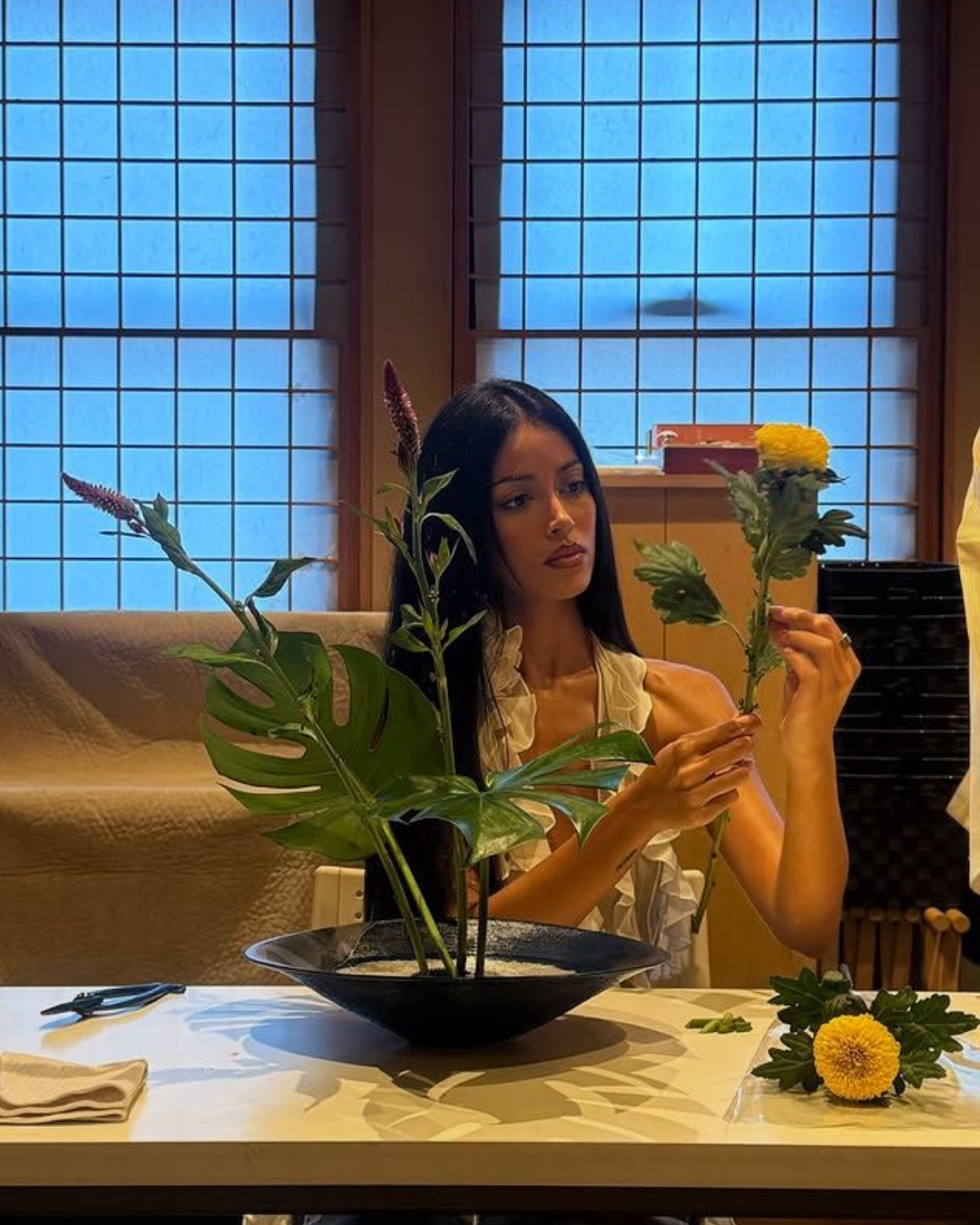
The next time you catch yourself thinking, "I'll start when life settles down," remember the philosophy of Wabi Sabi.
Nothing is perfect.
Nothing lasts forever.
Nothing is ever truly finished.
You don't need a flawless routine to build a healthy life. You don't need every piece to fall into place before taking the first step. You only need the willingness to begin where you are, with what you have, today.
Because lasting wellness isn't created during perfect weeks. It grows quietly through small decisions repeated over time. A walk after dinner. A glass of water before coffee. A few minutes of movement between meetings. Choosing sleep instead of another hour scrolling your phone.
These moments don't look extraordinary on their own. They rarely make headlines or appear in perfectly curated social media posts. Yet they become the foundation of a life that feels healthier, calmer, and more intentional.
Perhaps that is the real beauty of Wabi Sabi. It reminds us that the most meaningful transformations rarely happen all at once. They happen gradually, imperfectly, and often so quietly that we don't notice them until one day we realize we've become someone who simply keeps showing up.