The Soft Pause: Why The Week After Christmas Feels Magical
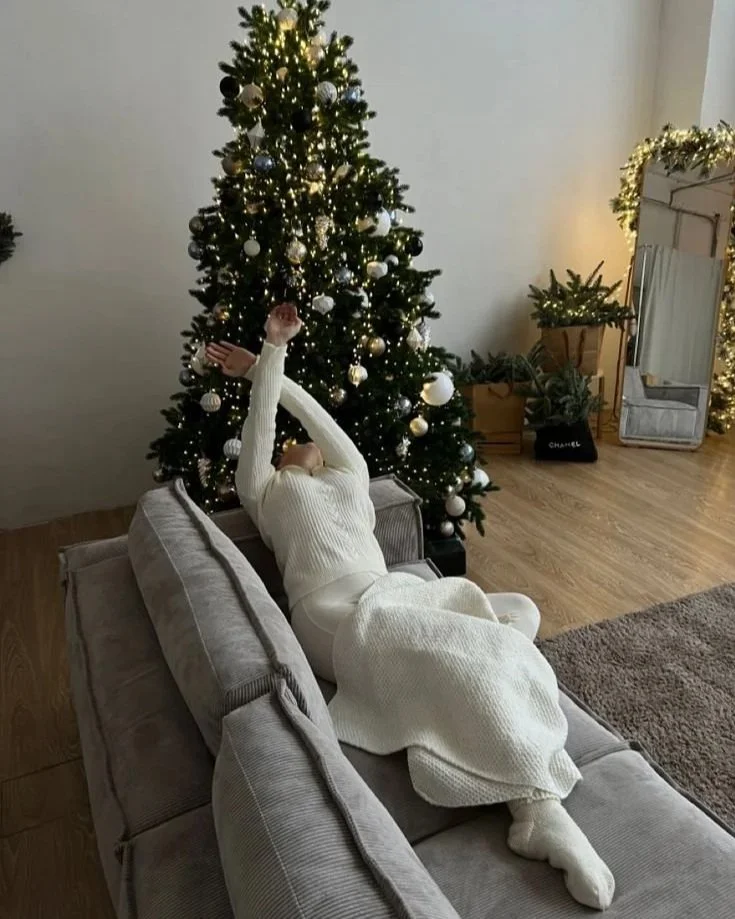
Pinterest @ylia_iva
There is a distinct hush that settles over the world once Christmas Day slips into memory. A kind of exhale shared across cities, small towns, and quiet rural spaces alike. It is not quite holiday, not yet a new beginning. It is a liminal stretch of time where clocks seem to tick more softly and the days feel suspended.
This fleeting window, the week between Christmas and New Year’s, has earned a growing cultural nickname: The Soft Pause.
It’s a concept that has gained momentum in recent years, but its essence is far older than any trend. Humans have long recognised the power of in-between spaces. Ancient calendars marked this period as a symbolic hinge between seasons. Many spiritual traditions viewed it as a time to step inward, reflect, and reset.
Today, in a world addicted to pace, productivity, and constant connection, The Soft Pause feels almost radical, and people are finally noticing.
The Quiet After the Crescendo
December is a month of crescendo. Social calendars fill, inboxes overflow, shops buzz, and emotions run high. But once Christmas has passed, the tone shifts dramatically.
The world collectively slows. Offices empty. Email replies pause. Even traffic quiets.
This abrupt deceleration creates a rare psychological spaciousness. Without deadlines or expectations, people slip into a gentler rhythm: late mornings, slow breakfasts, long walks, half-finished books, films watched under blankets, and conversations that stretch lazily into the afternoon.
For many, this week is the only time all year when the world is in sync with their desire to rest.
A Cultural Rhythm We Still Share
There are very few moments left in the modern era where society moves in unison. Weekends differ, holidays differ, lifestyles differ. But the days after Christmas remain one of the last collective pauses we experience as a culture.
This shared stillness is palpable. The world seems softer, more patient, more grounded.
Even those who continue working often describe the atmosphere as lighter and more forgiving. Expectations soften. Pressure melts. The calendar becomes more suggestion than obligation.
The Psychology of Liminal Time
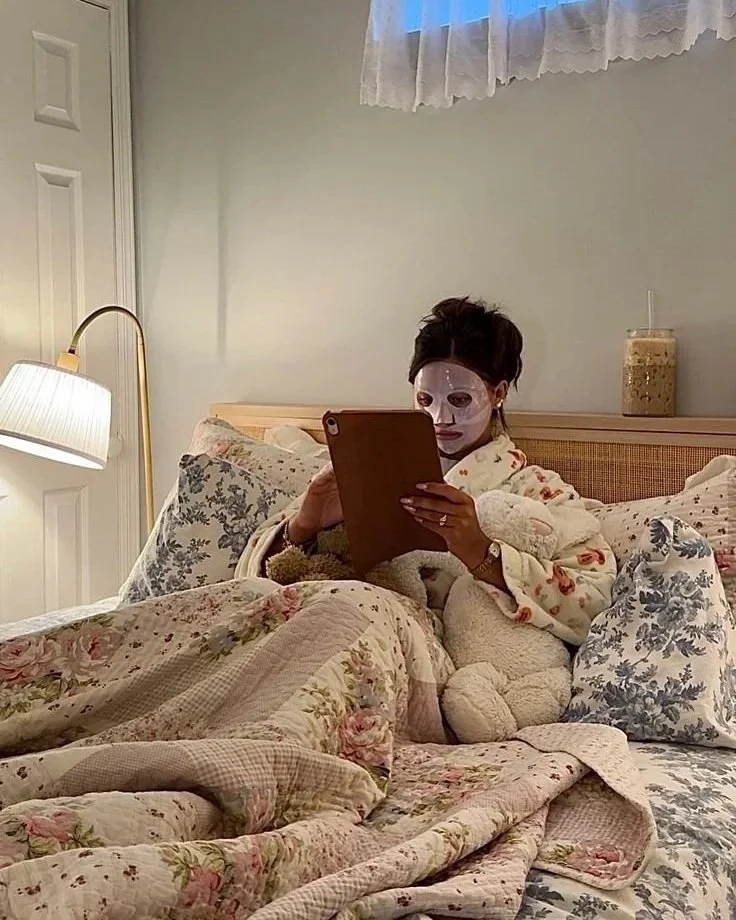
Pinterest @ywlsiza
Psychologists refer to the days between December 26 and January 1 as a form of “temporal liminality”, the threshold between what has been and what will be.
Humans crave beginnings. But equally, we need endings.
The Soft Pause gives us space to fully process the year before rushing into a new one. It is the emotional equivalent of a snow globe settling, bits of memory drifting slowly into place.
This time allow for reflection without urgency, rest without guilt, recalibration without pressure and imagination without structure.
It’s no wonder so many people describe this week as strangely peaceful, almost enchanted.
Rituals That Come Naturally
The Soft Pause invites gentle introspection, people intuitively create rituals around it, even if they don’t name them as such.
The Long Walk
Often the first thing people do when the rush fades is simply step outside. Crisp winter air, empty streets, the crunch of frost or snow. Movement without destination is its own kind of therapy.
Tidying and Resetting
Drawers get sorted. Som decorations may be slowly put away. Spaces are refreshed. It’s a physical clearing that mirrors internal shifts.
Nostalgic Media
Old movies, favourite books, childhood recipes. People reach for comfort and familiarity during liminal times.
Unstructured Creativity
Sketching, journaling, baking, organising photos, low-stakes creativity thrives when there’s no pressure to produce something meaningful.
Connection
Families linger together. Friends meet for casual afternoons. It’s social, but without the intensity of pre-Christmas gatherings.
These rituals aren’t planned. They simply happen, because The Soft Pause invites them.
A Countercultural Act of Rest
In an era obsessed with productivity, The Soft Pause stands out as one of the few socially sanctioned times where rest is not only allowed, but expected.
This week contradicts everything the modern world teaches. That more is always better. That speed matters. That we must constantly be doing.
Instead, it whispers a gentler truth. That stillness is essential. That reflection is powerful. That rest is not a luxury, it’s a rhythm.
When Time Feels Different

Instagram @matildadjerf
Many people describe an unusual feeling during this week: that time loses its edges. Days blur together. Hours expand. People forget what day it is.
This “time dilation” happens because our routines loosen and our brains stop tracking markers that usually structure our days. It’s the same phenomenon that makes vacations feel both long and short.
Instead of resisting it, embracing this timelessness can be deeply restorative.
A New Year Without Pressure
The beauty of The Soft Pause is that it invites preparation for the new year without forcing the typical “new year, new me” pressure.
Instead of intense resolutions, many people use this week to choose a focus word, plan small habits, reflect on growth rather than shortcomings, imagine the year ahead with curiosity and set gentle intentions.
This softer approach leads to more sustainable change and more self-kindness.
Why This Week Matters More Than Ever
As life becomes faster, noisier, and more digital, The Soft Pause is transforming from a pleasant coincidence into an essential cultural ritual. People crave quiet. They crave meaning. They crave space to reset.
This one week, this accidental sanctuary, offers exactly that.
The magic of the Soft Pause isn’t in productivity, or celebration, or accomplishment. It’s in the rare permission to simply be.
In a world that measures value by motion, The Soft Pause reminds us that some of the most important things happen when we are still.