The Power of Lists

Pinterest @solferrandiz
I have a confession: I am a list person. Not in the colour-coded, productivity-guru way. More in the quiet, sits-with-a-notebook, needs-to-get-it-out-of-her-head way. And over the years I have come to believe that lists are one of the most underrated tools we have, not just for organisation, but for the way we feel inside.
Let me walk you through mine.
The Limitless List
A few weeks ago I sat down and wrote a list of the things I would like to have. No context, no rules, just: what do I want? And what came out surprised me. It was so humble. So grounded. I looked at it and thought, that's actually not that far away from where I am. Then I did something different. I wrote another list, this time with zero limits. As if I could have absolutely anything, as if nothing was too much to put on paper. And something shifted just by doing that. Just by letting it out. There was a release I wasn't expecting, like giving yourself permission you had been waiting for someone else to give you.
And it turns out there is science behind why that feels so powerful. A study from Dominican University of California found that writing down a goal makes you 33% more likely to actually achieve it. Something about putting pen to paper makes the thing real, makes you accountable to it in a way that a passing thought never could. So that limitless list is not just a feel-good exercise. It is quietly working for you.
The List That Helped Me Sleep
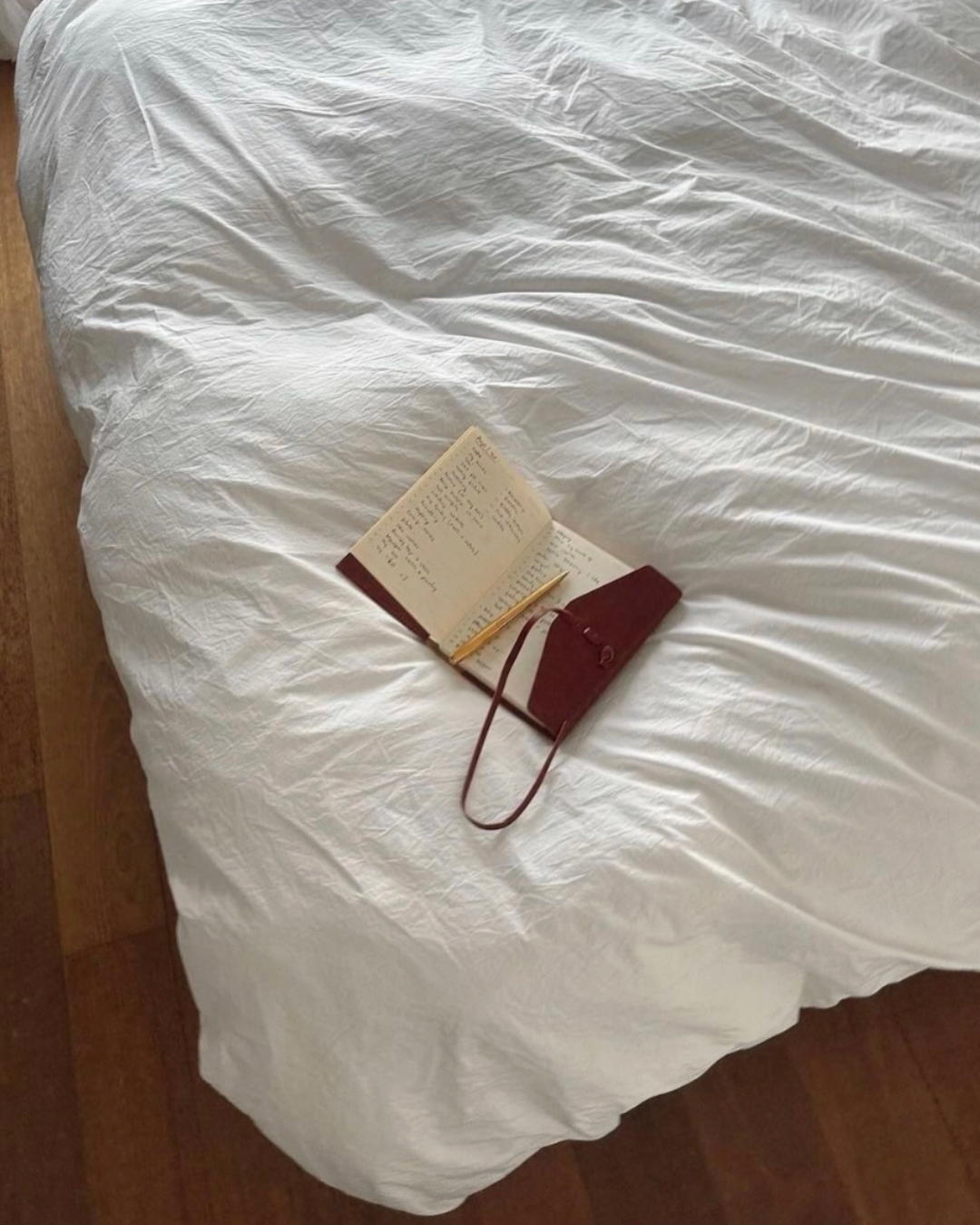
I came across a study recently that found writing down the things stressing you out before bed, getting them out of your head and onto paper, can significantly improve sleep. The science made sense to me but I needed to try it myself before I believed it. So I did. And I slept like a baby. There is something about the act of offloading your worries onto a page that signals to your nervous system: it is written down, it is held, you can rest now. Your brain no longer needs to stay awake holding all of it.
The Magic Lists
Pinterest @callmeyours
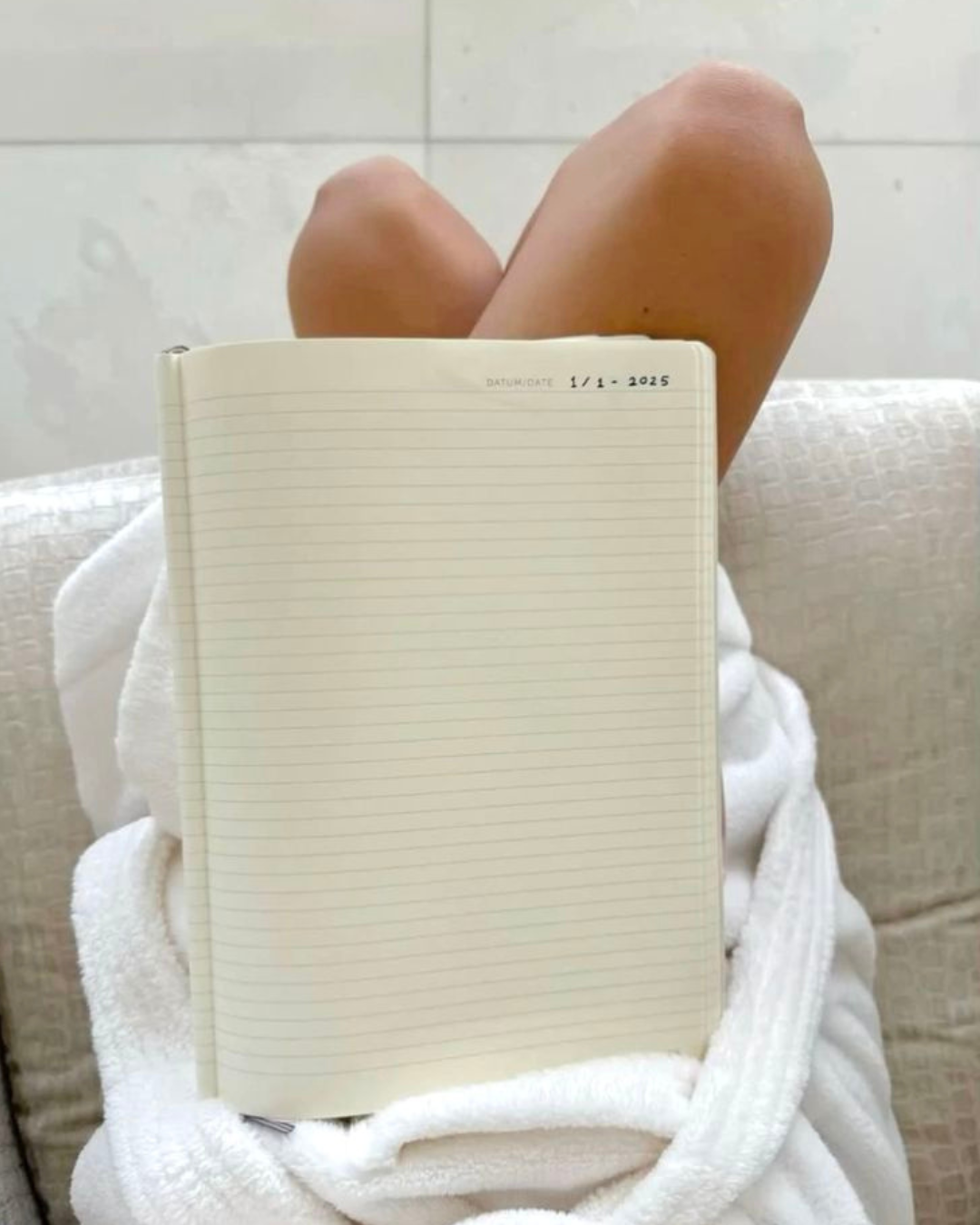
These are my favourite, and also the ones I am most precious about. I have been doing them for five years and I genuinely could not live without them. They are gratitude lists, but not the kind where you write "grateful for life, for family, for health" and close the notebook. That version, while sweet, misses the point entirely.
What I do is this. I sit in silence, and I think through my last twenty-four hours. Slowly. Like rewinding a film. I stay with it until I land on a specific moment, something small that made my heart feel light, something that made me smile even a little. It could be finding the pen I had been looking for all week. It could be a song that came on at exactly the right moment. It could be a stranger who held the door. I wait until I feel that warmth in my chest, that quiet spark of actual gratitude, and then I write it down.
And then something almost magical happens. Once that first specific thing is on the page, a cascade begins. One memory unlocks another, and another, and before long I have filled an entire page. That energy multiplies. You are recycling something good that already happened to you, and in doing so, you call in more of it. I know how that sounds. But five years in, I am not willing to argue with the results.
For these lists I would strongly recommend a dedicated notebook, one that is just for this. It matters that it feels like its own ritual.
Another Version
Different from the daily practice, and done less often, but equally powerful. This one you turn to when you are feeling low, or overwhelmed, or just a little grey. You sit down and you make a list of things that simply make you happy to be alive. Not achievements, not gratitude for what you have. Just the sensory, specific, ordinary magic of being a person in the world.
The smell of the sea on the first warm days of summer. A hug from your mother. A recipe that belongs to someone you love and tastes like them every time. A dog that comes bounding towards you on the street and lets you pet it like you are old friends.
You are not solving anything by writing this list. You are just reminding yourself of what is already there, waiting for you, always. And that reminder is enough to shift something. You cannot read a list like that and stay in the same mood you started with. It does not work that way.
Make it once in a while. Keep it somewhere you can find it.
The Wishlist
There is a very specific clarity that comes from writing down what you want to buy before you go buy it. I started doing this more intentionally and quickly noticed how many things I had been planning to purchase were just impulse, things I had seen and coveted in a scroll but did not actually want when I was sitting quietly with a pen. The list filters the noise. What is left on the page is usually much smaller, and much more aligned with what you genuinely need or love.
The Grocery List
Instagram @monavaynerchuk
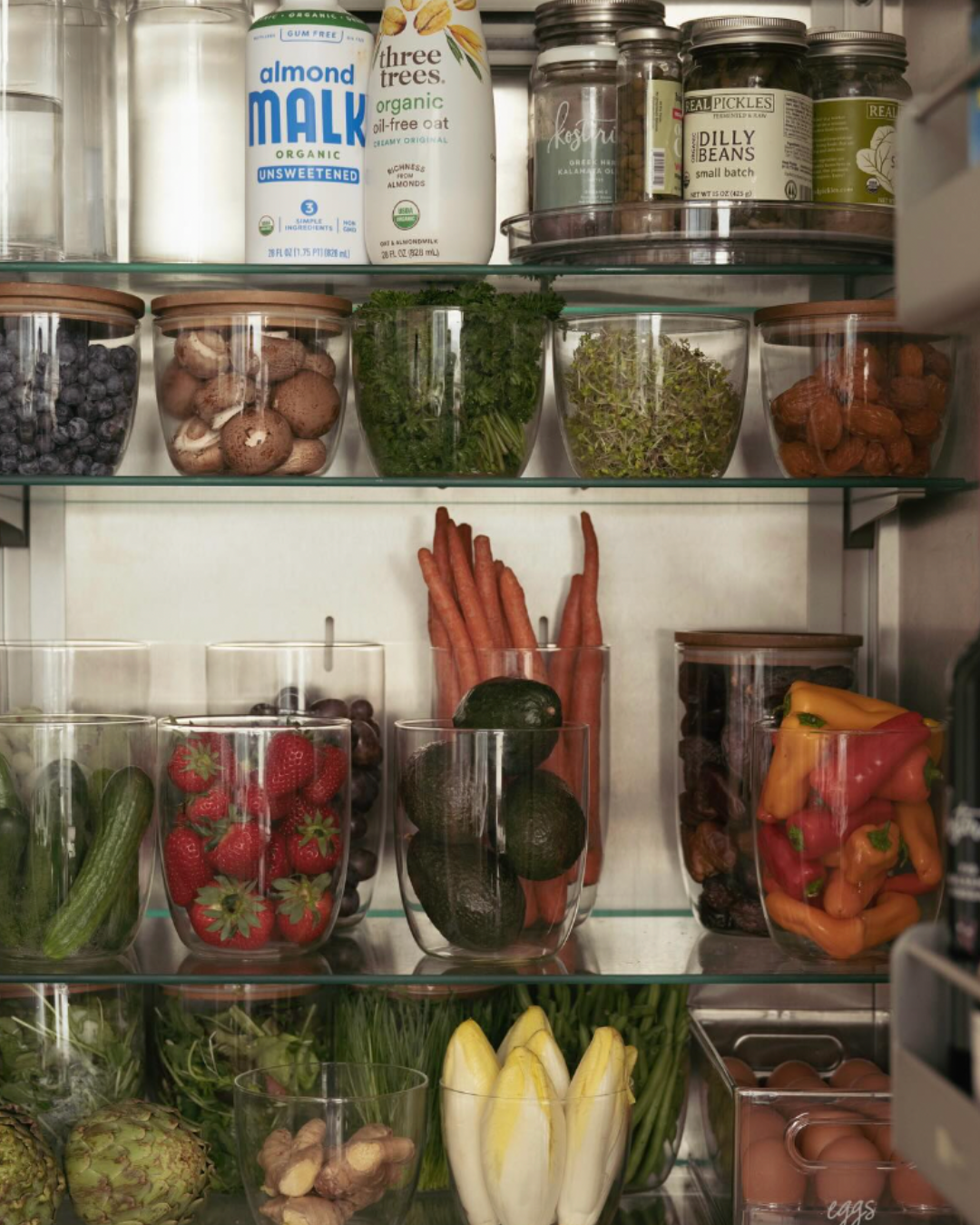
This one changed how I eat. When I plan my groceries around actual recipes, I know exactly what I am buying, how many people it is for, and in what quantities. Nothing goes to waste. I am not buying three things that almost go together but not quite, or reaching for whatever looks nice and hoping it becomes a meal. I go in with a plan and I come out spending less and eating better. If you are trying to be more conscious about your health, this is one of the simplest places to start.
The Brain Dump
We walk around thinking we have twenty things to do and no time to do any of them. Write them down. Actually write them all down. What usually happens is you look at the list and realise it is five things. Maybe seven. Not twenty. And from there you can see which ones are actually urgent, which ones can wait, and roughly how long each will take. The overwhelm was not the workload. It was the unstructured pile of it living in your head.
The Hobby List
Pinterest @junipermint42
A few years ago I fell into the world of traditional tea. And I mean fell, because it is a vast, overwhelming, beautiful rabbit hole that will swallow you whole if you are not careful. Every tea has its own origin, harvest method, processing technique, flavour profile, and history. Japanese green tea alone could take years to properly explore. I loved it, but it was a lot.
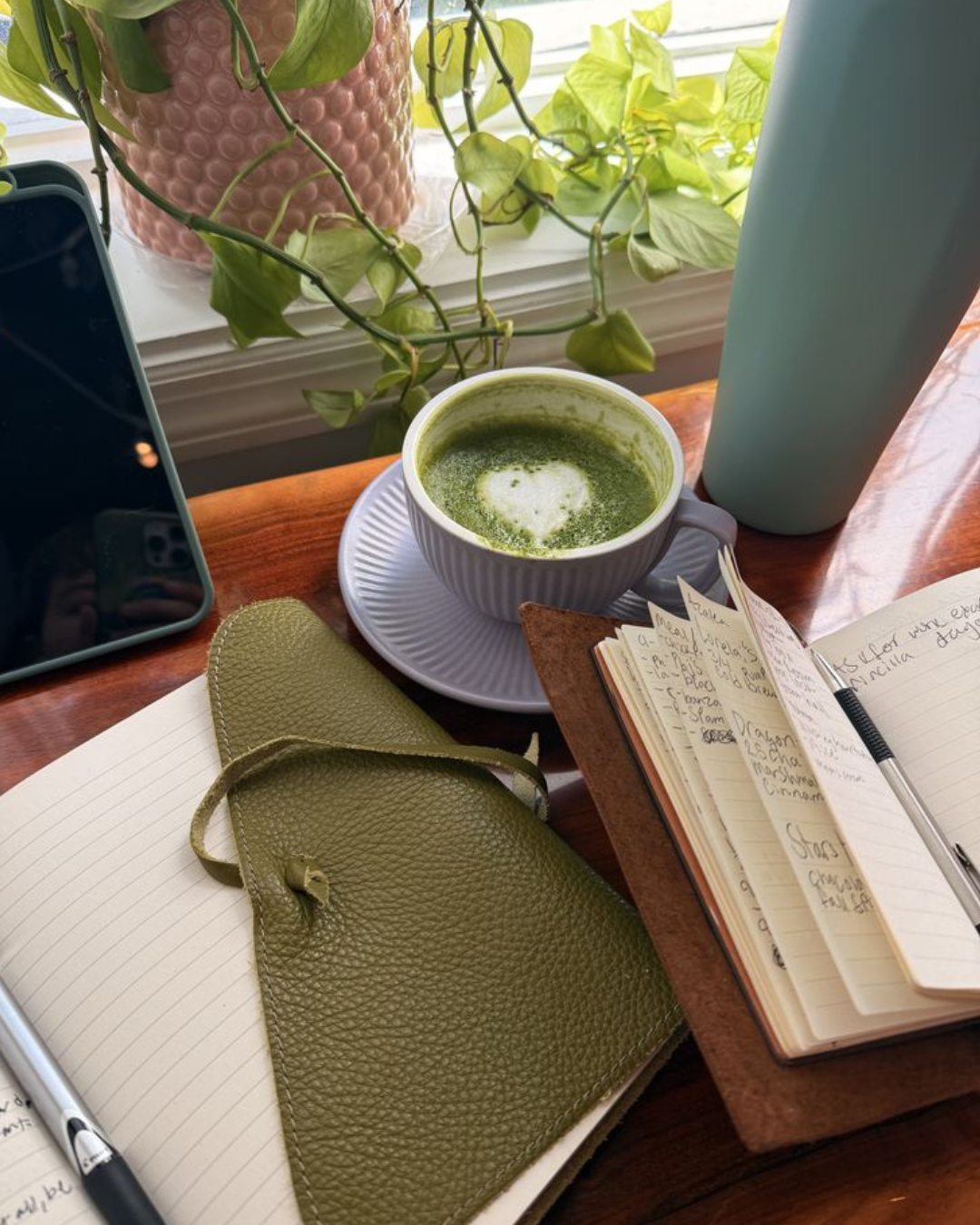
The idea that saved me came from Iris Law, a British model and actress who is also deeply into tea, and it was simple: get a dedicated notebook. So that is what I did. Every time I had the chance to try a new tea, whether in a ceremony or at a specialist tea shop, I would open my notebook and document it. The type of tea, where and how it was harvested, its origin, tasting notes, and then something more personal: how I felt after drinking it. What it brought up. What it made me think about.
What that notebook gave me was not just information. It gave me a relationship with the hobby. Hobbies develop over time, and when that development is scattered across your memory it is easy to feel like you are never getting anywhere, like it is all still a blur. But when it is written down, you can look back and actually see how far you have come. Your understanding has layers. Your taste has evolved. And there is something genuinely beautiful about returning to an early entry and remembering exactly how you felt the first time you tasted something that moved you.
I think this is what separates people who keep hobbies from people who leave them behind. It is not always about discipline or time. Sometimes it is just about having a place to put it all.
The Win List
This one I saved for last because it might be the most life-changing of all of them.
Every evening, before you close the day, you write down your wins. Not your goals, not your to-do list for tomorrow. Your wins. What you actually did today. And the rule is that they can be embarrassingly small. You drank water first thing in the morning. You sent the email you had been putting off. You went to bed before midnight. You made yourself a proper meal instead of whatever was easiest. All of it counts.
The reason this works goes deeper than motivation. Ian Robertson, a neuroscientist, writes about what he calls the winner effect, the biological reality that experiencing a win, any win at all, releases a specific mix of dopamine and testosterone in the brain that makes you more likely to win again. The loop reinforces itself every single time it fires. And the critical part is that your brain does not distinguish between a major victory and a tiny one. It just registers win. Which means you can manufacture that state deliberately, every single day, using the smallest possible material.
What happens after a few weeks of this is almost strange to witness in yourself. You start noticing potential wins throughout the day before they have even happened. You become unconsciously oriented towards progress without having to force it. The anticipation of writing it down at the end of the day becomes something you actually look forward to, a moment of honest acknowledgment that for a lot of people is something they have never consistently given themselves.
And over months, that list becomes something else entirely. On the days when nothing feels like it is working and you are convinced you are going nowhere, you can open that notebook and look at two hundred documented moments of showing up for yourself. The evidence is right there. Memory is a terrible judge of progress because it is wired to scan for threats and lean towards the negative. A written record is objective. It does not care how you feel today. It just shows you what actually happened.
Start absurdly small. Keep the list somewhere physical if you can. And never have a zero day, not a perfect day, just not a zero. One small thing written down is enough to keep the thread unbroken. And those threads, accumulated over weeks and months, become something you genuinely cannot explain until you are standing inside it.
Pinterest @wickedlvst
Lists, to me, are organiser boxes for the brain. And since your external world tends to reflect your internal one, there is real value in taking what is swirling around inside and giving it shape on paper, something you can look at, move around, and actually engage with. It does not have to be elaborate. A notebook and a pen is enough.