The Modern Renaissance Woman: Embracing a Multidisciplinary Lifestyle
I recently came across a term online called the modern Renaissance woman, used to describe a woman who cultivates a life rich in knowledge, creativity, curiosity and self-expression. Ultimately embracing many dimensions of herself that dismiss societal pressures surrounding gender roles and personal identity. It's about learning widely, exploring different interests, developing diverse skill sets and always staying open to personal and academic growth throughout life.
For women in particular, there is something deeply empowering about building a life that is intellectually, creatively and emotionally abundant. To understand why this philosophy feels so relevant today, it is worth looking at where the idea originated.
Where did the idea come from?
The concept begins with the word polymath, derived from the Ancient Greek word polymathes, meaning “having learned much”. A polymath is someone who possesses a wide array of knowledge and expertise across multiple disciplines, often making meaningful contributions to more than one field.
The roots of polymathy can be traced back to Ancient Greece, where intellectual curiosity and the pursuit of knowledge were highly valued and practised. One of the most famous examples of a polymath is Aristotle, whose work spanned philosophy, biology, ethics, and politics, profoundly influencing Western thought for centuries.
Though polymathy truly flourished during the renaissance period amid the arrival of classical learning and scientific exploration, pioneered particularly by Leonardo da Vinci, who is often considered the ultimate Renaissance man. Historically, women were rarely included in discussions of polymathy due to a lack of access to education, exclusions from intellectual circles and prevention from fully participating in public life. Their talents therefore went unrecognised or undocumented.
Today, however, women have unprecedented access to education, information and creative opportunities. As a result of this, many are reclaiming this multidisciplinary ideal and adapting it for the modern world, with lots of videos online covering topics on how to be a Renaissance woman. Though the Renaissance woman is slightly different from the polymath, in that the goal is not necessarily to be expertly knowledgeable in many disciplines, which is often not viable for modern lifestyles, rather it's about embracing the belief that a meaningful life can be built through curiosity, learning and continual self-development.
Why is this philosophy important for women?
Although significant progress has been made toward gender equality, women continue to face ongoing social pressures and expectations. We are often encouraged to make ourselves quieter or more agreeable. We are judged more heavily on appearances and constantly promoted products that keep us focused on how we look. We are expected to balance countless responsibilities and frequently questioned in ways that our male counterparts are not. Therefore, this ideology of striving to become a Renaissance woman can be a powerful and rebellious act of self-development and determination.
A woman who continuously learns, explores and expands her interests, develops a confidence that is rooted in her own capabilities rather than the need for external validation. Therefore, she becomes more difficult to stereotype, easier to adapt and less likely to be defined by a singular role or identity. The Renaissance woman creates space for herself intellectually and creatively. She sharpens her mind, broadens her perspective and invests in her own growth. Most importantly, she recognises that her value extends far beyond what she can offer for others. Her interests, passions and ambitions matter simply because they are a part of who she is.
Examples of Modern Renaissance Women
Whilst the actual Renaissance period was largely dominated by men, today's world offers many examples of women who embody the same spirit of curiosity and multidisciplinary achievement. Here are a few examples:
Emma Watson, known for her success in acting, also went on to pursue a degree in English Literature at Brown University. She's become a prominent advocate for gender equality through her work with UN Women and also continues to champion sustainable fashion and ethical consumption. She exemplifies the Renaissance woman through her ability to blend artistry, academia, activism and cultural influence, creating a cohesive and purposeful life.
Mae Jemison is a physician, engineer, astronaut and educator who became the first black woman to travel to space in 1992. She has devoted much of her career to education, technological innovation and inspiring future generations. She's perhaps one of the clearest examples of a modern Renaissance woman, challenging traditional ideas about what women can achieve.
Janelle Monae has built a creative career spanning music, film, fashion and social activism, continually pushing creative boundaries. Through both her art and public advocacy, she explores themes of identity, freedom, and self-expression. Her multidisciplinary approach serves as a reminder that creativity can extend across numerous disciplines.
What unites these women in their ambitious endeavours is their constant commitment to growth and a refusal to be confined by a single identity. They demonstrate that women can be multifaceted, ambitious and intellectually curious whilst remaining authentic to themselves.
Career benefits
Beyond personal fulfilment, cultivating a wide range of skills can provide significant professional advantages. As we are living through a period of rapid technological advancement, careers are becoming less linear and artificial intelligence is changing the way many people work and even posing a threat to the job market. In this economic environment, adaptability has become one of the most valuable qualities a person can possess.
Women who invest in multiple areas of learning often develop stronger problem-solving abilities, greater creativity and a broader understanding of the world. It's the skills gained through hobbies and personal interests that frequently translate into professional strengths. For example, writing improves communication, learning a language develops cultural awareness, and creative pursuits strengthen innovative thinking. Investing in our own knowledge and capabilities is one of the most reliable ways to remain adaptable in an ever-changing world.
The philosophy
Perhaps the greatest appeal of this philosophy is that it offers something deeper than just achievement. In modern culture, we are often encouraged to optimise every aspect of our lives and use the time we have to be productive, to constantly strive for some form of success. This is why the concept of the Renaissance woman offers a different approach. Learning for the enjoyment of it, creating for meaning, reading, exploring, questioning and expressing to enrich the inner world.
Whether through literature, music, art, philosophy, travel or intellectual exploration, she remains engaged with life in a way that extends beyond productivity. These pursuits cultivate curiosity, empathy, confidence and joy, reminding us that personal growth is valuable even when it cannot be measured. Ultimately, the Renaissance woman understands that a fulfilling life is built not solely through accomplishment but through engagement with the world around her.
How to embody the Renaissance Woman
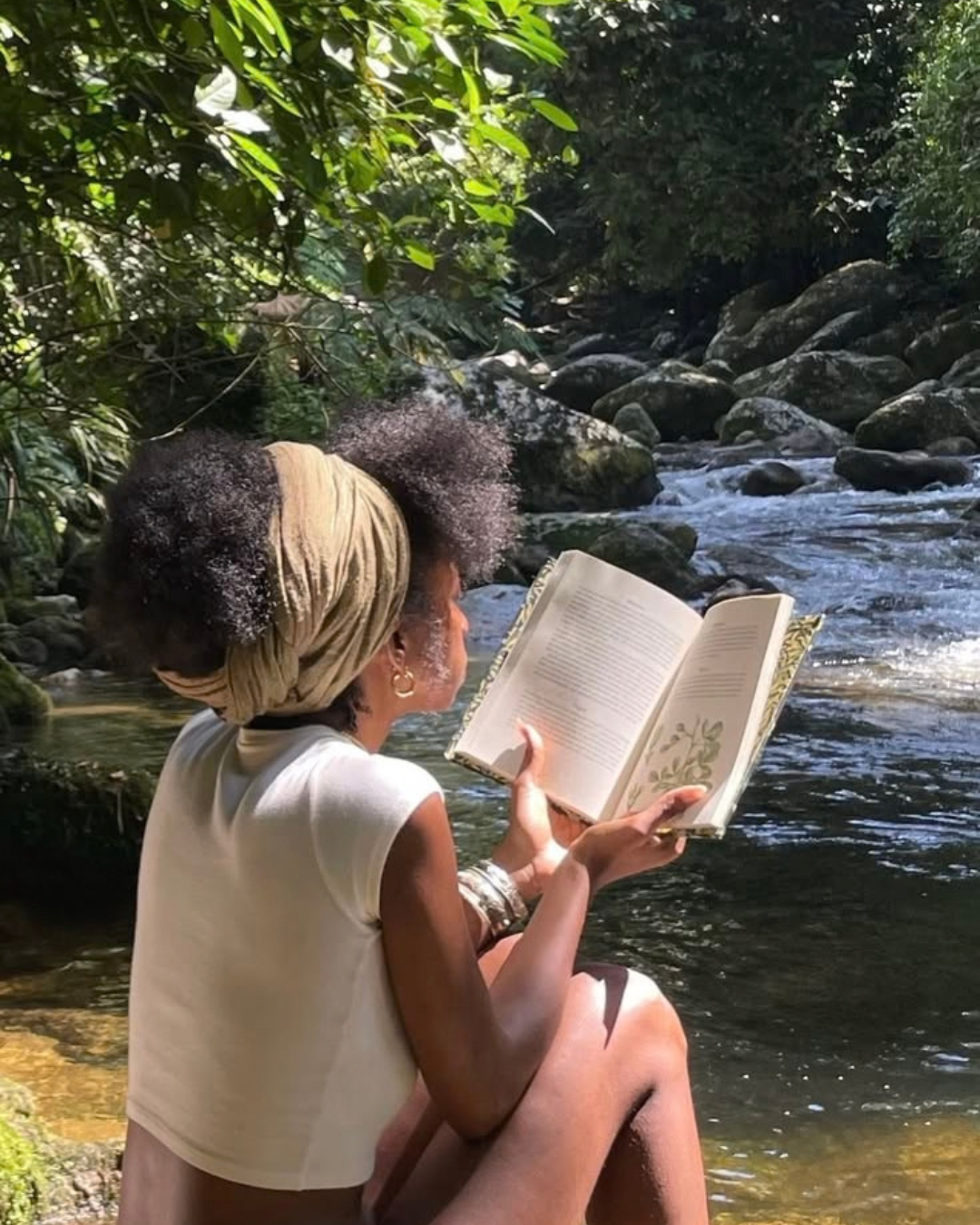
To embody the Renaissance woman you really only need one thing. Curiosity. Start by exploring interests that genuinely excite you and incorporate a creative hobby, an intellectual pursuit and a physical practice into your routine. This could involve painting, learning a rare language, taking dance classes, hiking or practising yoga. Read widely across different subjects, listen to podcasts outside your area of expertise, visit museums, attend lectures, enrol in short courses and allow yourself to freely follow your desired interests.
It's important to resist the urge to monetise every passion, turning everything you love into a side hustle can lose the appeal of the activity as something existing purely for enjoyment, self-expression and personal enrichment. The goal is not to become an expert in everything, but to remain open, engaged and willing to grow. Over time, these acts of curiosity and learning will accumulate into a broader perspective, deeper confidence and ultimately a richer life.
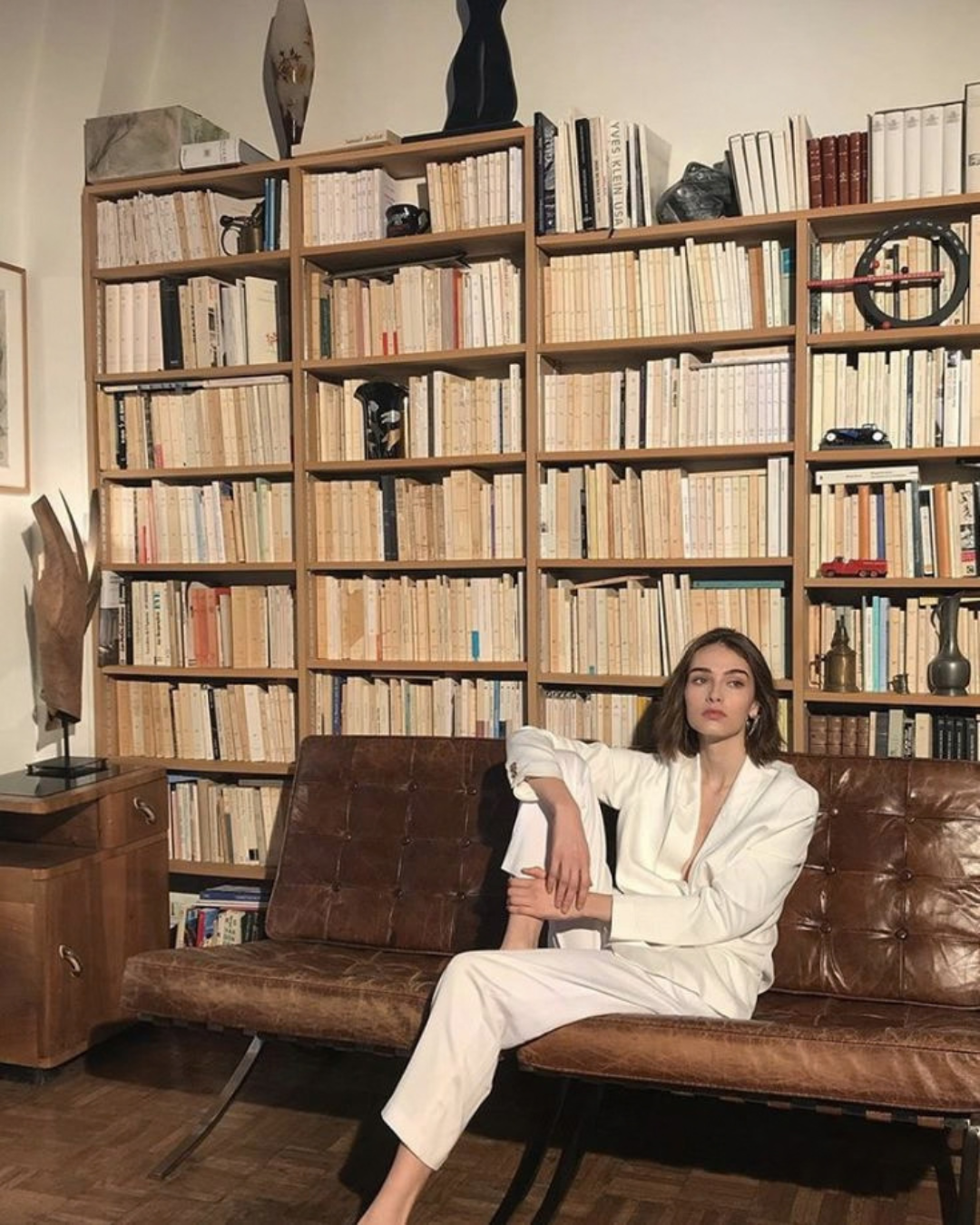
As humans, we are not meant to fit neatly into a single category, we are capable of learning, creating, evolving and reinventing ourselves throughout our lives. For women especially, embracing a multidisciplinary lifestyle can be an act of empowerment. It expands opportunities, strengthens confidence, nurtures creativity and creates a rich inner world.
Embody the spirit of the Renaissance woman by choosing to remain curious and to never stop learning.