The Modern Art of Articulation

Pinterest @oykuezo
For a long time, I associated being well spoken with a certain polish that felt almost theatrical, as though it required a refined accent, elevated vocabulary, and a kind of distance from everyday language. But the more I have paid attention to how people actually communicate, the more I have realised that true eloquence is far quieter and far more intentional. To be well spoken is not to perform, but to connect. It is the ability to express a thought with clarity and ease, without making the listener work to understand you. I have also come to recognise that using overly complex words often creates an unnecessary barrier. It can make speech feel inaccessible, even isolating. What feels far more compelling is the ability to take something intricate and explain it simply, almost effortlessly, in a way that invites the listener in. In that sense, being well spoken is not about elevating yourself above others, but about closing the gap between what you mean and what others understand.
Clarity Begins with Thought
I have noticed that whenever my thoughts feel rushed or disorganised, my speech mirrors that same lack of structure. Words begin to overlap, ideas lose their shape, and what I am trying to say becomes less effective. There is a certain discipline in allowing myself a brief pause before speaking, just enough to understand what I truly mean. It is not about overthinking or rehearsing every detail, but about having a sense of direction. When I know the essence of what I want to say, the words tend to follow more naturally. This small habit has made my speech feel more composed, and it has reduced the tendency to ramble or repeat myself unnecessarily.
Building a Strong but Natural Vocabulary

Pinterest @coooco777
There was a time when I believed that sounding articulate meant choosing the most sophisticated word available, even when it did not quite fit. Over time, I have realised that the strength of vocabulary lies not in its complexity, but in its precision. The most effective word is often the one that feels natural within the sentence, not the one that stands out. Reading has shaped this understanding in a subtle but lasting way. Through novels, essays, and carefully written articles, I have encountered language that feels both refined and accessible. Exploring different genres has also helped me understand how ideas are built and expressed, from storytelling to argument and reflection. It has quietly strengthened my sense of structure, showing me how words and sentences come together to form something coherent and engaging. These words do not demand attention, but they carry meaning with ease. Gradually, they become part of my own way of speaking, without any sense of effort or performance.
The Importance of Pronunciation
Clarity in pronunciation has become something I pay far more attention to than I once did. It is easy to assume that ideas alone carry weight, but the way they are delivered matters just as much. When words are not pronounced clearly, even the most thoughtful sentences can lose their impact. I have found that listening closely to well spoken individuals, whether in interviews, lectures, or conversations, has helped me become more aware of how words should sound. Occasionally practising aloud, even in private, has also made a noticeable difference. It creates a familiarity with language that allows speech to feel smoother and more assured in everyday situations.
Speaking at the Right Pace

Pinterest @judithjacobo024
The rhythm of speech is something I have gradually learnt to appreciate. When I speak too quickly, my words tend to blur together, and the intention behind them is lost. It can give the impression of nervousness or a lack of control. Slowing down, even slightly, allows each sentence to be understood more clearly. It also gives me the space to think as I speak, rather than rushing ahead of my own thoughts. Pauses, which I once avoided, now feel essential. They create emphasis, allow important ideas to settle, and give the entire conversation a more composed and thoughtful flow.
Reducing Filler Words
Becoming aware of my use of filler words was an unexpected turning point. Words like “um”, “like”, and “you know” often slipped into my speech without intention, filling spaces that did not necessarily need to be filled. While they can make speech feel informal, overusing them weakens the overall impact of what is being said. I began to notice how often I relied on them, especially when I felt unsure or rushed. Replacing them with silence felt uncomfortable at first, almost too deliberate, but over time it has made my speech feel more controlled and confident. There is a certain strength in allowing a moment of quiet instead of immediately filling it.
Confidence Through Practice
Confidence in speaking has not been something I have acquired all at once. It has developed gradually, shaped by repeated experiences and a growing sense of comfort. The more I engage in conversations, whether formal or casual, the more natural speaking begins to feel. I have realised that confidence is not about dominating a conversation or speaking the loudest, but about feeling at ease with my own voice. It is about trusting that what I have to say is worth expressing, without overcompensating or holding back. One thing that has helped me in a very practical way is recording myself while speaking and then listening back to it. At first, I try not to judge or criticise, but simply to notice what I am doing, whether it is my pace, clarity, or use of filler words. Writing these observations down makes it easier to see patterns. When I record again, I become more aware of those small details, and over time, they begin to improve. This kind of confidence feels steady rather than forced, and it grows with consistent practice.
The Role of Listening
Pinterest @haroldvintage
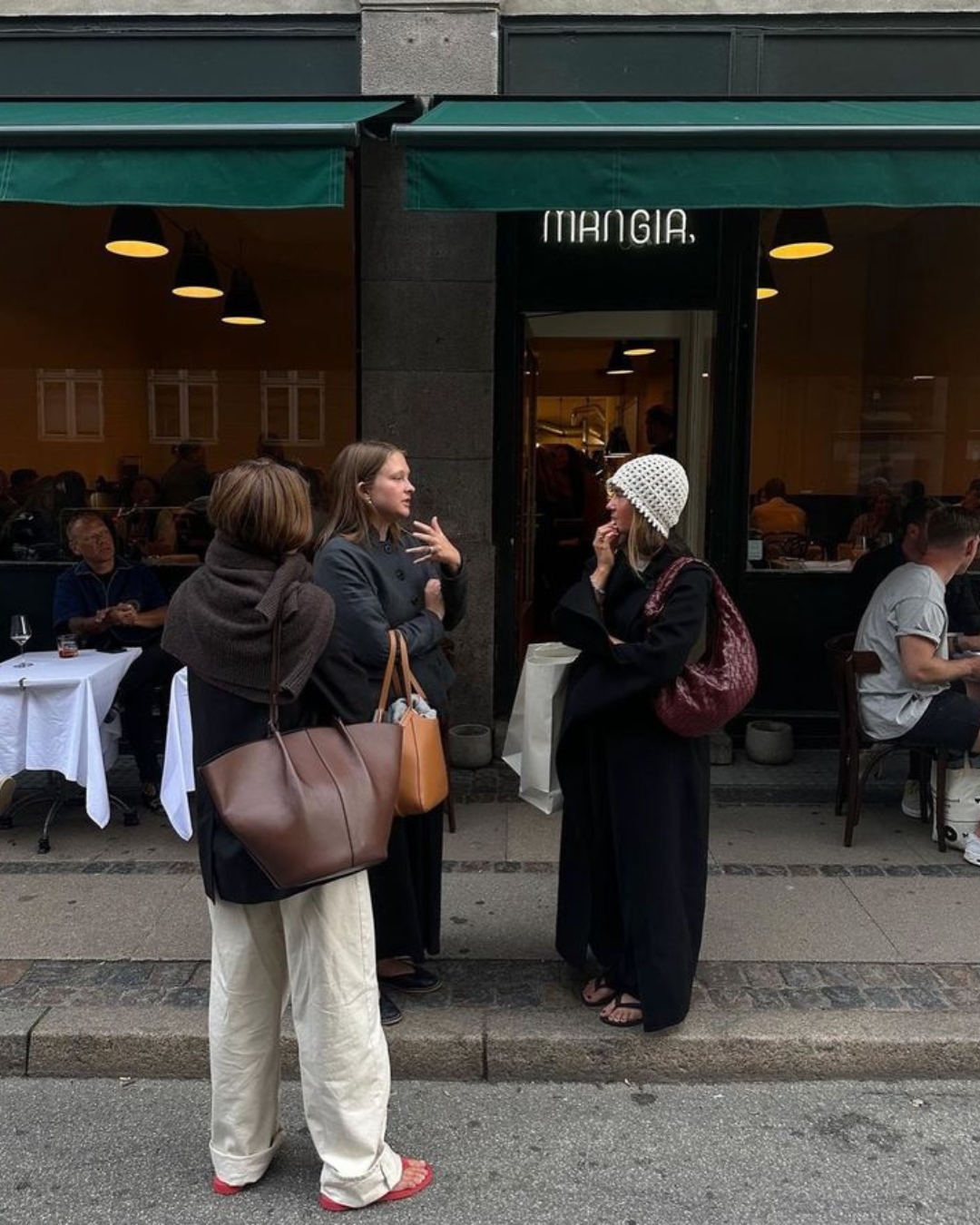
One of the most significant shifts in how I approach communication has come from learning to listen more attentively. I used to focus on what I would say next, often preparing my response before the other person had finished speaking. Over time, I have learnt to listen with the intention of understanding rather than replying quickly. This small change has made conversations feel more meaningful and less rushed. When I fully absorb what someone is saying, my response becomes more thoughtful and relevant. Listening, in this way, is not passive, but deeply active, and it shapes the quality of everything that follows. I have also found that listening to podcasts can be surprisingly helpful. Paying attention to how speakers structure their sentences, choose their words, and carry their tone offers a quiet form of learning. Even the way they maintain a calm presence, through their pacing and delivery, reflects a sense of confidence that gradually becomes easier to recognise and adopt in my own way of speaking.
Consistency Over Perfection
I no longer see being well spoken as something to perfect, but rather something to refine over time. It is not about sudden transformation, but about small, consistent improvements. Speaking a little more clearly, choosing words more carefully, and allowing myself to slow down are changes that gradually become habits. There is a quiet reassurance in knowing that progress does not have to be dramatic to be meaningful. Over time, these small shifts shape a way of speaking that feels both natural and intentional.
Conclusion
Being well spoken, to me, is ultimately about clarity, confidence, and connection. It is not about impressing others or creating an image, but about expressing myself in a way that feels genuine and easy to understand. It allows conversations to feel more engaging, ideas to be communicated more effectively, and interactions to feel more considered. With time, patience, and awareness, it becomes less of a skill I am trying to develop and more of a natural extension of how I think and speak.