The Eclipse: When the Moon Meets the Sun
Tomorrow, the sky puts on a spectacular show. Here’s how to experience the 2026 solar eclipse - safely.
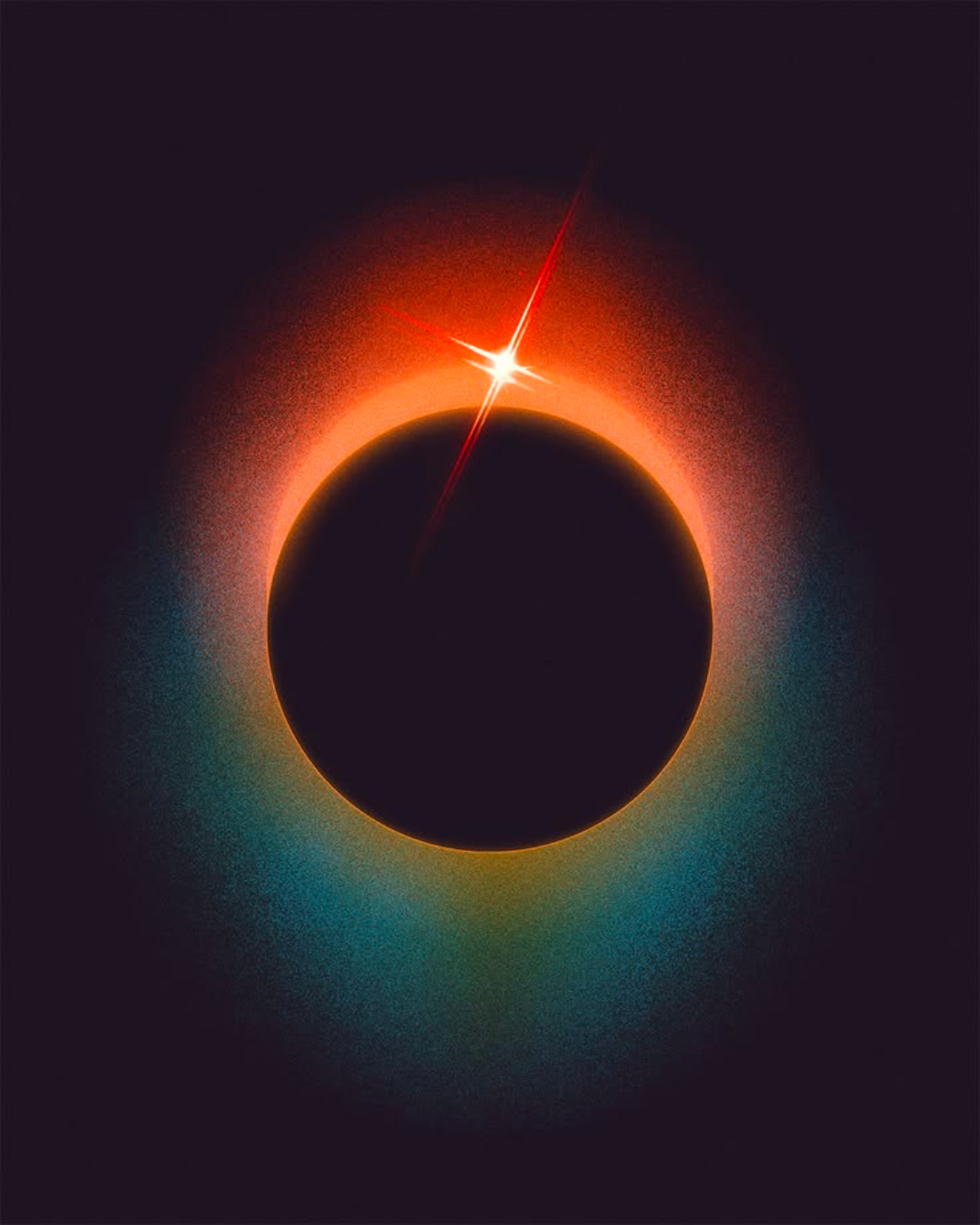
There are moments when the world seems to hold its breath. Tomorrow, Wednesday 12 August, will be one of them.
As the Moon passes between the Earth and the Sun, daylight will begin to change. The light will soften, shadows will become unusual and, for a little while, the familiar August sky will feel distinctly different.
For those fortunate enough to be beneath the path of totality, the experience will be extraordinary. Across parts of Greenland, Iceland and northern Spain, the Moon will completely cover the Sun, briefly transforming day into an eerie twilight and revealing the Sun’s delicate corona.
For the rest of us, the spectacle will be partial, but no less worth experiencing.
Across the UK, roughly 90–96% of the Sun will be obscured at maximum, depending on where you are. In London, the eclipse begins at around 6.17pm, giving us an opportunity to watch the light change as the evening begins.
And perhaps that is the loveliest way to approach an eclipse: not as something to rush towards, but as an excuse to pause.
Pour a drink. Sit outside. Invite friends over. Have dinner in the garden. Find a quiet spot with an open view of the sky.
Then, when the Moon begins its passage across the Sun, simply notice what happens around you.
The temperature may dip. The quality of the light will change. Shadows can take on strange shapes. Even the smallest details of the landscape can suddenly feel unfamiliar.
It is a reminder that, despite our busy lives and endlessly connected world, we are still part of something much larger. A small planet moving through space, with the Sun and Moon occasionally aligning to give us a moment of wonder.
But please: don’t look directly at the sun.
This is the most important part.
Never look directly at the Sun during the partial eclipse without proper solar viewing protection. Ordinary sunglasses, even very dark ones, are not safe, and neither are cameras, binoculars or telescopes unless they have the correct solar filters fitted specifically for that equipment. Looking at the Sun without appropriate protection can cause serious and potentially permanent eye injury.
If you have certified eclipse glasses or a handheld solar viewer, use them exactly as directed and check that they are undamaged before viewing.
No glasses? Try a pinhole projector
You can still enjoy the eclipse without looking at the Sun itself.
A pinhole projector is a simple form of indirect viewing. Make a tiny hole in a piece of card or aluminium foil and allow sunlight to pass through it onto a second, light-coloured surface. The tiny projected image will show the shape of the eclipsed Sun.
The important rule is simple: your back should be to the Sun, and you look only at the projected image - never through the pinhole towards the Sun. NASA and the Royal Observatory both recommend pinhole projection as a safe way to observe an eclipse without looking directly at it.
You can even create natural pinhole projections without making anything at all. During the partial eclipse, the tiny gaps between the leaves of a tree — or the spaces between crossed fingers — can project multiple little crescent Suns onto the ground.
It is wonderfully simple, and rather beautiful.
So tomorrow, make an occasion of it.
Step away from the screens. Gather outside. Watch the shadows. Notice the changing light. And let the sky provide the entertainment.
The eclipse itself will be brief.
The feeling of having stopped to watch it may last considerably longer.
Look up - but look safely.
Eye Health Disclaimer
Boa Vida is providing this information for general educational purposes and not as medical advice.
Looking directly at the Sun during a partial solar eclipse, without appropriate solar viewing protection, can cause serious and potentially permanent eye damage. Do not use ordinary sunglasses, homemade filters, cameras, binoculars or telescopes for direct solar viewing. For direct viewing, use appropriate, undamaged solar viewing equipment designed for the purpose.
If you have any concerns about your eyesight or experience visual symptoms after solar exposure, seek advice from a qualified eye-care professional promptly.