Stop Running From Boredom
We’ve built entire lives around avoiding a single, uncomfortable feeling. And in doing so, we’ve evacuated the most creative place in the human mind.

Instagram @hannaschonberg
Here’s something worth sitting with: the best idea you’ve ever had probably didn’t arrive while you were working. It arrived in the shower, or mid-walk, or in that strange liminal space just before sleep. You weren’t trying. You were, by most modern definitions, wasting time.
We tend to file that away as a pleasant coincidence, and then immediately fill every remaining gap in our day with noise.
What if that wasn’t a coincidence? What if the shower wasn’t where the idea happened to surface, but the only kind of place it could?
The Disappearing Gap

Boredom has been almost entirely engineered out of modern life. Not accidentally, deliberately. The same psychological mechanisms that make slot machines compulsive have been woven into the interfaces we carry everywhere. Infinite scroll. The small, unpredictable hit of a notification. These aren’t design flaws. They’re the product.
The result is a life with no real pauses. You stand in a queue and reach for your phone. You sit with your coffee and open a feed. You wake up and, before you’ve even located yourself in time, you’re consuming. The gaps that used to just be part of being alive have been filled so completely that their absence has become invisible to us.
What’s strange is how much we’ve come to mistake that fullness for richness. More input, more stimulation, more connection, it feels productive. But a lot of what we call productivity is just motion. And motion is not the same thing as thought.
What The Brain Does When You Stop

Instagram @canonfan2010
There’s a network of regions in your brain that neuroscientists call the default mode network. For a long time, researchers thought it was just the brain idling, background noise, the engine ticking over between tasks.
They were wrong. Spectacularly wrong.
The default mode network is where your most sophisticated cognitive work happens: the sense of who you are, the ability to understand other people’s interior lives, the simulation of futures not yet lived. And creative insight, the sudden unexpected connections, the solutions that arrive fully formed, that’s the default mode network too.
Here’s the catch: it cannot run while you’re consuming. Scroll through a feed and the DMN goes quiet. Watch something and it dims. Even a podcast suppresses it. The default mode network requires genuine emptiness to activate. Not relaxation exactly, but a particular quality of unoccupied attention.
Which means every time you fill a gap, you’re not just passing time. You’re crowding out the only space where certain kinds of thinking can happen at all.
A Practice, Not A Philosophy
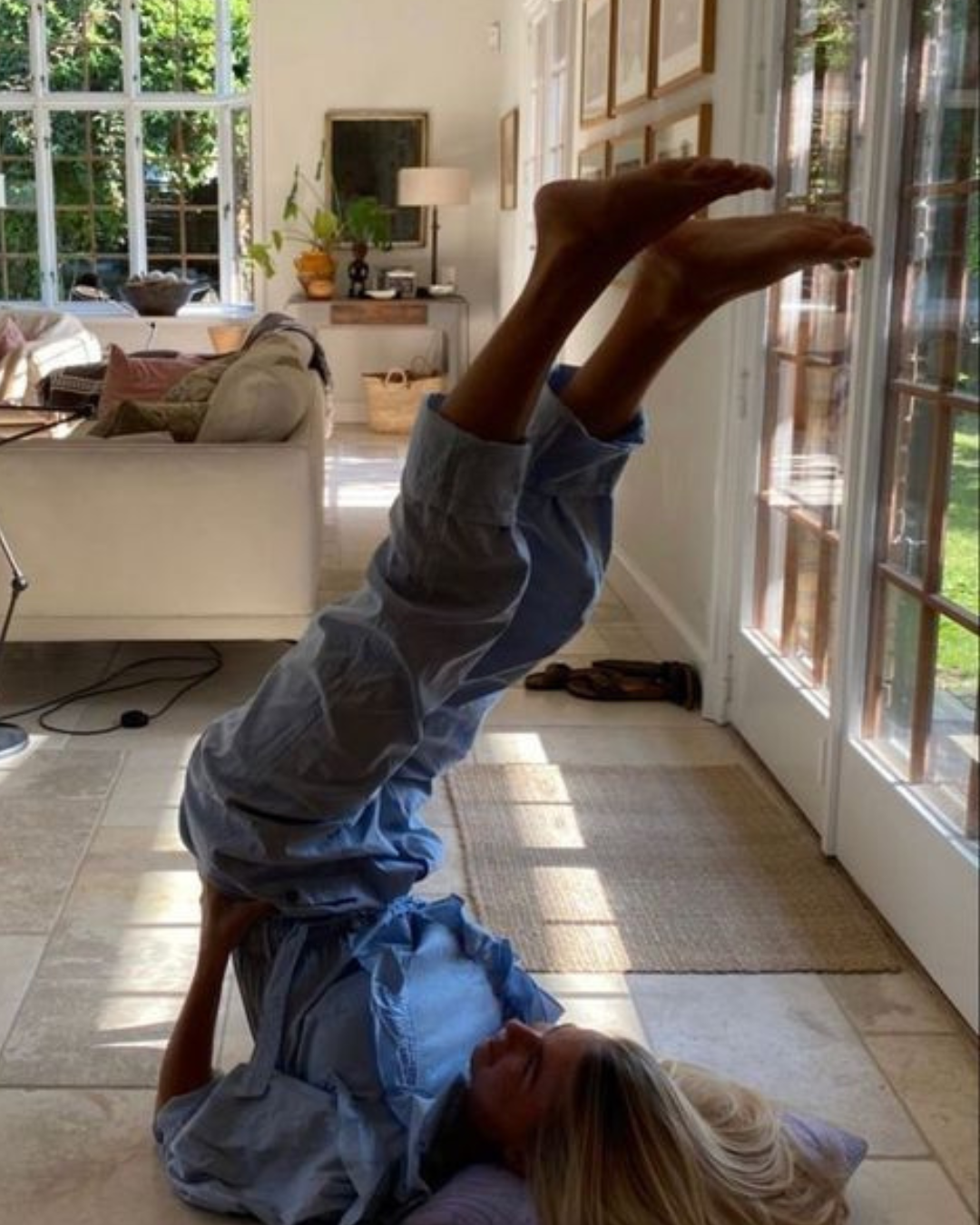
This isn’t an argument for doing less or slowing down or any of the familiar decluttering advice. It’s simpler than that. It’s about recovering a few minutes each day where nothing is coming in.
Notice the reflex before you act on it. The reach for the phone isn’t a decision, it’s a conditioned response. Just noticing it, just putting a half-second of consciousness between the boredom and the scroll, is the beginning of something.
Hold still for three minutes. When discomfort arrives, don’t fill it. Look at the ceiling. Let your mind wander wherever it wants to go. The first minute feels unbearable. The third starts to open.
Do one boring thing daily without filling it. Walk without headphones. Wash dishes without a podcast. Eat breakfast without a screen. These are the conditions under which interesting things happen.
Before hard creative work, do something mundane first. Ten minutes of something mindless, folding laundry, a slow walk, isn’t procrastination.
The philosopher Blaise Pascal observed, before screens, before radio, before any of it that most human suffering stems from our inability to sit quietly alone. He was watching the richest, most powerful people in France pick fights and throw parties and pursue scandal. Not because they wanted those things, he argued. But because the alternative was too uncomfortable to face.
Technology has changed. The running hasn’t.
Your best ideas are waiting in the place you keep skipping past. The good news is you don’t have to go far. You just have to stop, for a moment, and let the silence be there.