The Soft Companionship of Herbs

Pinterest @heyvamin
Long before wellness became globalised, herbs were already travelling quietly through cultures, carried in memory, in trade, in migration and in kitchens that adapted to new climates.
Every region developed its own language of care. In India there was tulsi for immunity, turmeric for inflammation, ajwain for digestion and brahmi for mental clarity. In China, ginseng for energy, goji berries for nourishment and chrysanthemum for cooling the body. In the Mediterranean, rosemary for circulation, sage for the throat and chamomile for sleep. In Africa, moringa for strength and hibiscus for blood health. In Latin America, yerba mate for alertness and boldo for the liver. None of these were introduced as trends. They were part of ordinary days, added to water, to broths, to oils, to steam. The methods were different, but the intention was the same. Support the body gently and consistently so that illness did not have to become the starting point of care.
From Local Kitchens to A Shared Global Rhythm
What feels new now is not the use of herbs but the recognition that these traditions were always speaking to one another. Warm herbal teas in one culture mirror kadhas in another. Bitter tonics before seasonal change exist in multiple geographies. The practice of boiling leaves, seeds or roots and drinking them slowly is almost universal. It suggests that the idea of healing through plants was never alternative. It was simply daily life. Returning to these rituals today creates a sense of connection that moves beyond geography. A cup of chamomile at night, a glass of jeera water in the morning, ginger steeped for warmth, peppermint for digestion. Each comes from a different part of the world, yet they perform the same quiet work of balancing the body
Maintenance Instead of Urgency
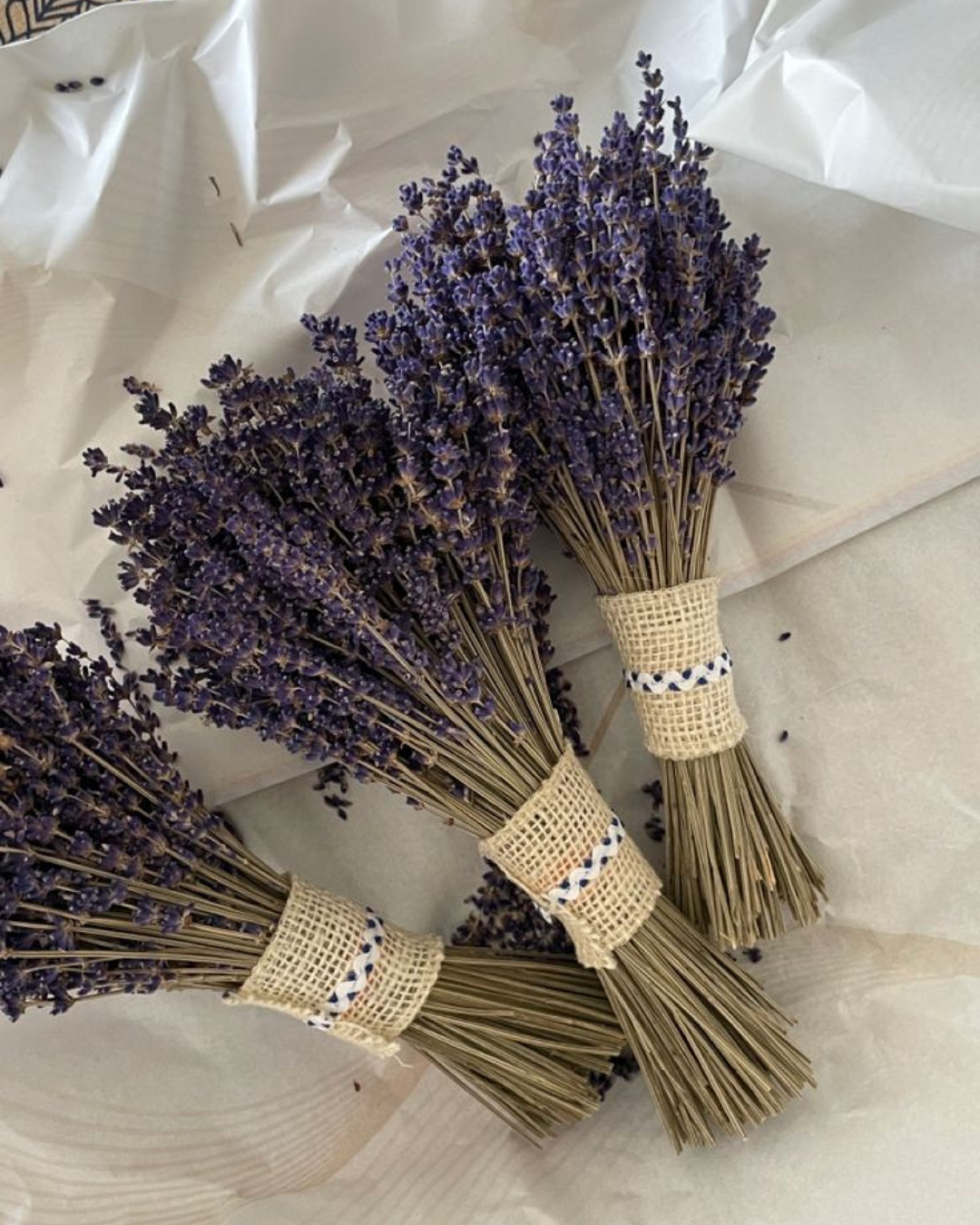
Pinterest @selfcareaga
Across these traditions there is a shared understanding that herbs are not taken for dramatic results. They are woven into routine. A spoon of soaked fenugreek, a handful of fresh mint crushed into water, nettle for mineral support, ashwagandha for stress, lavender for calm. They act slowly, building resilience rather than forcing visible change. This changes the relationship with health. It becomes preventative and rhythmic, something that exists in the background of a normal day rather than a response to discomfort.
Beauty As A Reflection of Internal Balance
The link between herbs and appearance is also global. Amla for hair growth, hibiscus for skin clarity, aloe for repair, rose for cooling and hydration. These are not used in isolation but as part of a wider understanding that digestion, sleep and circulation are reflected on the face and in the body. The glow associated with herbal living is never immediate. It is the result of steady nourishment that begins internally.
The Sensory Memory of Care
No matter the country, the preparation follows the same emotional pattern. Water warming on a stove, the smell of crushed leaves, the waiting for colour to deepen, the warmth of the cup held in both hands. These acts create a pause in the day and that pause itself becomes therapeutic. For many it recalls childhood, being given something bitter and being told it was good for the body, not fully understanding but feeling cared for. Returning to herbs now recreates that atmosphere of attention and safety.
A Quieter Definition of Luxury
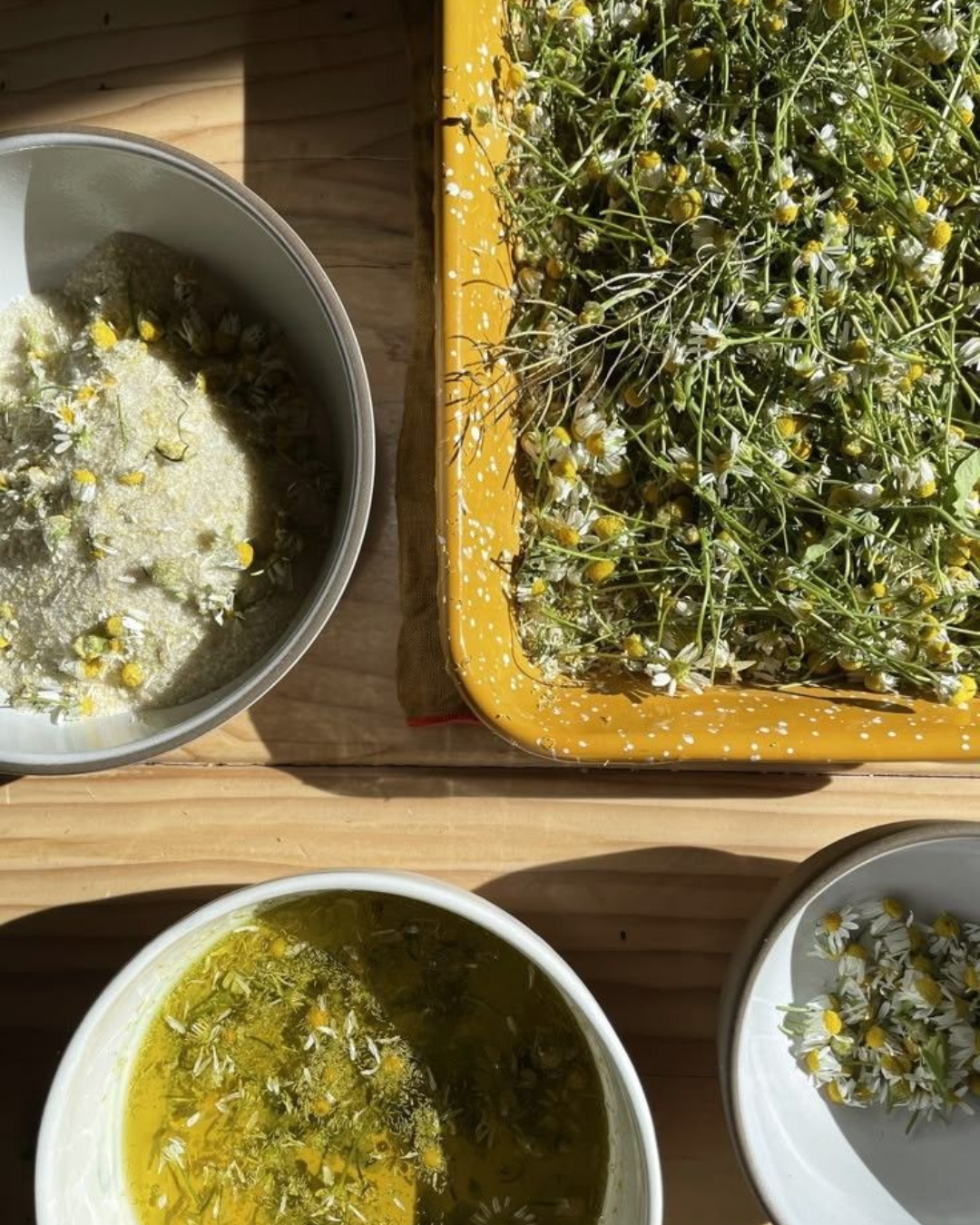
Pinterest @mommaIssy
In a time where wellness often arrives in packaging, herbs remain simple and accessible. They sit in glass jars, in cloth bags, in small bunches tied with thread. Their power lies in repetition, not in novelty. A daily infusion of lemon balm for the nerves, holy basil for immunity, chamomile for reducing stress and anxiety, dandelion for detoxification, fennel for lightness after meals. Over time these small acts create a life that feels supported from within.
A Shared Language of Healing
What becomes clear when looking across cultures is that herbal care was never about curing everything. It was about companionship. A steady presence that helped the body remain balanced through seasons, stress and change. The plants differed, the flavours changed, the names shifted, but the philosophy remained constant. Healing did not have to be loud or immediate. It could be quiet, consistent and deeply personal.
The Return to Everyday Support
The renewed interest in herbs is not only about health. It is about reclaiming a pace of life where care is built into daily routine. A morning drink for digestion, an evening infusion for sleep, a weekly oil for the scalp, steam for the face when the weather changes. These are not treatments. They are gestures of attention repeated often enough to become identity. In that repetition the body begins to trust its own rhythm again.
The Luxury of Being Held Together Gently
Herbs do not transform overnight. They create something more subtle and more lasting. Steadier energy, calmer skin, deeper sleep, a sense that wellbeing is no longer something to search for because it is already being practised in small, consistent ways. Across continents and climates the message has always been the same. Care for the body a little every day and it will carry you differently through the world.