Parasympathetic Living: Why Calm Might Be the Most Powerful Form of Wellness

Pinterest @orcinusa
Lately I have been noticing a strange kind of tiredness. Not the dramatic kind that follows a sleepless night or a particularly stressful week, but the quieter version that sits in the background of everyday life. The kind where nothing is technically wrong, yet the body feels slightly tense and the mind never seems to completely switch off.
For many of us this feeling has become so normal that we rarely question it. We move from one notification to another, one task to the next, constantly surrounded by information, screens and expectations. Even our moments of rest are rarely true pauses. We scroll, we check messages, we keep our minds occupied.
What is interesting is that the body does not really understand the difference between modern busyness and actual danger. To the nervous system, constant stimulation can feel like a signal that something is wrong. And when the body believes it needs to stay alert, it quietly shifts into a stress response.
Over time that response begins to show up in subtle ways. Sleep becomes lighter. Digestion feels slightly off. Energy levels fluctuate throughout the day. Many people describe feeling tired but strangely wired at the same time. It is not necessarily illness. More often, it is simply a nervous system that rarely has the chance to fully relax.
This is where the idea of parasympathetic living becomes interesting. Not as another wellness trend or strict routine, but as a reminder that the body functions best when it feels safe enough to slow down.
The Nervous System We Rarely Think About
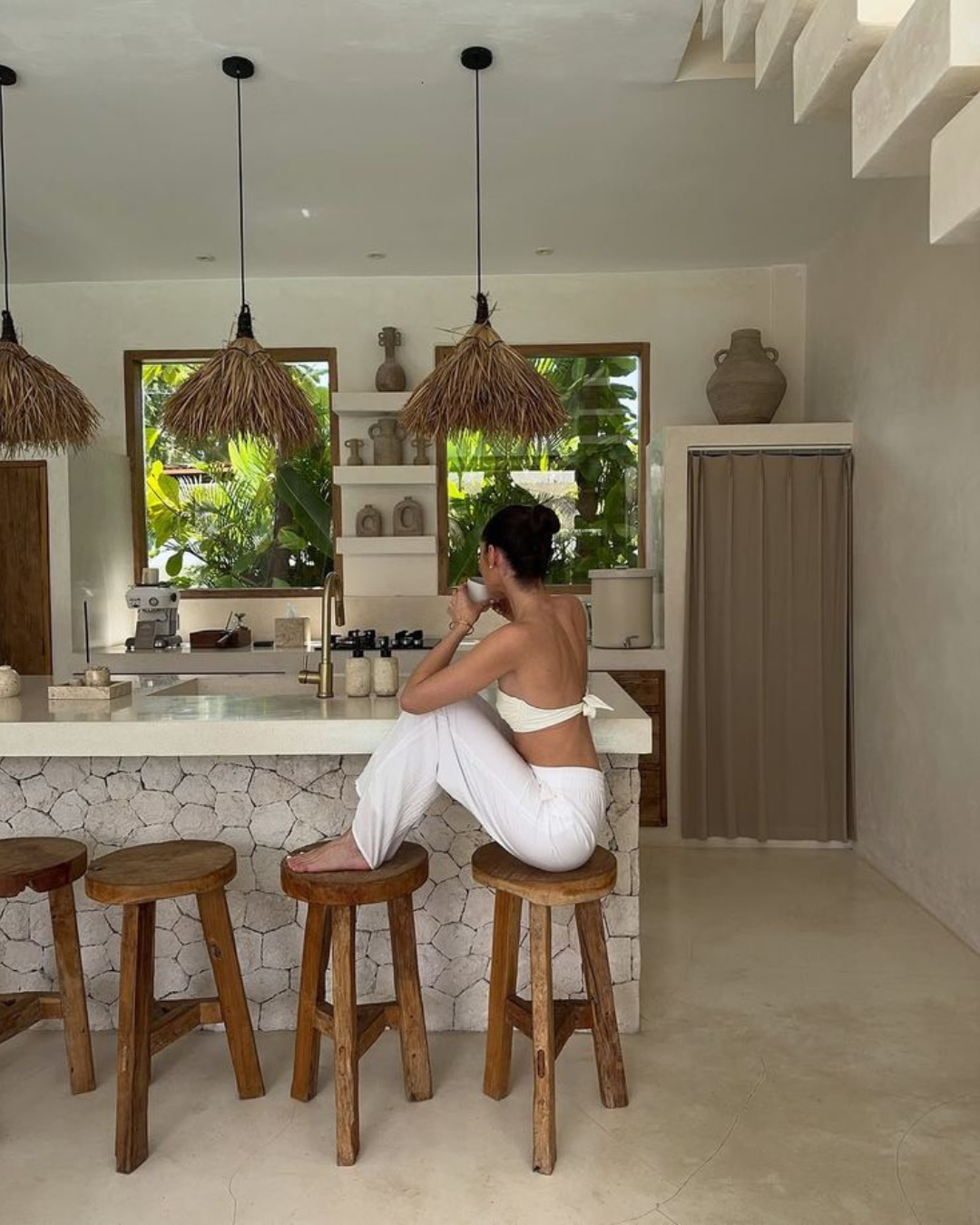
Pinterest @lavielvy
Most of us go through our daily lives without thinking much about the nervous system, yet it quietly influences almost everything. The body constantly shifts between two states.
One is the familiar fight or flight response. In this state the body becomes alert. The heart beats faster, breathing becomes quicker and the mind sharpens its focus. This response is incredibly useful in moments of real danger, but it was never meant to remain switched on all day.
The second state is far calmer. It is known as the parasympathetic system and it is responsible for what scientists often describe as rest and digestion. When this system is active the body begins to repair itself. Digestion improves, hormones balance and sleep becomes deeper.
Ideally, we would spend most of our time in this second state, moving briefly into stress mode only when necessary. Modern life, however, often reverses that balance.
How Everyday Habits Keep Us on Edge
The surprising thing is that the stress response is not always triggered by dramatic events. Often it is small everyday habits that keep the body slightly on edge.
Waking up and immediately reaching for a phone. Drinking coffee before the body has properly woken up. Eating meals while replying to messages or scrolling through news updates. Staying connected to screens late into the evening. None of these behaviours seem extreme on their own, yet together they create a rhythm of constant stimulation.
The nervous system rarely receives the message that it is safe to slow down. Instead it remains in a low level state of alertness throughout the day.
Over time this begins to affect the way we feel physically. People often notice bloating, restless sleep, difficulty concentrating or a sense of constant mental noise. These experiences are surprisingly common, and they often reflect a nervous system that simply has not had enough moments of calm.
The Quiet Power of Slowing Down

What makes parasympathetic living appealing is its simplicity. It does not involve complicated routines or strict rules. In many ways it is about allowing ordinary parts of the day to become slightly slower and more intentional.
Mornings, for example, can begin with a few minutes of natural light and quiet rather than immediate digital stimulation. Meals can be eaten without multitasking, giving the body time to properly digest food. Gentle movement such as walking, stretching or yoga can help release tension without adding further stress to the system.
Maybe some afternoon skinny dipping in a lake and even evenings can become softer. Dim lighting, a book, music or a skincare routine may seem like small details, yet these rituals quietly signal to the body that the day is coming to an end.
None of these changes are dramatic, but they create moments where the nervous system can settle.
When the Body Finally Feels Calm
The interesting thing about supporting the parasympathetic system is how naturally the body begins to respond. Sleep often becomes deeper. Energy feels steadier during the day. Thoughts become clearer and less rushed.
There are physical changes too. Skin can appear brighter, posture relaxes and the body carries less tension. These improvements rarely happen overnight, yet they often appear gradually once the body begins to experience regular periods of calm.
Perhaps what people notice most is a certain steadiness. A feeling of being present rather than constantly reacting to everything happening around them.
Calm as a Modern Form of Luxury

Pinterest @moonlight444_
In many ways calm has quietly become a form of modern luxury. Not the visible kind associated with possessions, but the quieter kind that appears in the way someone moves through the world.
A person with a regulated nervous system tends to think more clearly, respond more thoughtfully and carry a sense of ease even during busy moments. It is not about avoiding responsibility or ambition. It is about creating a life where the body does not feel permanently under pressure.
Parasympathetic living is ultimately a reminder that wellness does not always come from doing more. Sometimes it begins with allowing the body to exhale.
And in a world that rarely slows down, that simple shift might be one of the most powerful forms of wellbeing we can practise.