Minimalism Beyond the Aesthetic
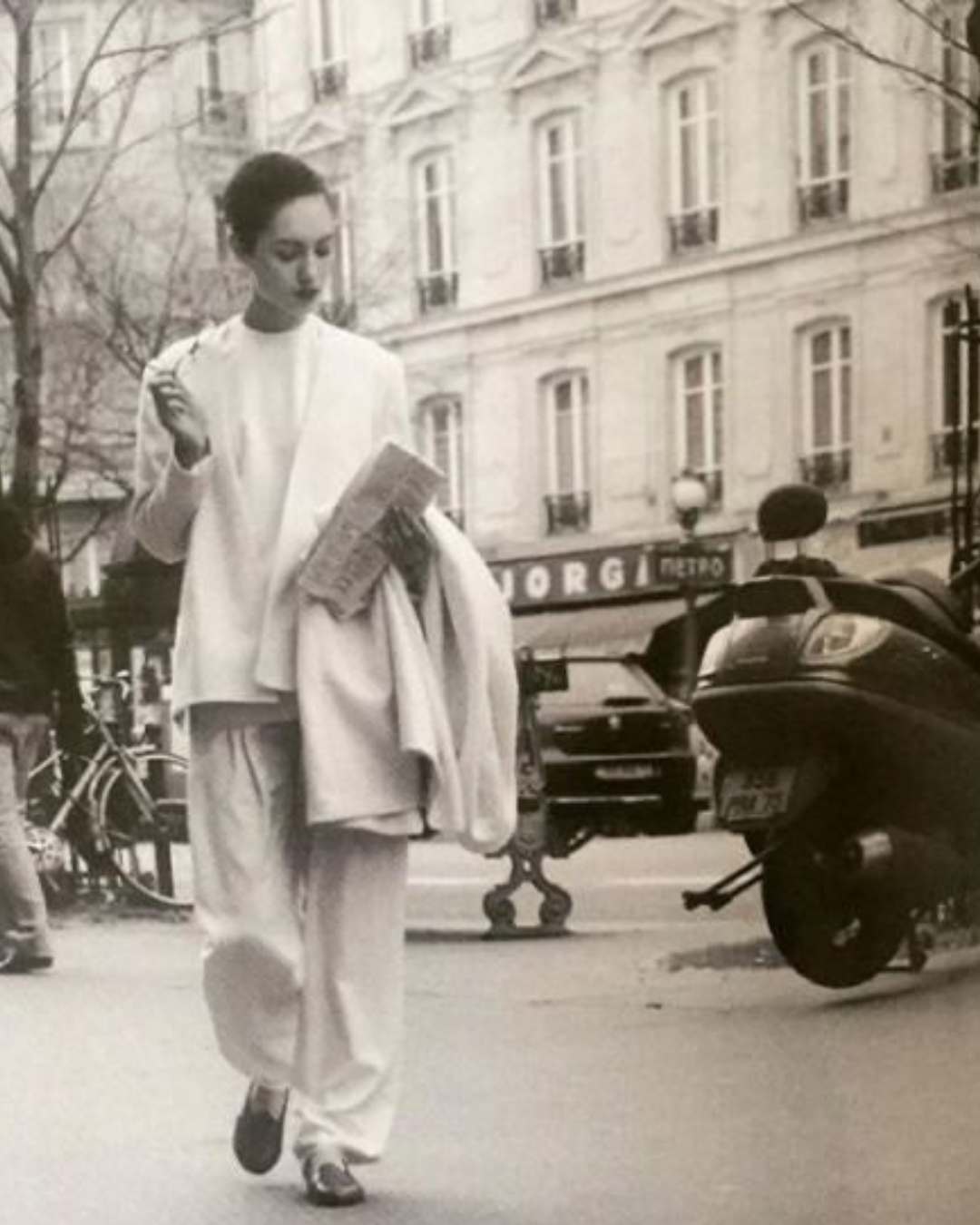
Feelings of overwhelm often begin in our environment, showing up in the form of cluttered shelves, overflowing drawers and stuffed wardrobes, all containing items we have slowly accumulated over time. Whilst individually these things may seem insignificant, together they can create a sense of chaos that quietly weighs down the mind. Which is why it's worth considering how the appearance of our space might be affecting our mental state. Just as a change in career can restore a sense of autonomy, or a move to a sunnier climate can improve someone's mood, the spaces we inhabit can either support our wellbeing or contribute to further stress.
Ideally, our homes should be places of rest for the overwhelmed mind. That is why so many of us are drawn to the practice of minimalism, not just as an aesthetic but as a way of seeking clarity and meaning.

What is Minimalism?
Most people have heard of the term minimalism before. It is often presented as a lifestyle centred around owning less and living with greater intention. It is about identifying what truly adds value to your life and removing what doesn't. Rather than filling your space with possessions just for the sake of it, or holding on to things that continue to serve no purpose, minimalism encourages us to be more selective and intentional with the things we own. It forces us to consider whether the things we own are useful, meaningful and enriching. The philosophy follows the idea that by having less, we can experience more freedom. Having fewer possessions often means fewer things to organise, maintain, clean, and think about. By removing unnecessary distractions, we can direct more of our attention towards the things that genuinely matter to us. Ultimately, minimalism is about intentionality rather than sacrifice.
I have experimented with minimalism before and it certainly is an enlightening process. Going through all my belongings I realised how little of it I used and how much of it was in fact weighing me down emotionally. Many things had become little more than static objects, sitting untouched for months or even years. I realised just how emotionally attached we can become to our possessions, even when they no longer serve a purpose. However, before I explored minimalism, I had a very different perception of it. Like many people, my understanding of it largely came from images on social media.
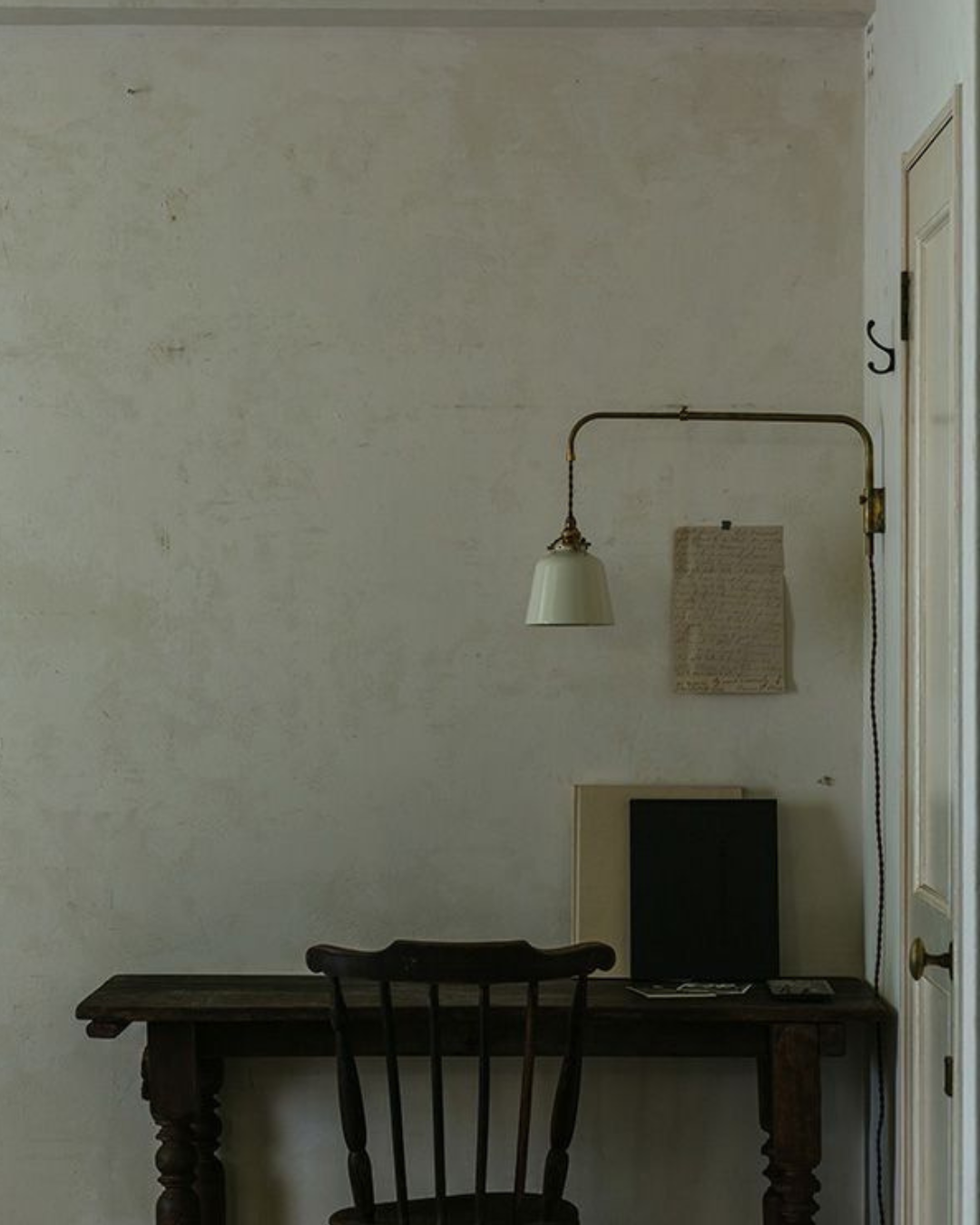
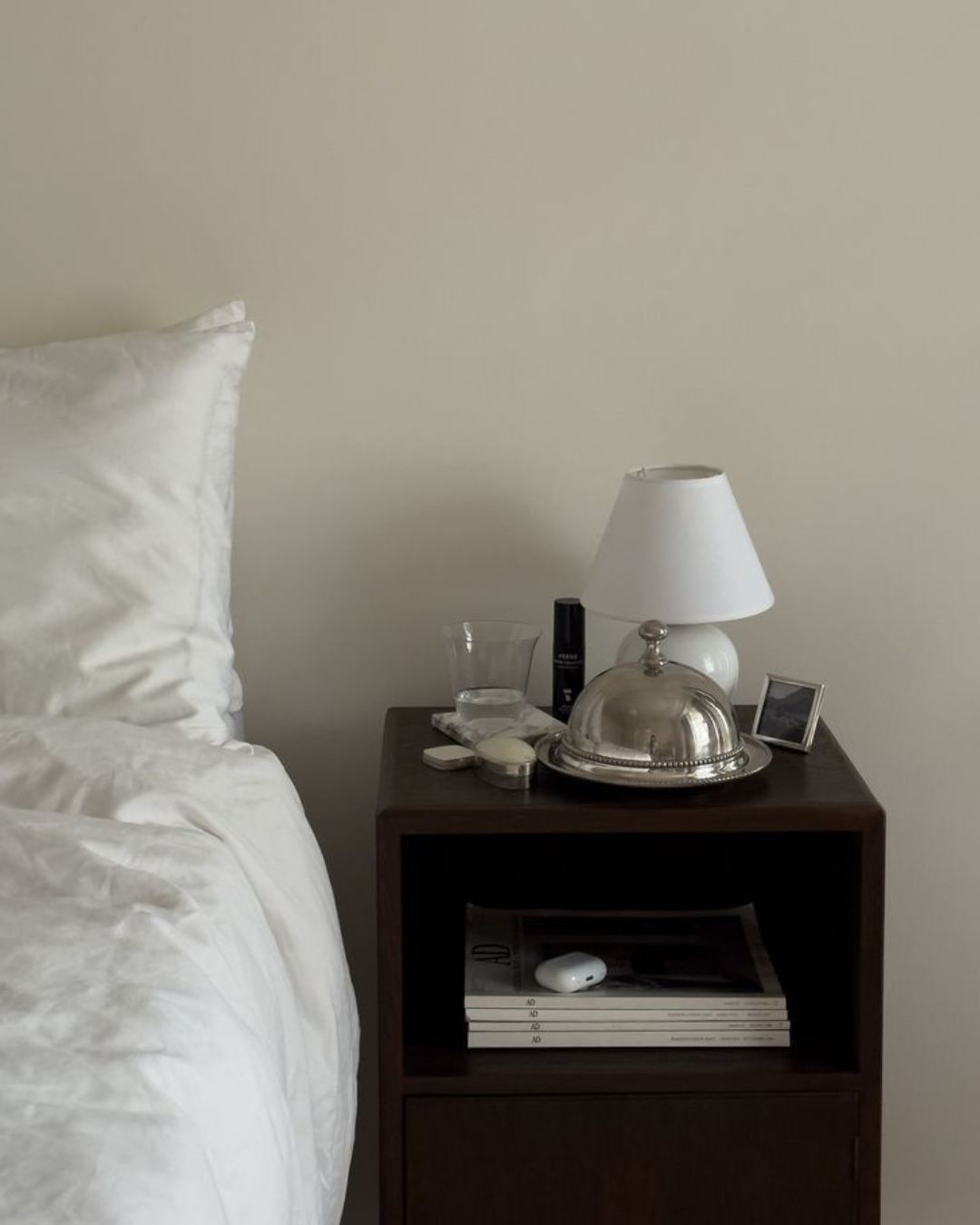
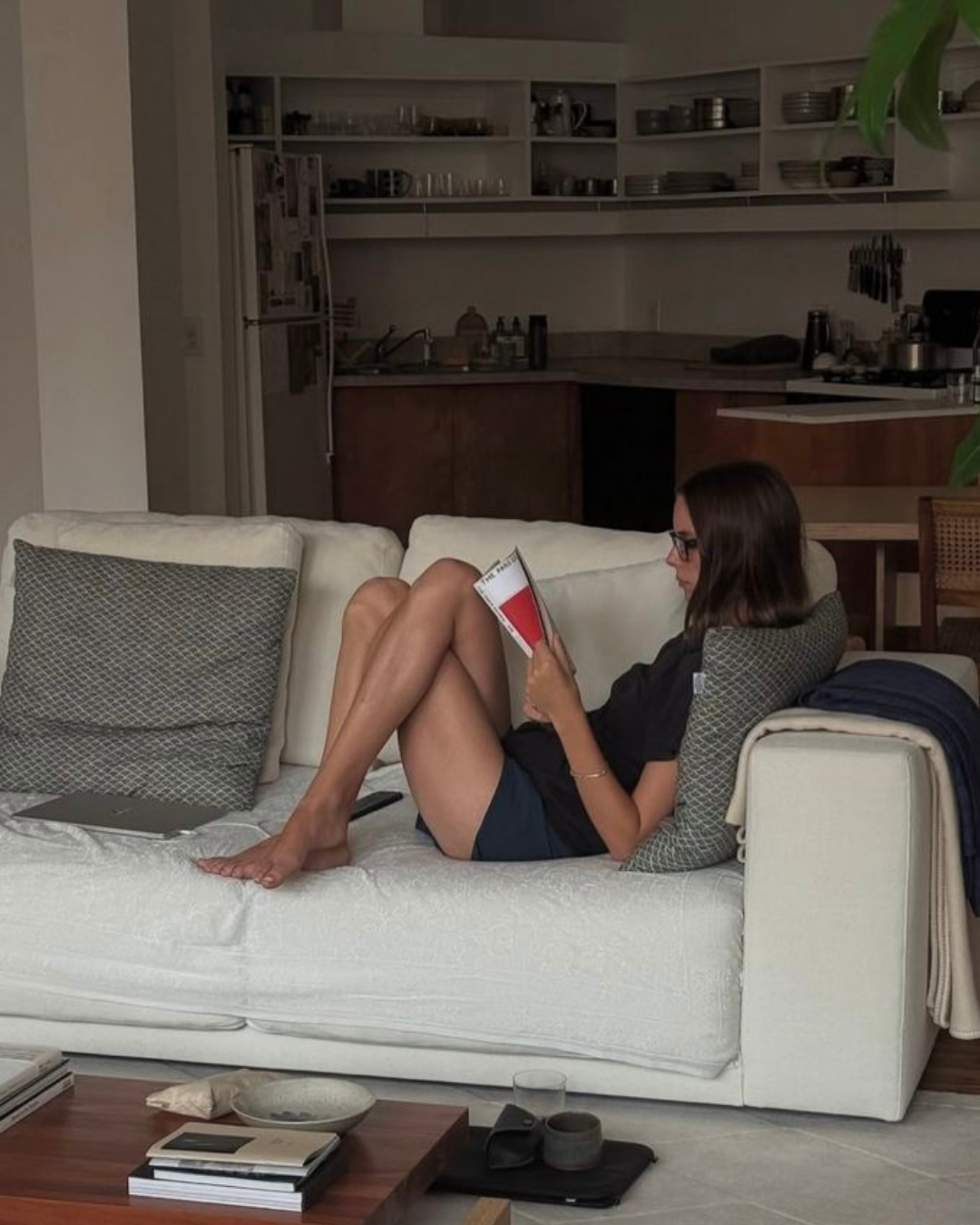
The version presented to us online often appears highly curated, portraying empty surfaces, minimal furniture and objects, neutral colours, monochrome wardrobes and homes that seem untouched and almost not lived in. This is the extreme end of minimalism that is attached to the aesthetic, and which I found rather bleak. It often feels as though minimalism has become a competition to see who can own the least, have the fewest amount of decor, or use the least colour. There is nothing wrong with those who genuinely enjoy this style, but I suspect that for many people, this pushed out image of minimalism is precisely what discourages them from exploring the practice further.
How Did Minimalism Become an Aesthetic?
Minimalism as a design movement has existed for decades. Often characterised by simplicity, clean lines, integrated negative space, and a focus on functionality. Architects, artists and designers have long embraced these principles as they create a sense of balance and clarity. The problem arises when the visual style becomes confused with the lifestyle itself. Over time, minimalism has become strongly associated with neutral interiors, sparse furniture and a highly specific aesthetic. Therefore, many people assume that embracing minimalism means giving up their personal style or stripping their home of character. Though in reality, the lifestyle is far more flexible and liberating.
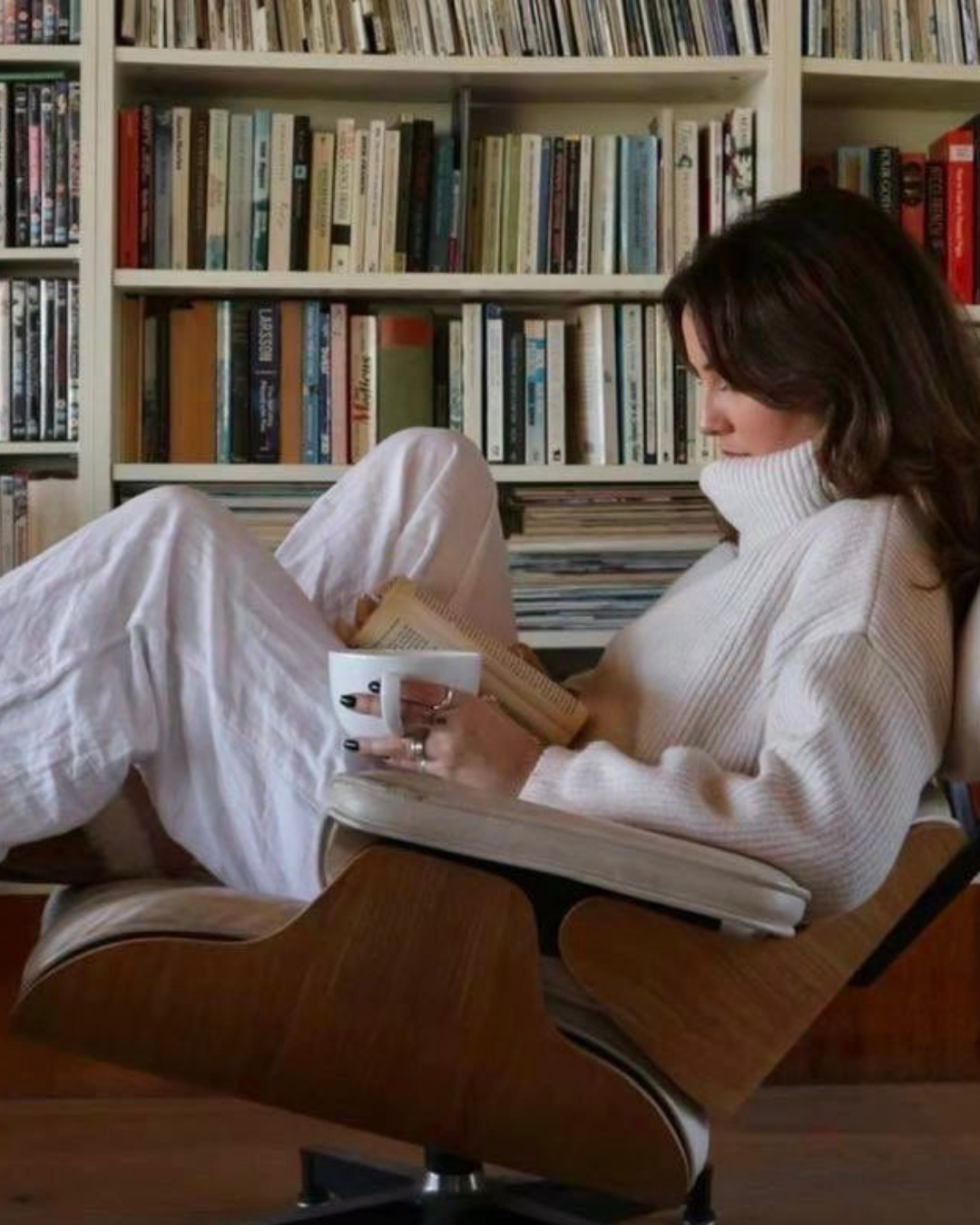
There are no real rules to the style of minimalism. A minimalist can own colourful artwork, hundreds of books, houseplants, or sentimental decorations. What matters is not whether an item fits a particular aesthetic, but whether it serves a purpose or brings genuine value to a person's life. Minimalism should be viewed as a tool rather than an aesthetic.
The Psychology of Minimalism
There are also psychological reasons as to why so many people find minimalism appealing. Our surroundings constantly provide information for our brains to process, so when a space is crowded with objects, visual stimuli compete for our attention, even when we are not actively focusing on them. This can contribute to feelings of mental fatigue and overwhelm. By reducing our clutter, we often create a greater sense of calm, being in a cleaner and more organised environment can make it easier for us to relax, focus and feel in control of our lives. Minimalism can also encourage us to reconnect with our values.
When we become more intentional about what we purchase and keep, our possessions become more meaningful. Instead of buying things impulsively, or accumulating items out of habit, we begin to think deeply about their role in our lives. Shifting into this mindset, moves us away from mindless consumption and towards greater appreciation for the things we already own. Many people describe feeling lighter after decluttering, relieving themselves from the unnecessary maintenance and visual noise.
Society’s Influence
Everything in society encourages us to consume more, whether that be the latest product or the newest social media trend. Consumer culture thrives on convincing us that the more products we have, the more successful we are. But by choosing to use what we already have, and becoming more intentional with future purchases, we can step outside this cycle of constant consumption. It's about ensuring that our possessions serve us, rather than us serving them. I believe this to be one of the many reasons why minimalism resonates with so many people because it offers an alternative perspective in a culture that often equates having more with being more.
How it Supports Sustainability
The benefits of minimalism don't just stop with your own well being, they also extend outward towards a more sustainable way of living. As we become more mindful consumers, we often buy fewer unnecessary items and make greater use of the things we already own. We are likely to become more resourceful in repairing, reusing and appreciating the items we have, rather than constantly replacing. This reduction in consumption can have positive environmental effects, fewer resources are being used, less waste is produced, and there is less of a demand for disposable products. While minimalism alone is not the solution to all environmental challenges, it does encourage habits and a way of living that aligns naturally with sustainability. By valuing quality over quantity, we benefit both ourselves and the wider world.
How To Implement Minimialism
Ultimately minimalism is simply the act of minimising and this can be done in whatever way feels right for you, it's a personal endeavour that really has no rules. You might begin with your wardrobe, your skincare collection, a single drawer, or even just a shelf. The goal is to not get rid of everything you own, but to identify what is genuinely useful and meaningful to you. More importantly, minimalism doesn't require you to part with the things that bring you joy.
For example, I own a lot of books and when sorting through them there was only a handful that I was willing to get rid of, I didn't push myself to get rid of more because I know that the books I own are important to my life, educate me and hold meaning. The same goes for anything that you treasure, no matter what it is. Instead of focusing on the things you love, focus on the things that you barely notice. If you haven't used something in over a year, it may be worth considering whether it still deserves a place in your space.
Minimalism looks different to everyone, because we each appreciate and value different things. There is no universal minimalist aesthetic that you are required to follow, nor is there a correct number of possessions you have to own. At its core, minimalism is a lifestyle that provides and promotes a feeling of calm, clarity and intentionality. You don't have to strip away your character for the sake of an aesthetic, it's about making space in your life for what truly benefits you and adds purpose to your life.