As the days grow shorter and the temperatures drop, it's time to swap cold, crisp salads for steaming bowls of soup and hearty stews. This winter, we're embracing seasonal ingredients, slower cooking and the simple pleasure of a meal that warms you from the inside out.
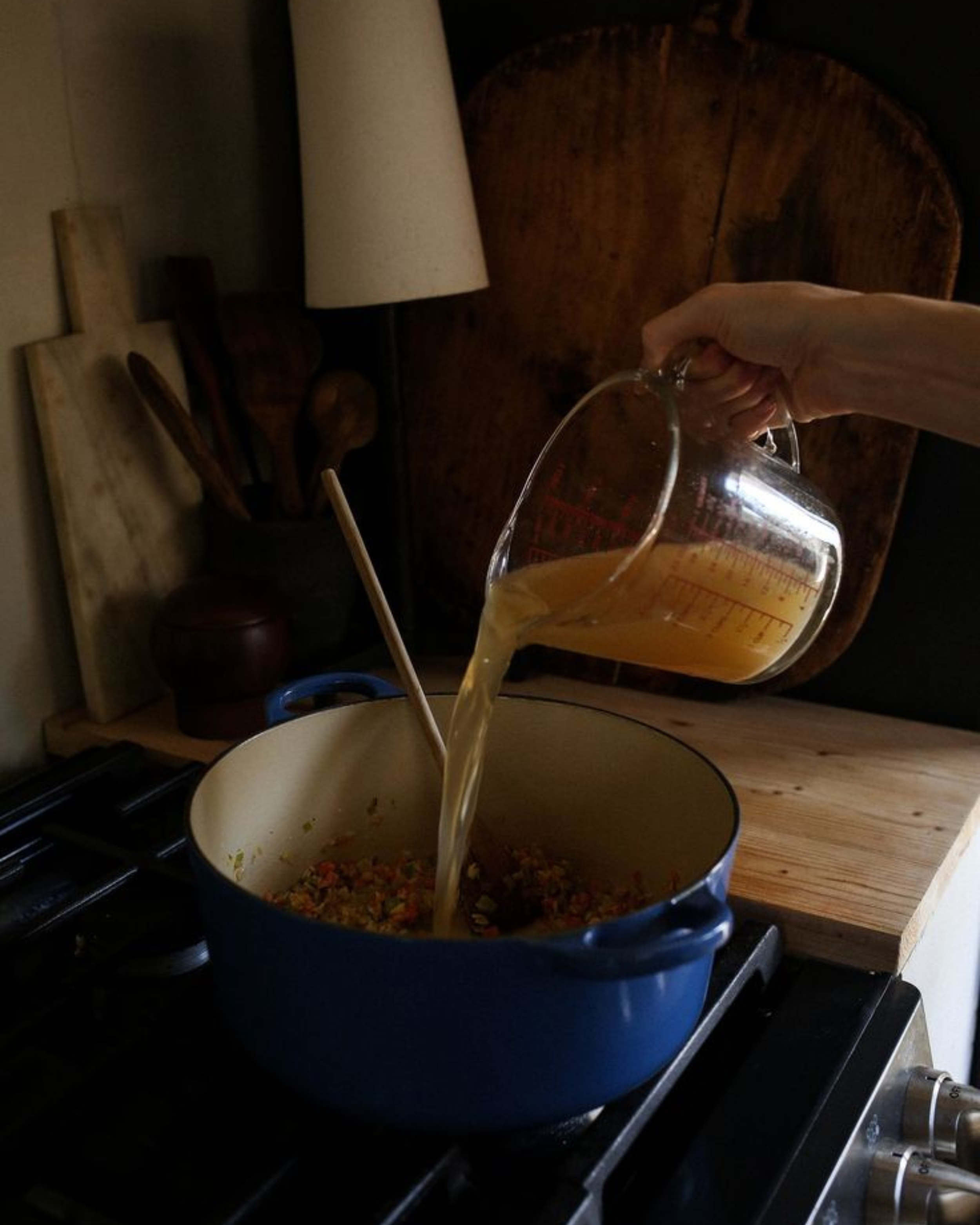
There is something about winter that invites us to slow down. Mornings are darker, evenings arrive earlier, and the idea of a cold salad suddenly feels far less appealing. Instead, we find ourselves drawn to the comforting ritual of chopping vegetables, warming olive oil in a pan and allowing a pot of soup or stew to simmer gently on the stove.
Winter cooking is about more than comfort. It is an opportunity to rediscover seasonal ingredients, explore deeper flavours and make nourishing food that feels as good to prepare as it does to eat.
A season for the soup pot
Few things are as satisfying on a cold day as a bowl of homemade soup. Whether silky and smooth or chunky and rustic, soup is one of winter's most versatile dishes.
Think roasted butternut squash blended with warming spices, leek and potato soup finished with fresh herbs, or a rich mushroom broth with garlic and thyme. For something more substantial, lentil, butterbean and vegetable soups offer plenty of texture and make an easy, satisfying lunch or supper.
The beauty of soup lies in its simplicity. A few seasonal vegetables, a good stock, some herbs and a little time can create something wonderfully flavourful. Add crusty sourdough, a drizzle of good olive oil or a spoonful of natural yoghurt and a simple bowl becomes a meal worth lingering over.
Let the stew simmer
If soup is winter's comforting first course, stew is its heartier companion. Slow cooking gives ingredients time to soften, develop flavour and come together into something deeply satisfying.
A traditional beef and root vegetable stew, chicken with butterbeans and rosemary, or a warming chickpea and sweet potato tagine can all become winter staples. For plant-based cooking, lentils, cannellini beans and chickpeas bring substance, while tomatoes, onions, garlic and fresh herbs build layers of flavour.
The secret is not complicated technique but patience. Allowing a dish to cook gently gives the ingredients time to do their work, filling the kitchen with aromas that make coming home on a cold evening feel particularly inviting.
And there is a practical advantage: stews often taste even better the following day, making them ideal for preparing ahead and enjoying throughout a busy week.
Cook with the season
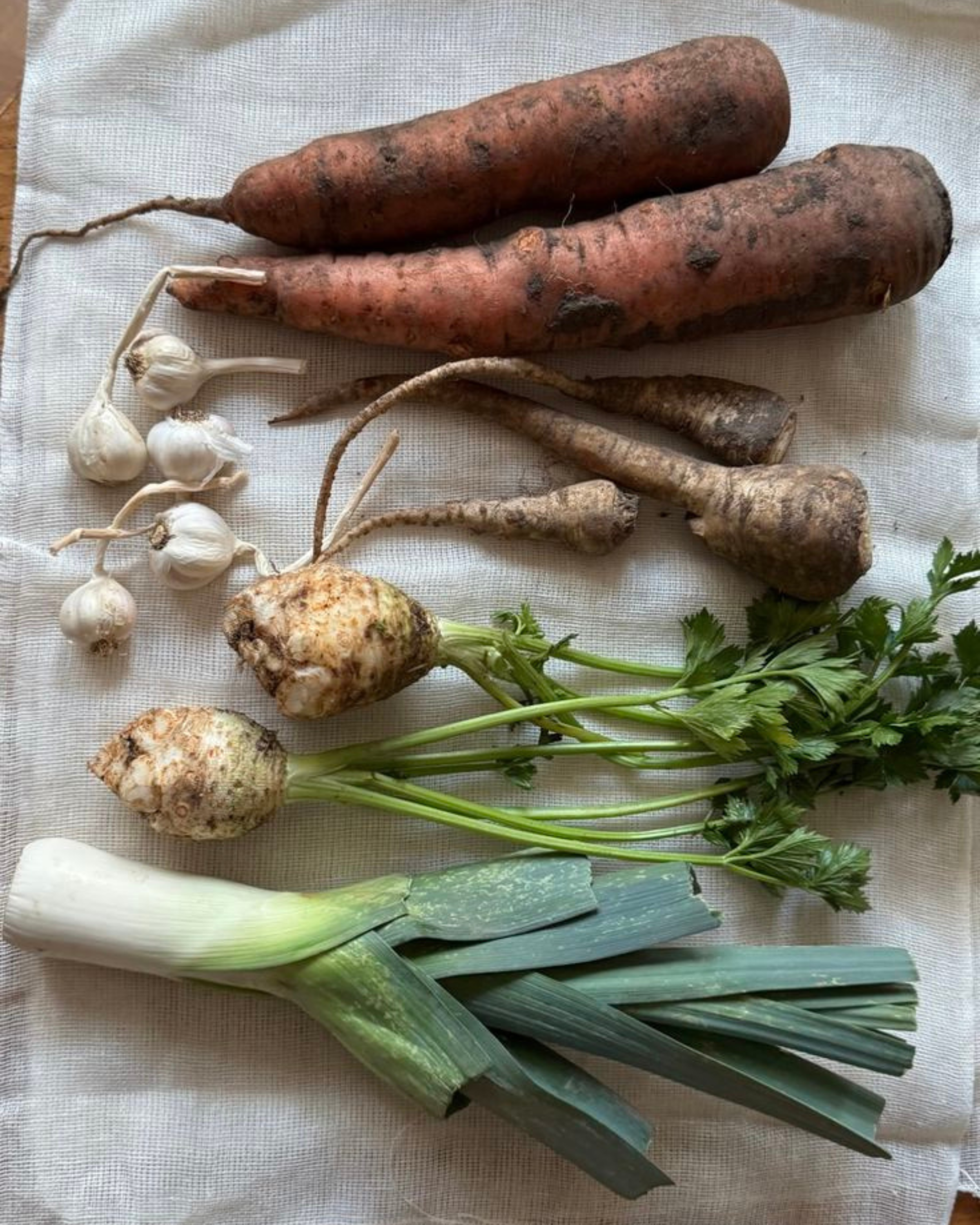
Winter produce deserves far more attention than it sometimes receives. Carrots, parsnips, swede, celeriac, leeks, cabbage, kale and winter squash are perfectly suited to soups, casseroles and slow-cooked dishes. Their earthy flavours work beautifully with garlic, rosemary, thyme, cumin, ginger and warming spices.
Roasting root vegetables before adding them to soup can bring out their natural sweetness. A handful of kale stirred into a bean stew adds colour and texture, while lemon zest or fresh parsley just before serving can lift a rich dish and bring it to life.
Seasonal cooking need not be elaborate or expensive. Frozen vegetables, tinned tomatoes and pulses are useful kitchen staples, too, making it easier to create a nourishing meal without starting from scratch every evening.
Comfort that nourishes
Comfort food does not have to mean sacrificing balance. A well-made soup or stew can combine vegetables, beans or lentils, whole grains and a source of protein in one satisfying dish. These ingredients provide fibre and a range of nutrients, while helping meals feel more substantial.
The key is variety. Pair a vegetable-rich soup with wholegrain bread, add barley to a mushroom stew, or finish a bowl of lentils with a spoonful of pesto and a squeeze of lemon. Small details can transform familiar recipes without making cooking feel complicated.
Nor is there any need to abandon fresh vegetables altogether. Winter greens can be stirred into broths, cabbage can add sweetness to slow-cooked dishes, and fresh herbs can bring brightness to even the richest stew. This is not about giving up salads forever; it is about letting the season inspire a different way of eating.
The pleasure of cooking slowly
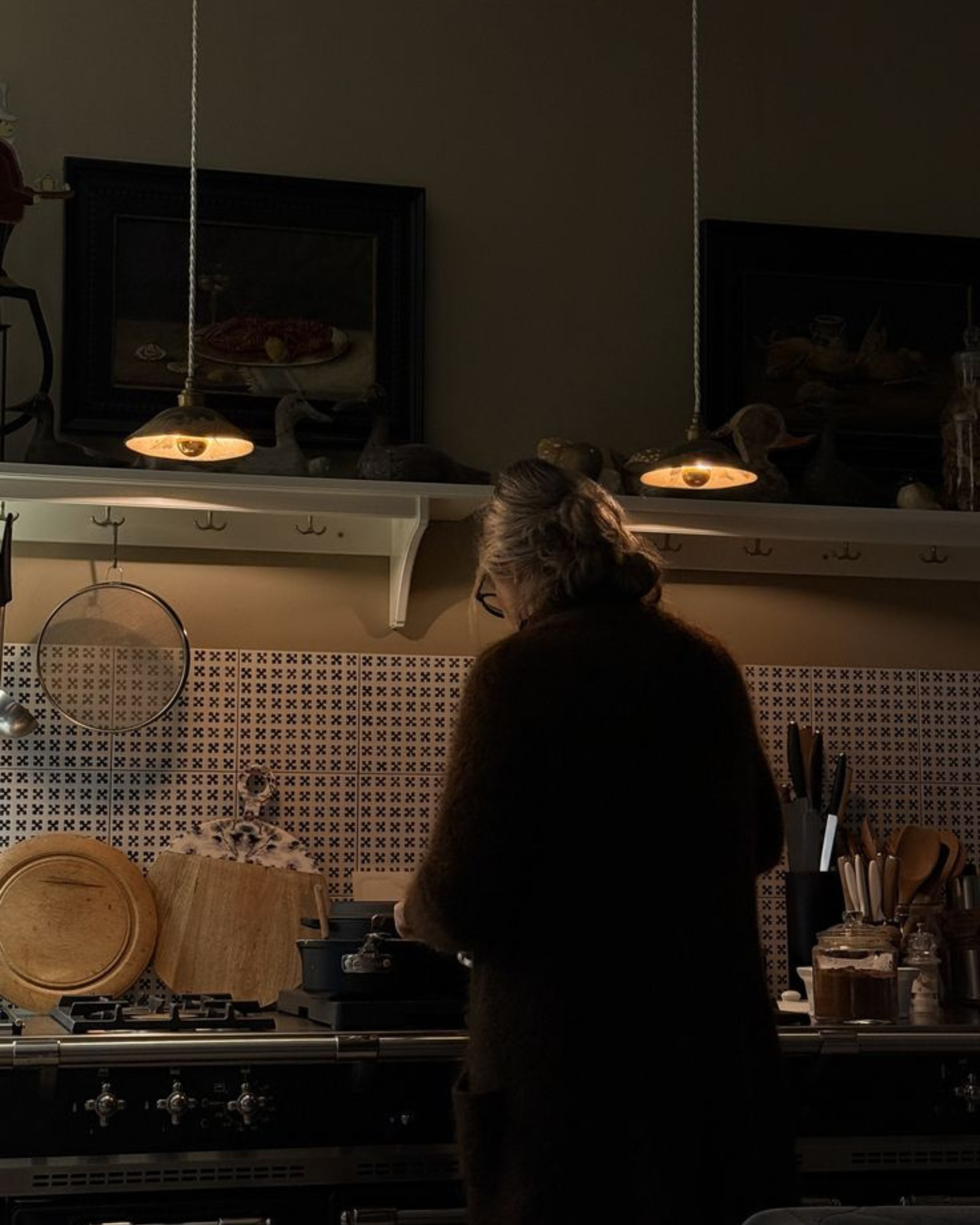
Perhaps the greatest appeal of winter cooking is the ritual itself. There is comfort in preparing ingredients, letting a pot bubble away and knowing that dinner is already taken care of. A large batch of soup can provide easy lunches for several days, while a stew shared around the table turns an ordinary evening into an occasion.
Cooking slowly also encourages a more thoughtful approach to food. Leftover roast vegetables can become tomorrow's soup; odds and ends of vegetables can enrich a stock; and a forgotten tin of beans can become the foundation of a warming supper.
In a season when life can feel rushed despite the shorter days, these small kitchen rituals offer an opportunity to pause.
Bring on the bowls
So, this winter, give the salad bowl a little rest and make room for the soup pot, the casserole dish and the slow cooker. Embrace seasonal vegetables, experiment with herbs and spices, and find a few recipes that you can return to whenever the weather turns cold.
From a simple bowl of leek soup to a slow-cooked stew shared with friends, winter food is about warmth, generosity and making the most of what the season offers.
Because sometimes the simplest form of self-care is a homemade meal, a warm kitchen and something delicious waiting on the stove.