Go to Sleep, Babe
Pinterest @jonesthuraia
Let’s be honest. We’ve all done it. Stayed up until 3am scrolling through TikTok, watching random YouTube videos, or convincing ourselves that one more episode will not hurt. Somewhere between the all-nighters and the caffeine fixes, sleep became optional. It is almost as if we have turned exhaustion into a lifestyle.
But here is the reality check. Lack of sleep is not something to brag about. It is not a productivity hack. It is a health disaster. Missing sleep does more than make you tired. It affects your head, your mood, your skin, your hormones, basically everything that makes you feel human.
The Psychology of Sleep Deprivation
When we do not get enough sleep, our brains do not simply feel tired. They start to malfunction. Sleep plays a vital role in regulating mood, processing emotions, and consolidating memories. Missing out on rest throws off this balance, making us more prone to anxiety, irritability, and emotional burnout.
The amygdala, which controls emotional reactions, becomes hyperactive during sleep deprivation. That is why even small inconveniences, a delayed text or a missed call, can suddenly feel overwhelming. Meanwhile, the prefrontal cortex, the part responsible for rational thinking, slows down. The result is impulsive decisions, overthinking, and a clouded sense of judgement.
Lack of sleep also amplifies negative thinking. It makes challenges feel impossible, fuels self-doubt, and can even mimic symptoms of depression. Over time, constant exhaustion dulls creativity, motivation, and joy. You may find yourself running on autopilot, doing everything but feeling disconnected from it all.
The Body’s Wake-up Call
The impact of poor sleep does not stop at the mind. It seeps into every cell of the body. Hormones that regulate appetite, stress, and skin repair all depend on rest. When you cut corners on sleep, cortisol, the stress hormone, shoots up, while leptin and ghrelin, which control hunger, fall out of balance. This is why after a sleepless night, you crave junk food and feel hungrier than usual. Your body is literally begging for quick energy.
For the skin, sleep is the ultimate healer. During deep sleep, the body increases blood flow to the skin and boosts collagen production, the protein that keeps it firm and glowing. Skip rest, and you will notice dullness, puffiness, and dark circles almost immediately. Over time, lack of sleep can accelerate ageing, worsen acne, and reduce your skin’s ability to repair damage from pollution or UV rays. No amount of concealer can hide the long-term effects of sleepless nights.
Sleep also strengthens your immune system. When you do not get enough rest, your body produces fewer cytokines, the proteins that fight infections and inflammation. This increases your risk of catching colds, flu, and even more serious illnesses. Sleep is not just beauty rest. It is survival maintenance.
Breaking the Cycle
The best part is that sleep can be restored naturally, gently, and effectively. You do not need sleeping pills. You need rituals that retrain your body and mind to relax.
Yoga
Yoga is not about flexibility. It is about calming the nervous system. Poses like legs up the wall, Viparita Karani, and child’s pose, Balasana, release muscle tension while slowing the heart rate. Deep breathing stimulates the vagus nerve, shifting the body into rest and digest mode.
Just 15 minutes of gentle stretching or restorative yoga before bed can lower cortisol levels and prepare your body for deep, uninterrupted rest. It signals to your system: “You are safe. It is time to slow down.”
Meditation
Pinterest @cerisiercerise
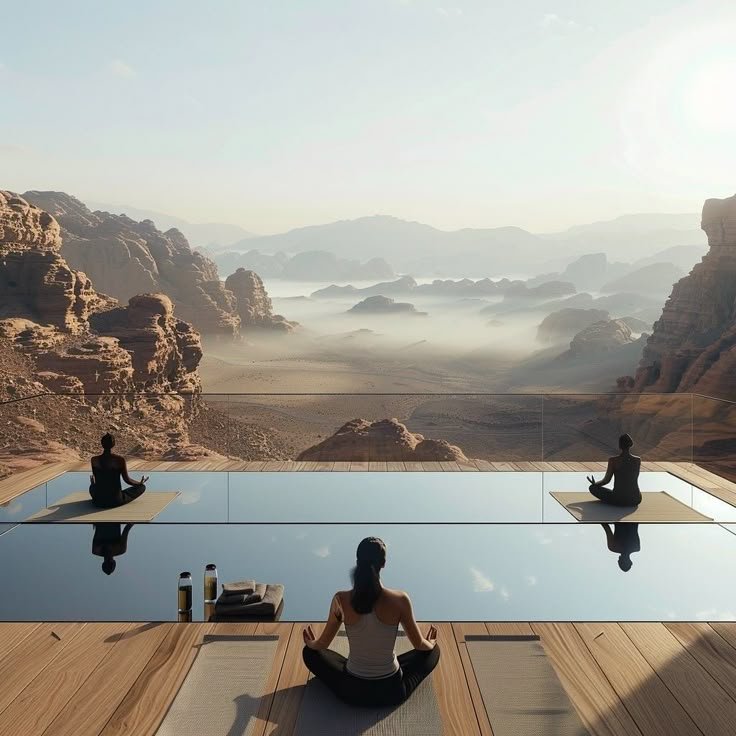
Most of us cannot sleep because our thoughts will not stop racing. Meditation helps quiet that internal noise. Whether it is a five-minute mindfulness session or a guided meditation before bed, it teaches the brain to shift from chaos to calm.
Try the 4-7-8 breathing technique. Inhale for 4 seconds, hold for 7, exhale for 8. It slows the heartbeat and encourages the release of melatonin, your body’s natural sleep hormone. Over time, meditation does more than improve sleep. It reprogrammes your response to stress.
White Noise
Silence can sometimes make the mind louder. That is where white noise comes in, a gentle, consistent sound that masks background disturbances and helps the brain relax. Think ocean waves, soft rainfall, or the low hum of a fan.
White noise is scientifically proven to improve sleep quality by keeping your brain in a steady rhythm. If white noise feels too sharp, try pink noise, softer, like rustling leaves or distant thunder. It creates a cocoon of calm that lulls you into deeper rest.
Candles and Essential Oils
Pinterest @danielaseoane
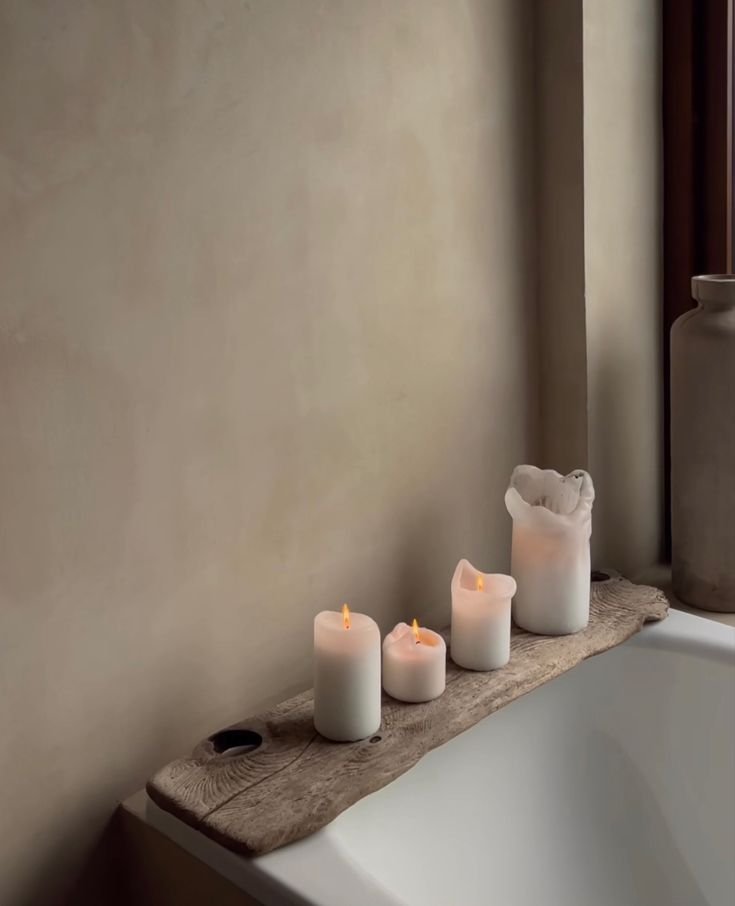
Scents have a powerful link to the brain’s emotional centre. Lighting a candle or diffusing essential oils before bed creates a sensory cue for relaxation. Lavender, chamomile, sandalwood, and ylang-ylang are especially effective for calming nerves and lowering heart rate.
A nightly ritual could be as simple as lighting a candle while you journal or read before bed. Over time, your brain associates that scent with winding down, helping you fall asleep faster and stay asleep longer.
Hot Bath Therapy
A warm bath about an hour before bed can work wonders. It slightly raises your body temperature, and the cooling-down process afterwards signals to your brain that it is time to sleep. Adding Epsom salts or a few drops of lavender oil amplifies the effect, relaxing muscles and easing tension.
It is also a form of mindfulness. The stillness, warmth, and scent combine to calm both the body and mind, melting away the day’s chaos.
What Happens When You Finally Sleep Well
When you finally sleep properly, it is like your whole life hits reset. Your skin starts glowing because your cells finally get the repair time they have been begging for. Dark circles fade, your complexion brightens, and even those little bumps and redness you have been ignoring start to settle. It is not magic. It is your body actually doing its job.
And it does not stop at your skin. Your mood stabilises. You feel calmer, lighter, and more in control of your thoughts. Focus comes naturally, not because you have forced it, but because your brain is finally rested and organised. Suddenly, you do not need endless coffee or sugar to drag yourself through the day. Your body listens to you again instead of running on autopilot.
Sleep is a silent healer. It balances your hormones, helps your digestion, reduces inflammation, and boosts immunity. It even calms anxiety and lifts your mood without the need for external fixes. When you prioritise rest, your energy, emotions, and mental clarity align effortlessly. You become sharper, calmer, and more present.
Rest Is the New Flex
Pinterest @landofaesthetics
We have all been told that rest is lazy, that sleeping more is indulgent. That is nonsense. Being well-rested is one of the most powerful things you can do. It is confidence, clarity, and control all rolled into one. You make smarter decisions, your energy feels clean and steady, and your skin literally reflects the care you are giving yourself.
So tonight, do yourself a favour. Switch off your phone, light a candle, stretch, breathe, and let yourself rest. Forget the grind culture mantra that productivity equals sleeplessness. Sleeping is not time wasted. It is time invested in the best version of yourself.
You cannot glow, grow, or move forward if you are constantly running on empty. Real power is not in doing more. It is in giving yourself what you actually need. And that starts with sleep.
So put the phone down, girl, and sleep.