Food as Medicine: The Real Meaning of Wellness

Pinterest @avaabrand
We live in a world where wellness trends come and go almost weekly, yet the basic truth has always been right in front of us that food is medicine. For generations, the kitchen has served more than only as a cooking area. It has been a place where families can find solace, healing, and strength. Today, as we redefine what true luxury is, it is no more about what we own but how well we live. Eating with intention is not a chore. It is one of the most sophisticated and considerate things we can do for ourselves.
Wisdom That Never Left Us
Pinterest @neversearchmeagain
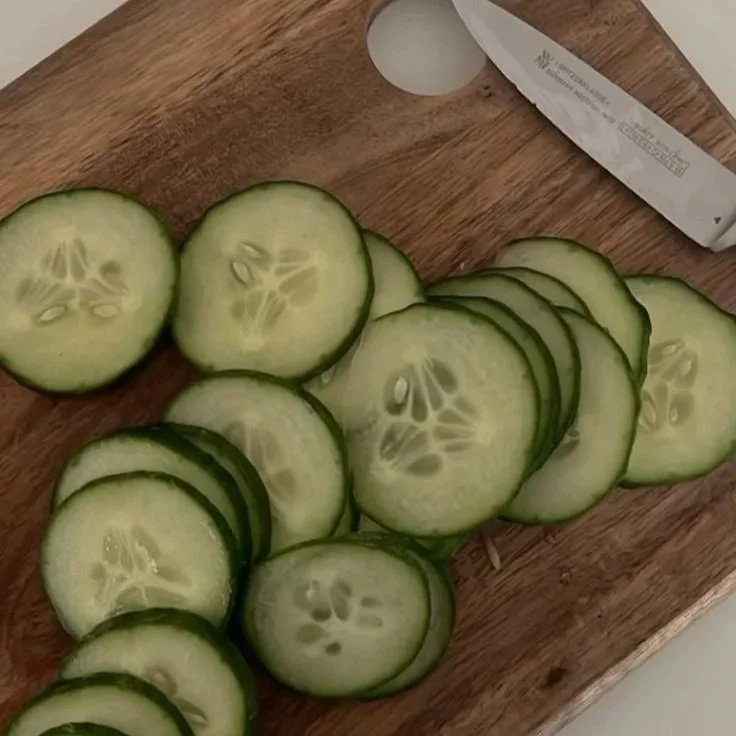
This idea is not new. Our grandmothers knew it long before science confirmed it. In India, Ayurveda placed food at the centre of health. Ginger aids digestion, cucumber cools the body, and ghee nourishes the nerves while calming the mind. In Britain, traditions carried their own gentle wisdom: honey with lemon for sore throats, nettle tea in spring, and elderflower cordial to soothe a cold. These were not complicated rituals, yet they were quietly effective.
Modern research now explains why they worked. Curcumin in turmeric reduces inflammation, garlic supports heart health, and berries are full of antioxidants that slow ageing and protect the skin. Oily fish rich in omega-3s strengthen memory and lower the risk of heart disease. What was once passed down through families is now understood through science.
A Kitchen That Heals
Pinterest @helgasko
A kitchen designed for wellness does not need to overflow with expensive superfoods. It needs trusted ingredients that have stood the test of time.
Turmeric with Black Pepper: Together they help the body absorb powerful anti-inflammatory compounds.
Ginger: It aids digestion, reduces nausea, and has natural anti-inflammatory properties.
Ghee: A golden staple in Ayurveda, rich in nutrients that support digestion and clarity of mind.
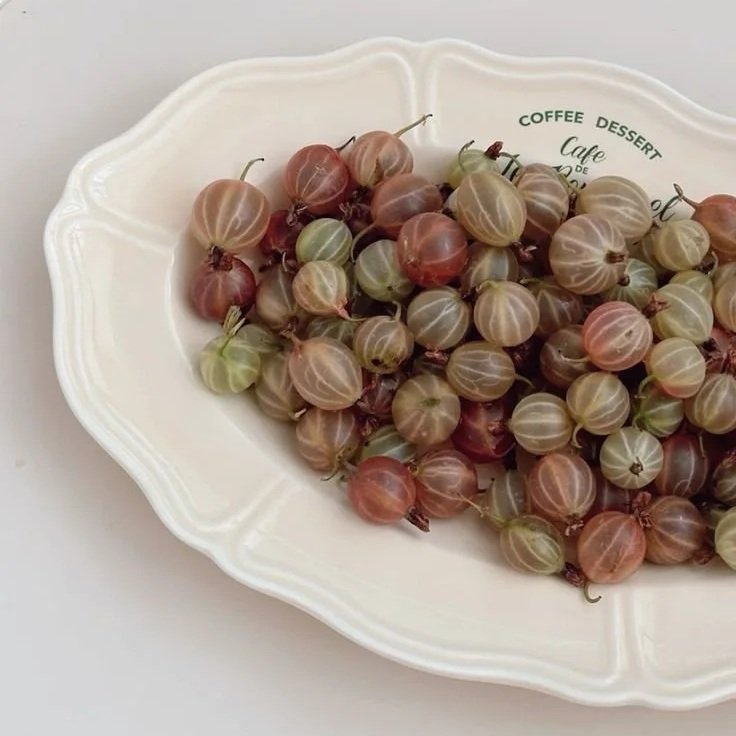
Amla and Berries: From Indian gooseberries to British blackberries, both are rich in vitamin C and antioxidants.
Lentils and Chickpeas: Everyday staples full of protein and fibre to keep energy stable and digestion balanced.
Oily Fish: Salmon, mackerel or sardines provide omega-3s for heart and brain health.
Fermented Foods: Indian pickles and British sauerkraut nourish the gut with probiotics.
These are not only nourishing but also elegant, proof that wellness and pleasure can exist on the same plate.
Prevention as the New Indulgence
Pinterest @daringgourmet
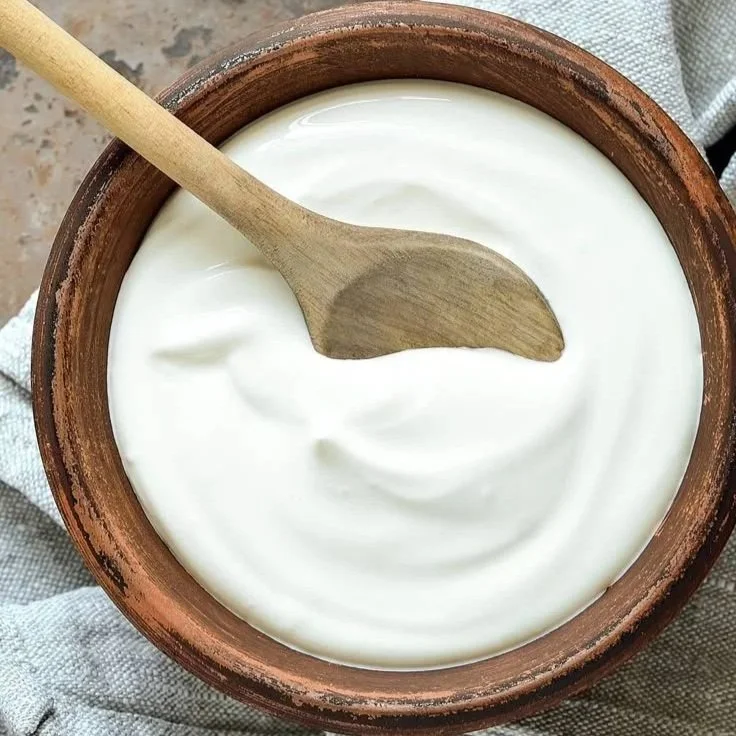
The greatest luxury today is not overindulgence. It is longevity and vitality. Prevention has become the new aspiration, with food as its centrepiece. The Mediterranean diet, with olive oil, nuts and fish, is celebrated worldwide for protecting against chronic diseases. In India, a well-balanced thali of lentils, vegetables, rice or millet, yoghurt and pickles delivers harmony in one meal. In Britain, the rhythm of seasonal eating, from spring greens to winter root vegetables, provides the body with exactly what it needs.
To eat with the seasons and to choose whole foods is to respect both the body and nature. It is health, but it is also refinement.
Food Beyond the Body
Food shapes more than physical health. It has a profound impact on mood, resilience and emotional wellbeing. Science now shows that a lack of omega-3s, B vitamins or magnesium can contribute to anxiety and low mood. A diet rich in whole foods, on the other hand, supports focus, memory and calm.
Tradition has always understood this. In India, warm nutmeg milk before bed is said to invite sleep. In Britain, chamomile tea serves the same role, preparing the mind to rest. These small rituals remind us that nourishment is for the spirit as much as the body.
Blending the Old and the New
Modern wellness does not abandon tradition. It brings it into the present with style. A quinoa khichdi topped with microgreens, a turmeric latte in fine bone china, or a mezze platter paired with an Ayurvedic broth are not passing trends. They are part of a lifestyle where food is chosen with care and enjoyed with intention.
As with fashion, meals can be curated. Food becomes a form of self-expression and one of the most personal forms of self-care.
Small Rituals, Lasting Rewards
Wellness does not require an overhaul. Subtle rituals can transform the way you feel.
Warm water with lemon and ginger to begin the day.
A handful of walnuts or flaxseeds for an easy source of omega-3.
Fresh fruit or seasonal nuts in place of processed snacks.
A daily spoonful of yoghurt, kimchi or sauerkraut.
Golden milk or herbal tea as a nightly ritual.
These are not restrictions. They are gestures of care, small acts of luxury that nurture strength over time.
A Final Thought
Pinterest @thecelestialmuse
To see food as medicine is to embrace both ancient knowledge and modern science. It is where nourishment meets indulgence, and where eating well becomes the truest form of self-care.
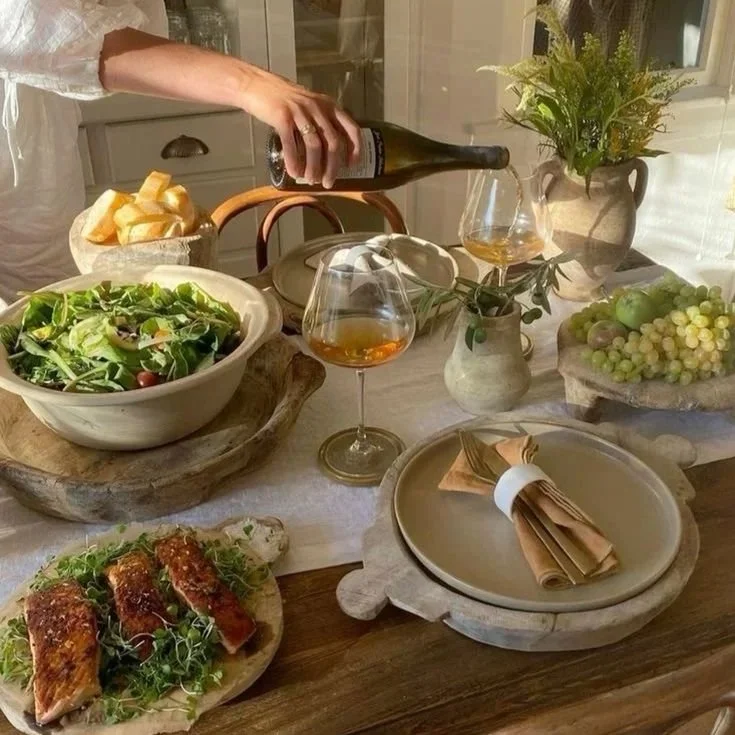
Whether it is a dish of roasted salmon, a comforting bowl of dal, or saffron stirred into warm milk, every bite is an investment in health, radiance and longevity.