Taking Care of Your Clothing 101
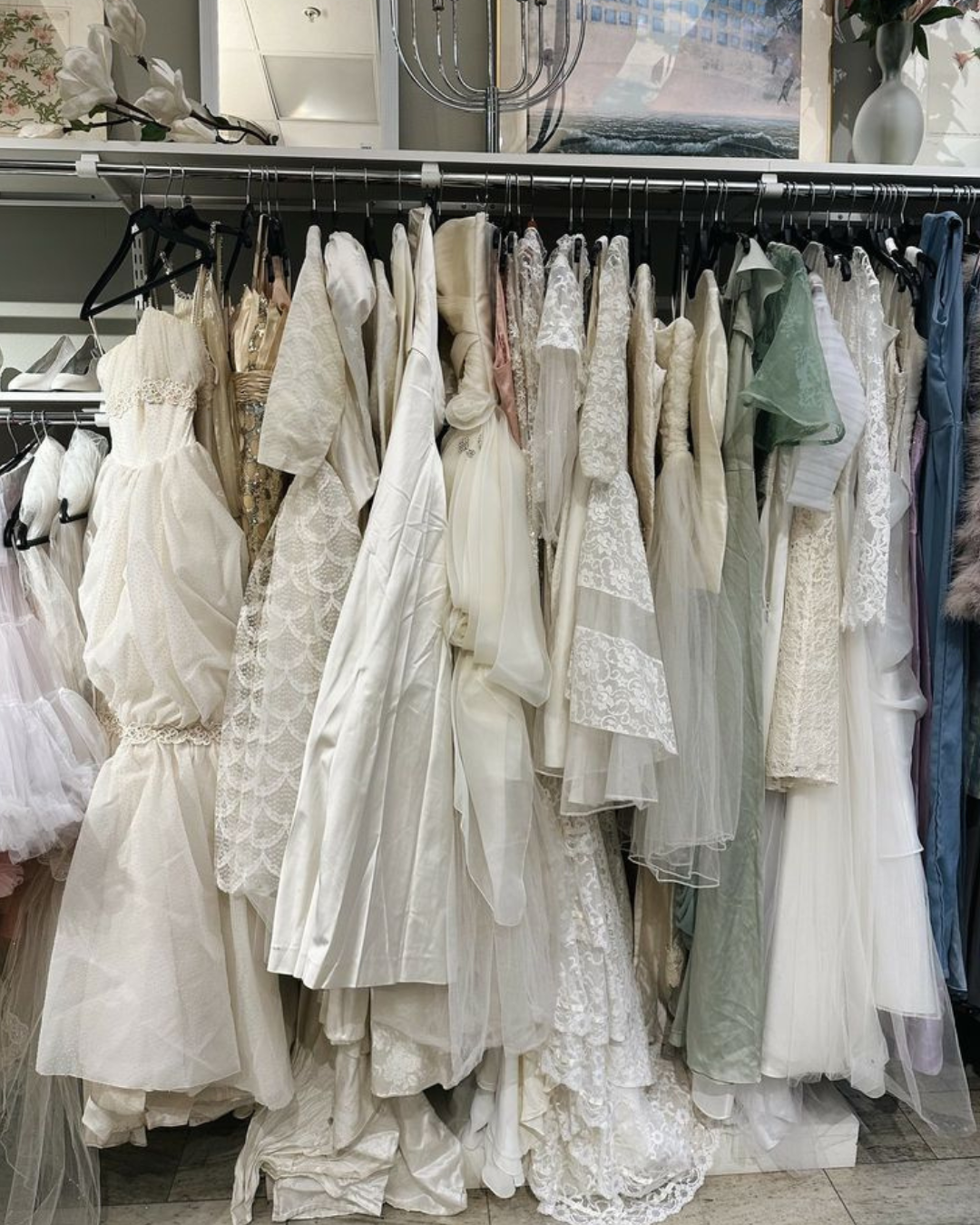
This is your simple guide to garment care. There are so many fabrics, blends and requirements to take care of them. Let’s get into it and figure out how you can make your routine easier.
I’ve recently come across a problem: I don’t actually have any idea how to take care of my clothes. Moreover, I’m never actually sure if I’m making the right choice of fabric when I shop. Don’t get me wrong, I understand what silk and wool are. It’s just that all the “30 % viscose and 70% lyocell” confuses me. So I thought, surely I’m not alone in this puzzling little bubble of fabric ignorance. So I put together a guide that will help us with all of our garment care issues.
Of course you can say “but they write everything on the care label, idiot”. Firstly, that’s rude. Secondly, I genuinely had no idea what half of those symbols meant until recently. Every time I washed or ironed my clothes, I took a wild guess and hoped for the best. Proud to say that I managed to keep the majority of my clothing in one piece and in the right size. Except for that lovely wool jumper, it wouldn’t even fit my cat after the wash.
So here’s my instruction for all your garment needs. I’ll also get into choosing the right fabric for different seasons, since we were hit by a severe heatwave. And I wouldn’t be me if we didn’t dip our toes in trends and sustainability of your wardrobes.
Natural Plant Fabrics: Cotton & Linen
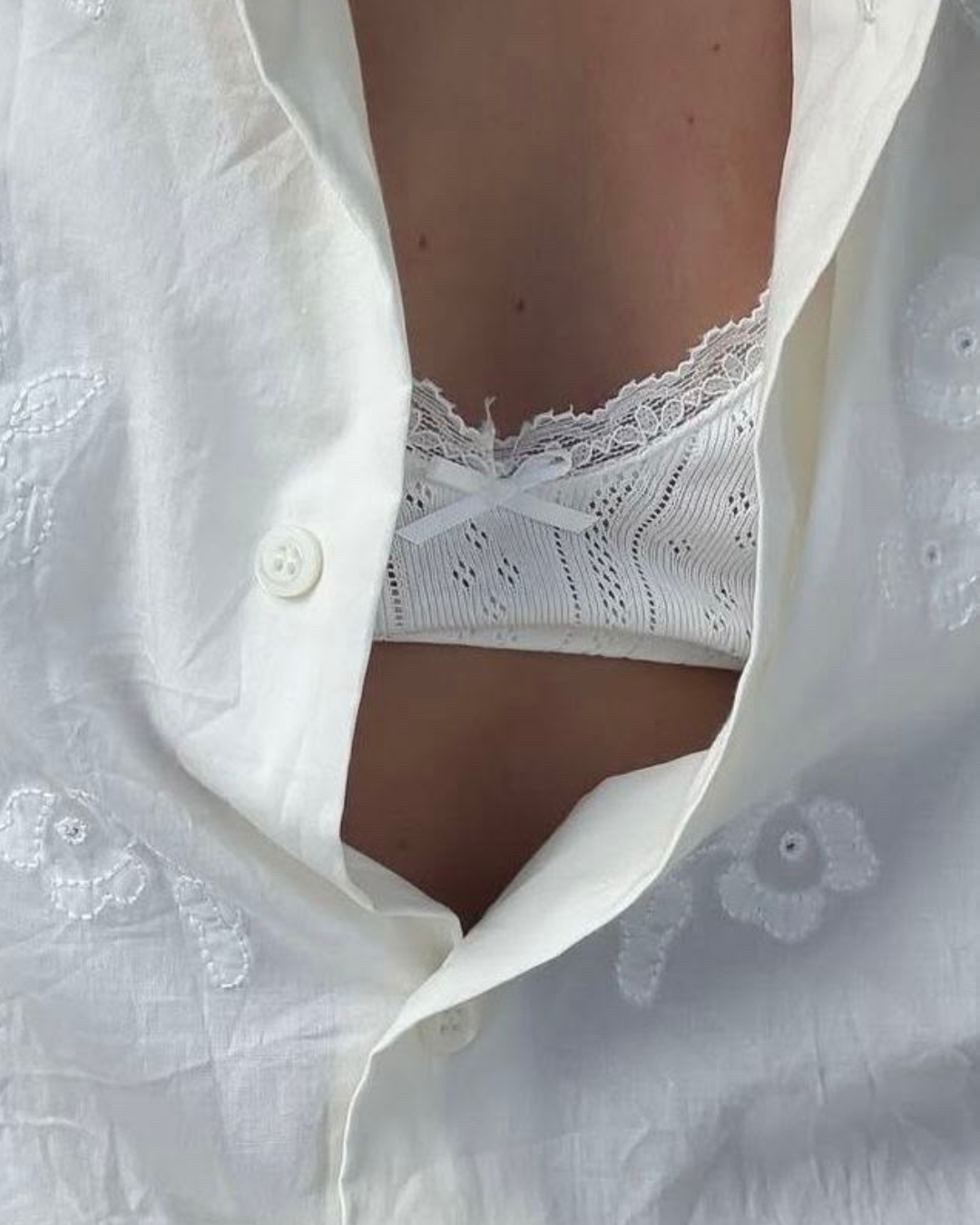
They are like Ronaldo and Messi of summer wardrobes. If Ronaldo and Messi were breathable, highly absorbent and hypoallergenic. They are absolute must-haves if you experience at least a little heat during summer. Their heat-regulating qualities allow them to support you during all seasons, actually. Cotton helps you to regulate body temperature, while being incredibly lightweight and easy to wear. Doesn’t matter if it’s pure or mixed. Cotton will make sure you get the most wear out of any item. Linen is incredibly similar in function, yet it has a distinctive difference in appearance and some care quirks.
Cotton isn’t too fussy care-wise. You’d have to be very determined to destroy a cotton T-shirt. However, it’s still best to follow instructions on the care label, so your clothes can have a longer and happier life. Generally, cotton prefers lower temperatures (30°C) and a mild detergent. It’s best to air-dry away from direct sunlight to preserve colour and integrity of the fabric. The best tips are: turn all the garments inside out when washing, and do not overload the machine. That way you prevent colour from fading out and any pilling of the fabric. There are cases which require you to use 40°C or 60°C. However, it is always best to follow the care label.
There are different types of cotton: recycled, regular and organically farmed. Recycled cotton is made from reused cotton fibres from already existing clothing. Organically farmed one is a more sustainable option, since it uses less water. It’s entirely up to you to choose any option that seems best for your wardrobe.
Linen is fairly similar to cotton due to the same plant-based origin. However, it can be slightly more fragile, so avoid washing it with rough materials, as they can damage the fibres. Be aware of specific blends or tailored items, as they are sometimes dry-clean only. Since linen is highly creasable, it’s entirely okay to iron or steam it for a crisp look. But it’s better to avoid keeping linen in direct sunlight or storing it tightly folded. It’s best to use a delicate/hand-wash setting and cool water (30°C) in the washing machine to prevent shrinkage or colour-fading.
Animal-Based Fabrics: Wool & Silk
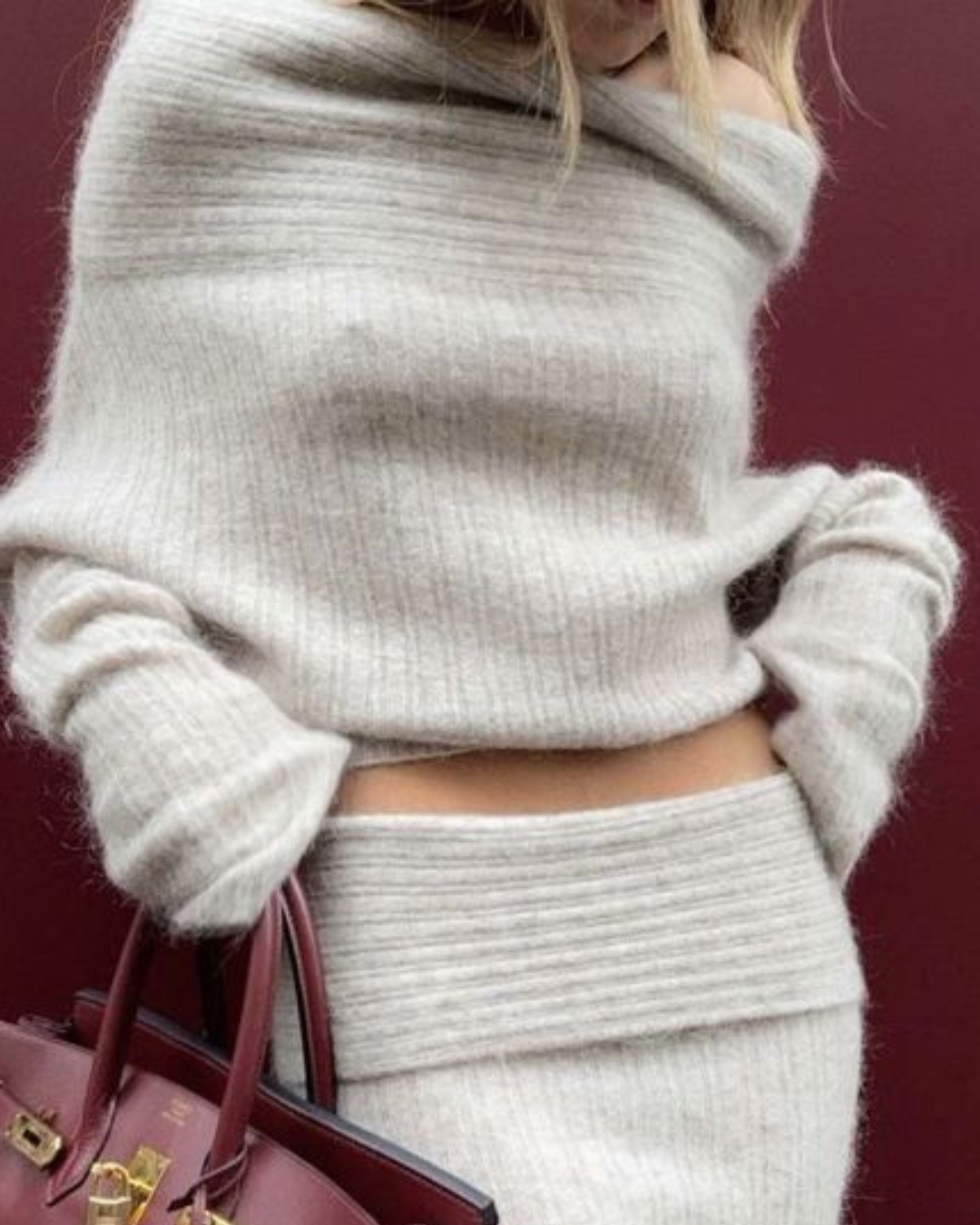
Wool is a big category of fabrics that includes cashmere, merino, alpaca and mohair. And to be honest, it doesn’t actually complicate the care, since most wool items are self-cleaning. Wool is also naturally odour-resistant, which makes it perfect for unpredictable autumn and spring. However, the type of wool does matter occasion and temperature-wise. It can also depend on your skin sensitivity.
Merino wool is an ultra-fine fabric, which makes it perfect for layering during winter and wearing on its own on colder spring or autumn days. Wearing a black wool turtleneck, but see-through? Sexy. It’s very durable but does require gentleness. Wash it with cool water and use the hand-wash setting. That way it’s going to make you feel warm for years.
Cashmere is like the touch of an angel because it’s exceptionally lightweight and soft. The fibres are extremely fine, making it strong, warm and breathable. If you have sensitive skin, I would highly recommend investing in a jumper or two. However, it’s very risky to wash. Due to its fragility, airing it out or steaming it would be the best decision. Spot clean if needed. Be careful with hanging it, the shoulders can stretch out. For the best preservation, gently fold it.
Alpaca has long and fine fibres that create a fluffy appearance. It’s also very soft, but maybe a bit heavier to wear. Alpaca wool is 6 times warmer than regular wool, which makes it your best friend during the coldest days. The care for alpaca is identical to that of cashmere. I’d additionally brush it with soft bristles to realign fibres.
Mohair has thick, shiny fibres. It’s definitely harder to wear because of the itchiness. Keep it in mind when choosing a jumper. Alpaca and Mohair are identical care-wise.

Silk is a natural protein fibre, typically sourced from silkworms. This fabric is also very needy and fussy. Silk requires a lot of care, since the fibres are extremely fragile. I’d recommend dry-cleaning it and hanging it on padded hangers, so it doesn’t stretch out. However, if you’re determined to wash it yourself, then do it by hand and use cool water. It’s best to use a pH-neutral and gentle detergent and wash inside out. You can even do a patch test to make sure the colour won’t bleed in water.
Leather is sort of self-explanatory. Do not wash it, and try to avoid contact with water. Especially if it’s suede. Additionally, I recommend that you find sprays that help preserve the leather quality and colour.
Artificial Plant Fabrics

Viscose is made from cellulose derived from wood pulp. It has a shiny appearance that mimics silk. It’s breathable and highly absorbent, which makes it comfortable during summertime. The best way to wash it is in cold water at 20°C and on a delicate cycle for your washing machine. Try to avoid twisting or tumble-drying it, as it can damage the fabric. If you want to iron it, try using the lowest heat possible. Otherwise, steaming is recommended.
Modal is a stretchier alternative to viscose. It’s actually derived from it. Therefore, you can use the same instructions for both of them. The model can be a bit more comfortable to wear at home, due to its durability and lightness.
Lyocell is also made of cellulose from wood. It’s the most tolerable version for sensitive skin in this category. Care-wise, it’s very similar since it requires a delicate setting and cool water. It can be ironed or steamed, and the best way to do it is inside out. It also loses strength when wet, so try to avoid tumble drying or twisting the fabric.
Synthetic Fabrics
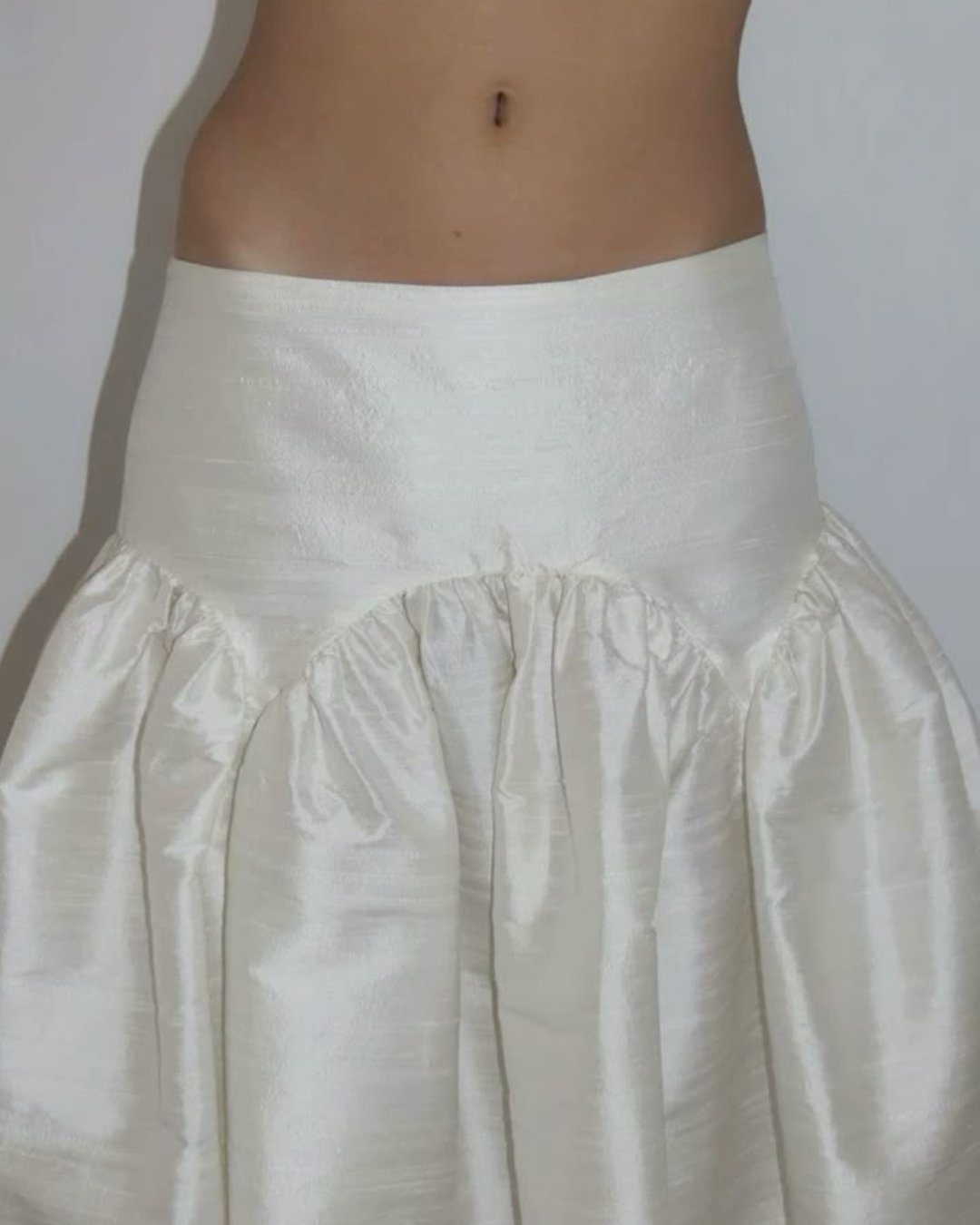
This category includes: polyamide, polyester, acrylic and elastane. There’s a lot of talk about synthetic fabrics, which makes people wary about purchasing them. However, when combined with natural fibres like wool or silk, they can improve stability and make caring for it easier. They also make it possible for some pieces to hold the intended shape. They help us create volume and make outfits fun. So don’t be so quick to dismiss them.
While they are great in moderation and in blends, synthetic fabrics are not the best at temperature control and breathability. They can be a bit suffocating during heatwaves and will not hold body heat in winter. A low-quality fabric will not be very durable and might irritate the skin when combined with sweat. Synthetics also trap body oils. Therefore, it is harder to get rid of any unwanted odours. While they do provide the stretch to our athleisure wear, try to opt for high-quality production to avoid any possible skin irritation.
Caring for them is not a complicated affair. Use cool water (our favourite 30°C) and avoid tumble dryers entirely. The heat can weaken or even melt synthetic fabrics and destroy elastic bands. So aim for air drying, and don’t iron it unless absolutely necessary.
General Tips
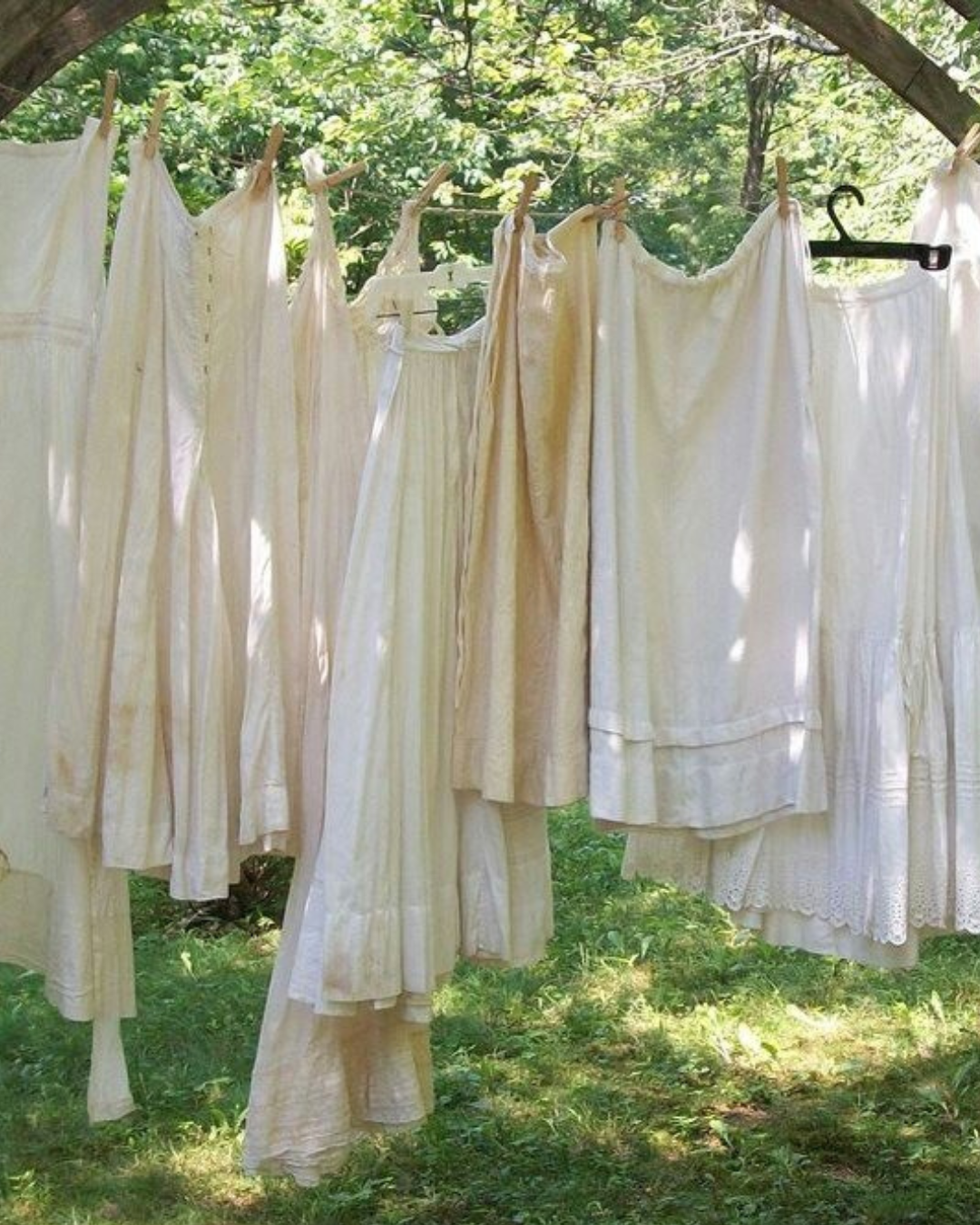
Try washing most of your clothes inside out for better fabric preservation.
You can group clothes for laundry by similar colour and fabric, which lowers the chance of an unhappy accident.
Steaming is the safest procedure possible to remove creasing or refresh an item without washing it (except for leather).
If you don’t have a steamer, hang the piece you want to steam on the bathroom door or under a shower, and turn on the hot water. It’s the most accurate alternative to a steamer. Alternatively, you can do the same while taking a shower.
If you’re unsure how to wash the clothes, look at the care labels and look up the symbols if unfamiliar. Additionally, when purchasing an item, consult the sales adviser, as they usually know the garment details in depth.
If you want to get rid of creases quickly, spray the garment with water and hang it for 3-5 minutes (avoid doing so with wool and silk).
What’s in Vogue?

I’m not going to lie and tell you that natural fibres are ever going out of style. However, more and more premium and even some luxury brands are using artificial plant fabrics. Prices for natural fibres have been increasing significantly over the last few years. So it becomes harder to avoid synthetics and other artificial materials. But as we figured out today, there’s nothing scary about going non-natural. With the right care, these pieces are going to serve you for multiple seasons.
Of course, if you have an opportunity, invest in high-quality materials like cashmere and linen. The greatest thing about natural fibres isn’t even a luxurious feel, it’s the automatic temperature control and odour resistance. I’m especially fond of brushed cashmere, as it serves as a jumper, a blanket and a scarf sometimes.
Last season, we saw a lot of suede in accessories, outerwear and even everyday wear. This autumn, I feel patent leather taking over the crowning place. If you have an opportunity, take a look at bags and jackets of deep, rich colours.
Linen propaganda is a seasonal mass weapon. Every year, around April, we see all the brands taking out their stocks and producing more. However, the form and styling of the material change with different trends. In the last couple of years, we saw an “old money” craze taking over the world. A very clean and complex interpretation of the fabric. This year, it becomes a bit less pretentious and grows into its natural creased mess. It’s relaxed and even sleazy and sexy at times. So relax, and don’t put too much pressure on steaming it.
Cotton stays with us till the very end of times, I believe. It’s timeless, comfortable and you can turn it into pretty much anything. During summer, aim for pure cotton instead of blends to help your skin deal with heat.
Silk is always great. Except maybe when you’re sweating. All shapes and forms are acceptable, but I love the sheer silk pieces rather than satin-y ones. The thinner the fabric, the hotter. Don’t be afraid to show everything. At the end of the day, you’re covered in silk, so who’s complaining?
And as always, most importantly, wear something you truly love.