If you told me a few years ago that one day we’d be deliberately puncturing our faces in the name of better skin, I’d probably have asked whether we’d all lost the plot. Yet here we are, with microneedling appointments becoming part of the conversation around skin texture, acne scars and collagen. What makes the treatment interesting isn’t just the needles themselves, but the science behind the skin’s healing process. Of course, there’s a difference between a treatment that sounds impressive on social media and one that’s actually worth your time, money and recovery days.
What exactly is microneedling, and what is it supposed to do?
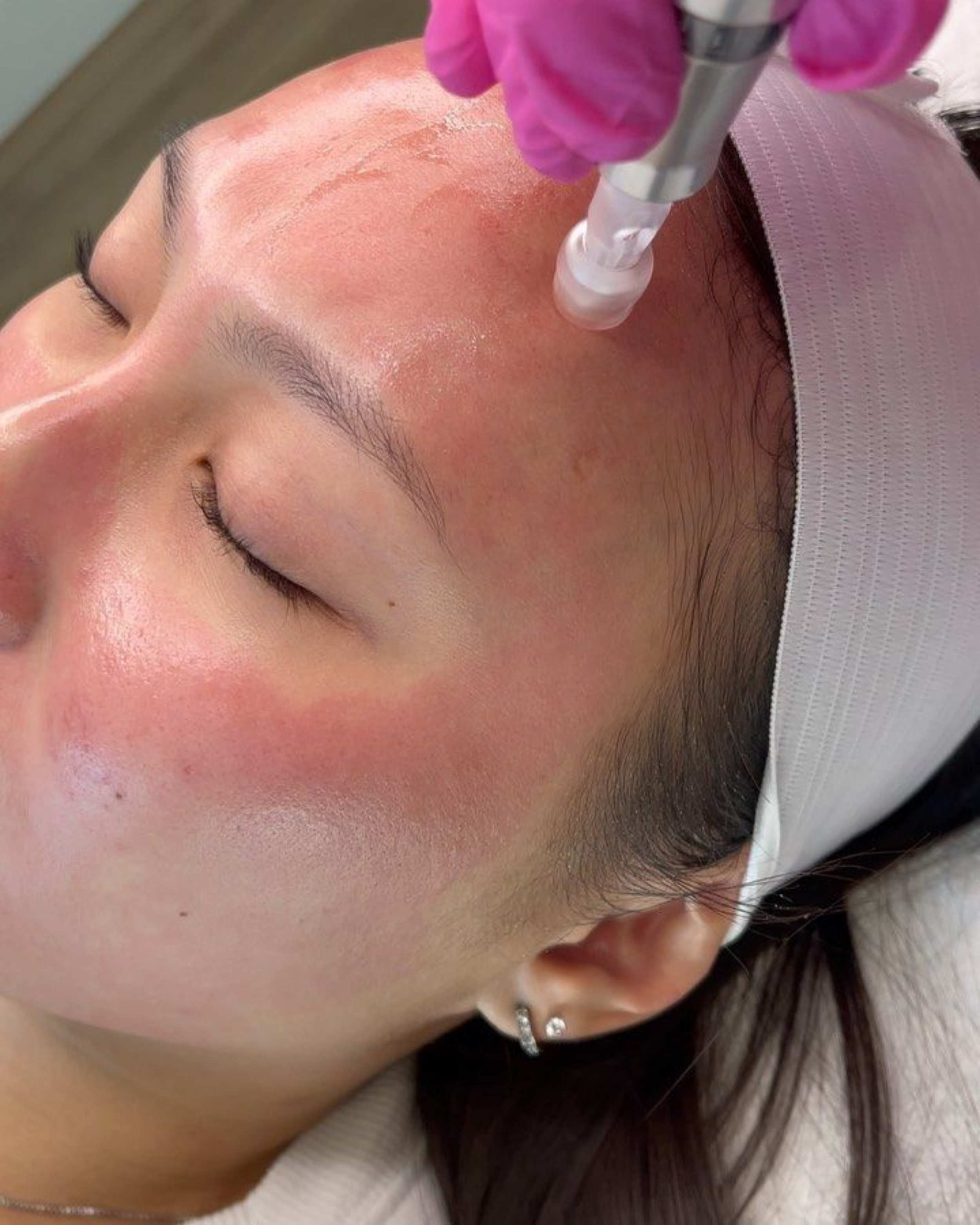
Microneedling involves using a device with very fine needles to create tiny, controlled punctures in the skin. This triggers the body’s natural healing response and encourages collagen production, which helps support the skin’s structure. It’s commonly used to improve certain acne scars, uneven texture and fine lines.
Think of it this way: if your main concern is a few stubborn acne scars that have been hanging around long after the breakouts themselves have disappeared, microneedling might be worth discussing with a dermatologist. The aim is to gradually improve the appearance of the skin, rather than simply exfoliating its surface.
But let’s clear something up. It isn’t a treatment for every skin concern. It won’t magically prevent future breakouts, erase every dark spot or give you permanently poreless skin. If active acne, pigmentation or another skin condition is your main concern, the first step is working out what you’re actually treating.
Finding the right person matters more than finding the right deal
This is probably the least exciting part of the process, but it’s also one of the most important. Before booking, look for a suitably qualified medical professional with specific experience in microneedling. Depending on where you live, the rules governing who can perform the procedure may differ, so check the practitioner’s qualifications and local requirements.
Don’t be shy about asking questions. What device do they use? Is it appropriate for your skin concern? What results can you realistically expect? How many sessions might you need? What are the risks, and what will the aftercare involve?
I’d also want to know about hygiene. Professional microneedling should involve appropriate infection-control procedures and a sterile, single-use needle cartridge. If someone brushes off your questions or promises flawless skin after one session, I’d take that as a reason to look elsewhere.
A proper consultation should feel like a conversation about your skin, not a sales pitch. Your medical history, current skincare products, tendency to develop pigmentation and whether you have active breakouts can all affect whether the treatment is suitable.
So, what happens during an appointment?
The process is fairly straightforward, although the exact steps depend on the practitioner and the treatment being performed.
First, the skin is cleansed thoroughly. A topical numbing cream may be applied and left on for around 20 to 45 minutes, depending on the product and the clinic’s protocol. The practitioner then uses a motorised microneedling device across the agreed treatment areas, adjusting the technique to suit your skin and the concern being addressed.
The sensation varies. Some people describe it as a prickling or scratching feeling, while others find certain areas more uncomfortable. Redness is common afterwards, and some treatments can cause pinpoint bleeding. The aim is controlled treatment, not maximum discomfort, so more pain doesn’t mean better results.
The appointment itself may take around 30 to 60 minutes, although consultation and numbing can add to the overall time. Your practitioner should explain what to expect before starting, rather than leaving you to discover everything as you go along.
The recovery period: what should you expect?
Here’s where planning ahead helps. Immediately after microneedling, your face may look red and feel warm, tight or sensitive, a little like mild sunburn. Some swelling can occur, and your skin may feel dry or rough over the following days.
For many people, the more obvious redness improves within one to three days after a routine professional treatment, although deeper treatments can take longer to settle. Dryness and sensitivity may persist beyond that. Your recovery depends on the treatment depth, your skin and how it responds, so don’t assume everyone will be ready to return to normal skincare the following morning.
For the first few days, keep your routine simple and follow the practitioner’s specific aftercare instructions. Use a gentle cleanser and a moisturiser your skin tolerates well. Avoid exfoliating acids, retinoids and other potentially irritating products until your skin has recovered and your practitioner advises you to restart them. Follow their guidance about sun protection, too, and avoid picking at peeling skin.
I’d also leave some breathing room between the appointment and any important plans. Even if your skin settles quickly, you don’t want to be worrying about unexpected redness before a wedding or a big event.
If you develop worsening pain, increasing redness, significant swelling, pus or other signs of infection, seek medical advice promptly rather than assuming it’s a normal part of healing.
When will you actually see results?
This is where patience becomes important. Microneedling stimulates a process that takes time, so improvements in certain acne scars and uneven texture generally develop over weeks to months rather than overnight.
Several sessions may be recommended, often spaced several weeks apart. The number depends on your skin concern, the treatment plan and how your skin responds. That also means the overall cost can be considerably higher than the price of a single appointment.
I’d be wary of judging the treatment by an immediate post-facial glow, too. Temporary redness and changes in skin hydration can affect how your complexion looks, but lasting improvements in scarring need time to develop. Ask your practitioner how progress will be assessed and when it makes sense to compare results.
And remember, microneedling isn’t suitable for everyone. Active, inflamed acne, skin infections, certain skin conditions and a tendency to develop raised scars can increase the risks. If you’re prone to pigmentation, discuss that before treatment, as irritation can sometimes leave darker marks.
Is it actually worth it?
I can see why microneedling appeals to people who have tried countless products and still feel frustrated by acne scars or uneven texture. It offers a different approach, and for the right person, professional treatment may make a meaningful difference.
But I’d want to go into it understanding both sides: the potential improvement and the time, money and recovery involved. It’s not a quick fix, and it’s certainly not something you need to do simply because it’s popular.
What matters most is whether it makes sense for your skin, whether you’re comfortable with the risks and whether your expectations are realistic. If you’re considering it, start with a proper consultation rather than buying a device and trying to recreate the treatment at home.
Because, honestly, there are already enough things to worry about when it comes to skincare. The last thing you need is to turn your face into another experiment without knowing exactly what you’re doing.